







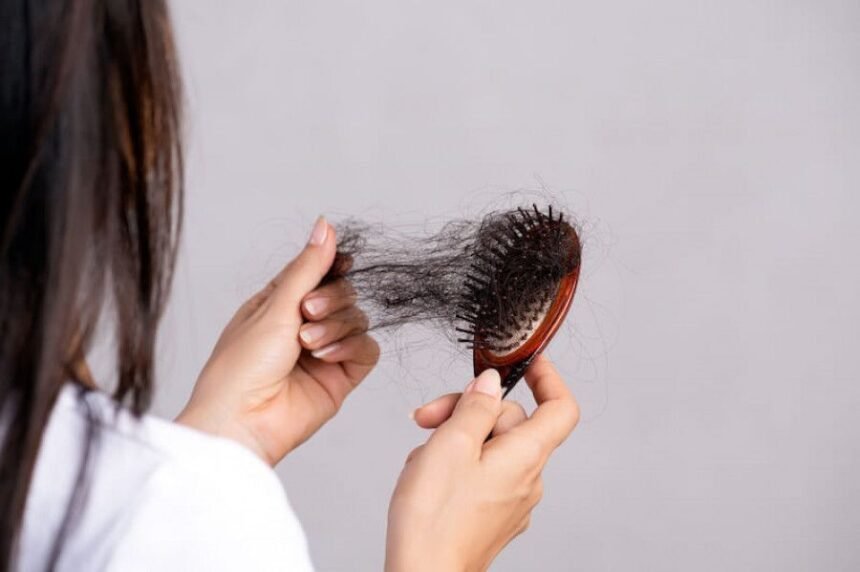
Looking in the mirror, you suddenly notice that your hair isn’t as thick as it once was. “The pony tail isn’t so thick anymore, the part in my hair looks wider, and I can see gray patches in my hair at the temples.” This doesn’t happen overnight, but rather the result of years of accumulated habit showing up on your scalp.
After the age of 40, the levels of estrogen and growth hormones in the human body begin to reduce. Both of these hormones work toward extending the life cycle of your hair.
When these are not in an appropriate amount, hair falls at a faster rate and turns grey. Along with this, a lack of sleep, stress, issues like thyroid, and a deficiency in nutritious food make hair roots weaker. But the good part is that this is not a permanent condition. With a balanced lifestyle and some easy steps, things start working in favor, and one can notice a difference in 90 days.
Start with Diet
Hair is like a robust cable made of proteins and minerals. The action of inner nutrition is more effective compared to external oiling. Follow these dietary switches:
- Protein – This should be included in each meal. Get it from paneer, eggs, and/or lentils or sprouts.
- Iron & Vitamin C – Iron is absorbed only when taken with Vitamin C. Apply lemon juice to spinach or have guava.
- Zinc and Biotin – Taking two teaspoons of pumpkin seeds daily or eating a platefull of roasted chickpeas.
- Omega-3 – One spoon of flaxseed powder or two walnuts every day.
- Copper – Kidney beans, cashew nuts, and sesame seeds for hair color maintenance.
Important Note: If your Blood Test results show Ferritin (Iron Storage) levels to be less than 30 µg/L or Vitamin D levels below 30 ng/mL, then it would be very hard to see results by this diet plan by itself. Do not hesitate to consult your
Twice a week, perform squats, push-ups, or use resistant bands. Your body will release the IGF-1 hormone. It will strengthen the roots of the hair. Do squats, push ups, and/or resistance bands two times a week. This will trigger the secretion of the IGF-1 hormone, which will result in stronger hair roots. These lifestyle modifications will also prove essential
- 7 hours of sleep – Growth hormone released during the night holds the hair in a growing stage.
- 2 liters of water every day – Dehydration robs hair of luster; therefore, hydrate
- Stress control – Stress can be managed using techniques such as box breathing. Stress leads to the production of excessive amounts of cortisol in the body, which in
Strength training
The activities include squats, push-ups, or the use of resistance bands practiced two days per week. This stimulates the hormone IGF-1, which causes thickening of 6 minutes of yoga routine + circulation routine If more oxygen and nourishment are to reach your hair, follow this daily routine in the morning and afternoon:
- Neck Drop Over the Bed (30 seconds)– Direct blood flow to the head.
- Downward Facing Dog (40 seconds) Inversion promotes blood flow to the follicles.
- Camel Pose (30 seconds, two repetitions)– Stretches the chest while providing more blood flow to the arteries in the neck.
- Shoulder Stand (30 seconds) – Entire body is inverted. (Not recommended for people with BP or glaucoma).
- Standing Forward Bend (30 seconds) – Breathe deeply with head lowered.
- Scalp Tapping (60 seconds)- Light drumming gets the roots going.
Are oiling and tapping really effective?
As per a 2022 study, when coconut or sesame oil was used twice a week for 30 minutes, hair fall was reduced by up to 30%. Applying oils at night does not have much effect, rather it contaminates the pillow.
Hair Fall Fact Check 9140 NW “Just because you cut hair, it doesn’t mean that hair grows faster. It just means that the ends look cleaner.” Pulling out white hair does not cause additional hair to grow; however, repetitively pulling out hair weakens the hair follicle itself Baldness doesn’t occur only due to genetic factors because diet, stress, and proper medications can all impact it Not only in men, but 40% of women also experience hair thinning by the age of 50.
This article is for informational purposes only and does not constitute medical advice. Please consult a qualified healthcare professional before making any health-related decisions.
Also Read | Is Your Body Not Ready to Exercise in the Morning in Winter? Smart Hacks That Help