






Opinion: Nepal at a Crossroads
Nepal stands at a pivotal moment not merely because of fleeting unrest but as a reflection of deeper societal shifts:
- Gen-Z as Political Force:
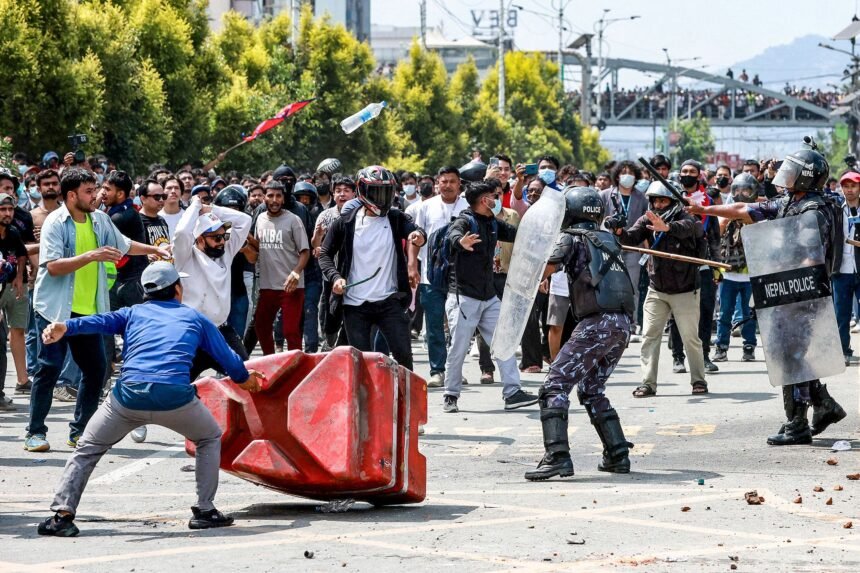
This is not just a protest sparked by restricted communication. A young generation, grappling with high unemployment and rampant corruption, rose as an assertive political voice—calling for a more transparent, accountable governance. - Beyond Social Media:
While the social media ban served as a spark, the fuel fueling this fire is far older: nepotism, lack of economic opportunity, and stagnation in political leadership. The democratic promise is at risk unless structural change follows. - The Military’s New Role:
The army’s intervention stabilized chaos—but didn’t address root grievances. For lasting peace, it must yield space for dialogue and reform, rather than govern by force. - Crisis or Crucible?
Tragic as the violence has been, Nepal’s future may depend on this being a moment of rebirth, not relapse. Pressure must now turn into policy—a new constitution, stronger institutions, and real representation for the average citizen.
Conclusion:
Nepal’s youth have voiced their discontent with courage and urgency. Now, it’s up to leaders, both civilian and military, to transform that voice into vision. The path ahead will define whether this uprising becomes a turning point or a bitter footnote.