







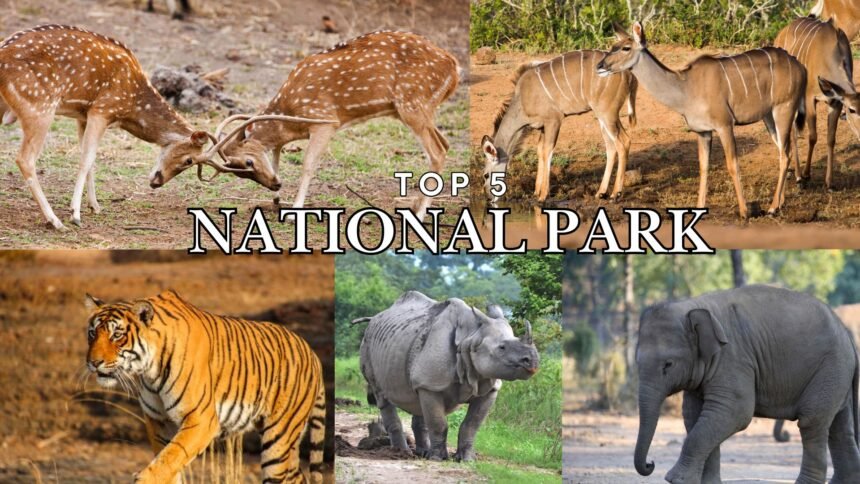
New Delhi: November stands out as the ideal month for wildlife enthusiasts to explore India’s magnificent national parks. The post-monsoon freshness, pleasant weather ranging between 10-30°C, and heightened animal activity make this month perfect for safari adventures across the country. Here are the top 5 national parks you must visit in November 2025.
Jim Corbett National Park: India’s oldest tiger reserve beckons
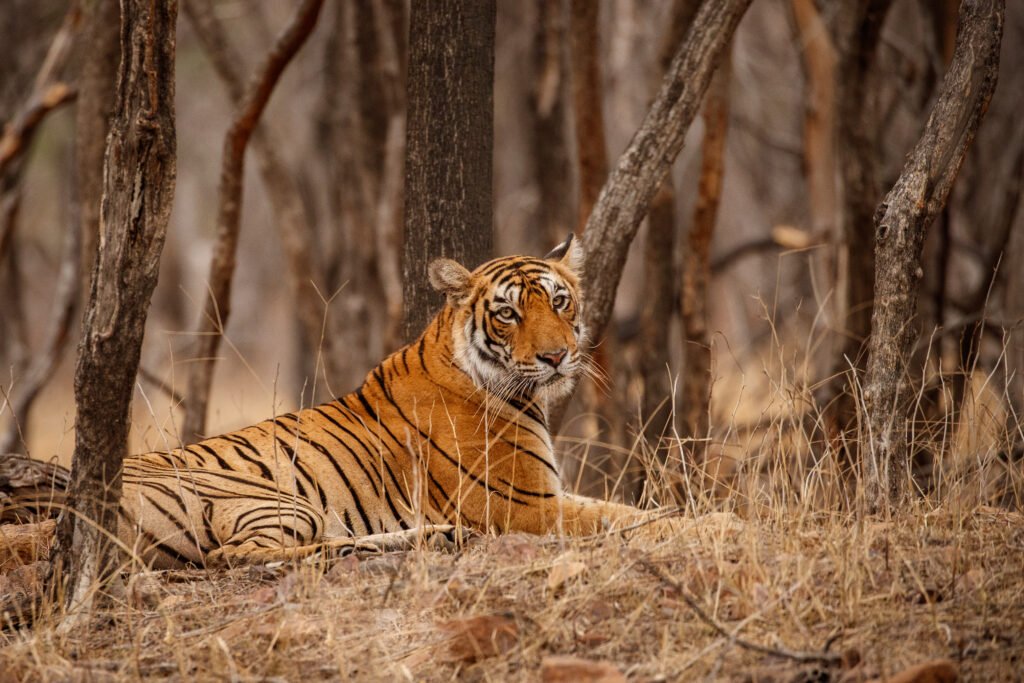
Located in Uttarakhand’s Nainital district, Jim Corbett National Park holds the distinction of being India’s first national park, established in 1936. Spanning 1,318 square kilometers, this legendary reserve is home to over 200 Bengal tigers and boasts the highest tiger density in the world. The park shelters Asian elephants (300+), leopards, sloth bears, spotted deer, sambar, and an impressive 600 bird species. The Dhikala Zone offers the unique opportunity to stay overnight inside the park.
How to reach: The nearest airport is Pantnagar at 80 km, while Delhi’s Indira Gandhi International Airport is 300 km away. Ramnagar Railway Station sits just 1 km from the park entrance, with excellent connectivity to Delhi and major cities. November temperatures hover between 10-25°C, creating perfect safari conditions. The park reopens on November 15 after monsoon closure. Book safaris exclusively through the official website corbettgov.org, where permits cost approximately ₹3,350 per jeep. Accommodation ranges from government forest lodges in Dhikala to luxury resorts like Taj Corbett and Aahana Resort (₹2,000-20,000 per night).
Ranthambore National Park: Where tigers rule in broad daylight
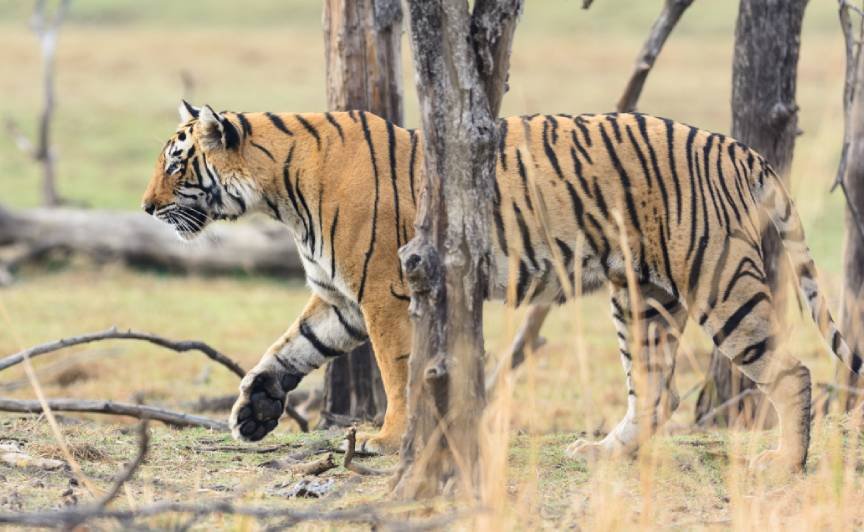
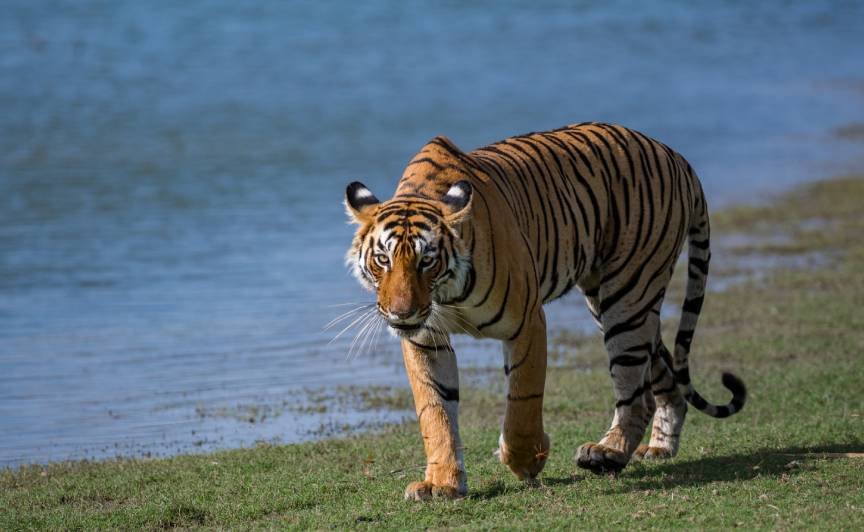
Rajasthan’s Ranthambore National Park in Sawai Madhopur district is renowned globally as one of the best places to spot Bengal tigers in daylight. With 70-80 tigers relatively habituated to safari vehicles, sighting success rates are exceptionally high. The 10th-century Ranthambore Fort, a UNESCO World Heritage Site, stands majestically within the park. The reserve also harbors leopards, sloth bears, striped hyenas, nilgai, sambar and over 270 bird species across its 10 safari zones.
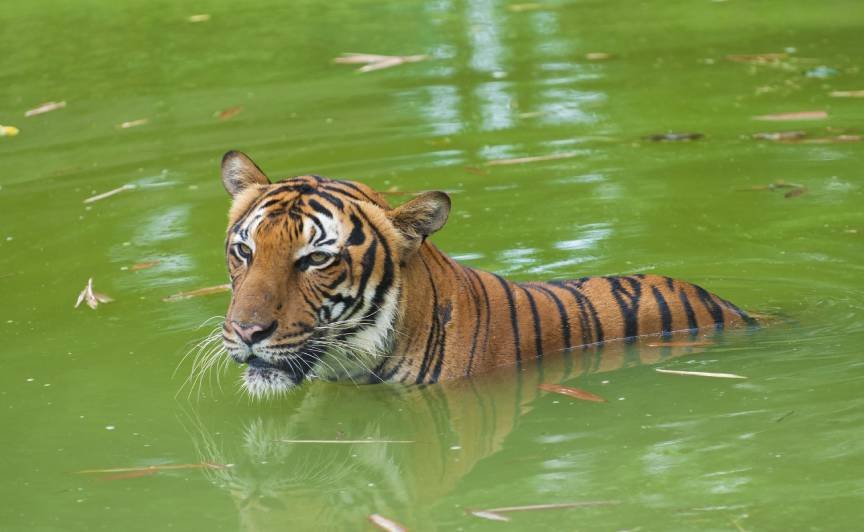
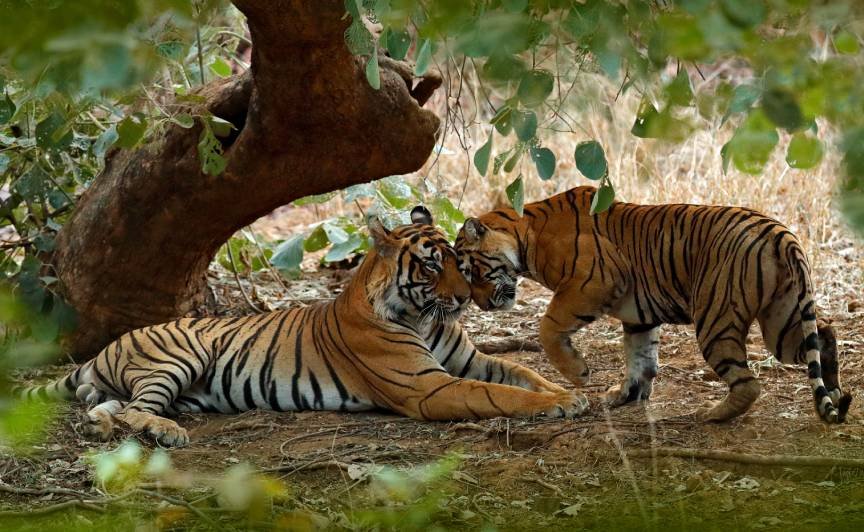
How to reach: Jaipur International Airport lies 180 km away (3-4 hours), while Sawai Madhopur Junction railway station is merely 11 km from the park with direct trains from Delhi, Mumbai, and Jaipur. November weather remains pleasant with temperatures between 10-30°C. Book safaris through fmdss.forest.rajasthan.gov.in well in advance, as permits sell out quickly. Safari costs approximately ₹1,200-2,000 per person. Accommodation options span from ultra-luxury properties like The Oberoi Vanyavilas and Aman-i-Khas to budget hotels in Sawai Madhopur (₹1,500-50,000 per night).
Kaziranga National Park: The one-horned rhino sanctuary
Assam’s Kaziranga National Park, a UNESCO World Heritage Site, protects 70% of the world’s one-horned rhinoceros population with over 2,613 individuals. This conservation success story also shelters approximately 120 Bengal tigers (one of the highest tiger densities at 32.64 per 100 sq km), large elephant herds, wild water buffalo, and 500+ bird species. The park recorded a historic 406,564 visitors in the 2024-25 season, making it one of India’s most visited wildlife destinations.

How to reach: Jorhat Airport is 97 km away, while Guwahati’s Lokpriya Gopinath Bordoloi International Airport is 217 km distant. Furkating Junction railway station (75 km) and Jakhalabandha station (20 km) serve the park. November weather is delightful (10-25°C) with lush post-monsoon landscapes. The park reopened for the 2025-26 season on October 1, with elephant safaris resuming November 1. Book through kaziranga.nptr.in for jeep safaris across four zones (Kohora, Bagori, Agaratoli, Burapahar). New cycling tracks and hiking trails were introduced in 2024-25. Accommodation includes luxury options like Diphlu River Lodge and Iora – The Retreat, mid-range resorts, and budget guesthouses in Kohora (₹1,500-25,000 per night).
Bandhavgarh National Park: The world’s highest tiger density
Madhya Pradesh’s Bandhavgarh National Park in Umaria district boasts the world’s highest tiger density with 135-170 tigers in a relatively compact area. This former hunting ground of the Maharaja of Rewa is the birthplace of all white tigers globally. The ancient 2,000-year-old Bandhavgarh Fort dominates the landscape. Besides tigers, the park shelters 80+ leopards, sloth bears, 170 gaurs (Indian bison), and 260 bird species.
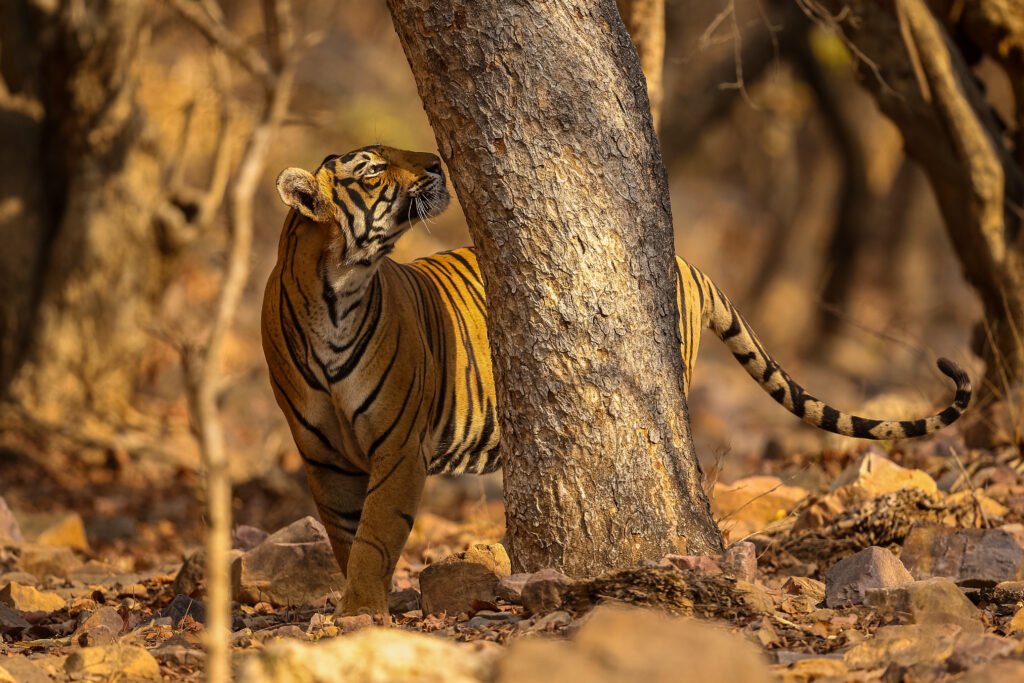
How to reach: Jabalpur Airport is 160 km away, while Umaria Railway Station is just 22 km from the park. November temperatures range between 14-30°C, ideal for safari activities. The Tala Zone offers the best tiger sighting opportunities with nearly 60-70% success rates. Book safaris 120 days in advance through the official MP Forest Department website. Accommodation includes luxury properties like Mahua Kothi by Taj Safari (₹16,000+), mid-range resorts like Lemon Tree Wildlife Resort (₹3,000-8,000), and budget options (₹2,000-5,000 per night).
Kanha National Park: The Jungle Book comes alive
Spread across 940 square kilometers in Madhya Pradesh’s Mandla and Balaghat districts, Kanha National Park inspired Rudyard Kipling’s legendary “The Jungle Book.” This pristine reserve features Bengal tigers, leopards, the rescued barasingha (swamp deer) species, dholes (Indian wild dogs), and magnificent sal forests with sprawling meadows. The park’s natural beauty reaches its peak in November.
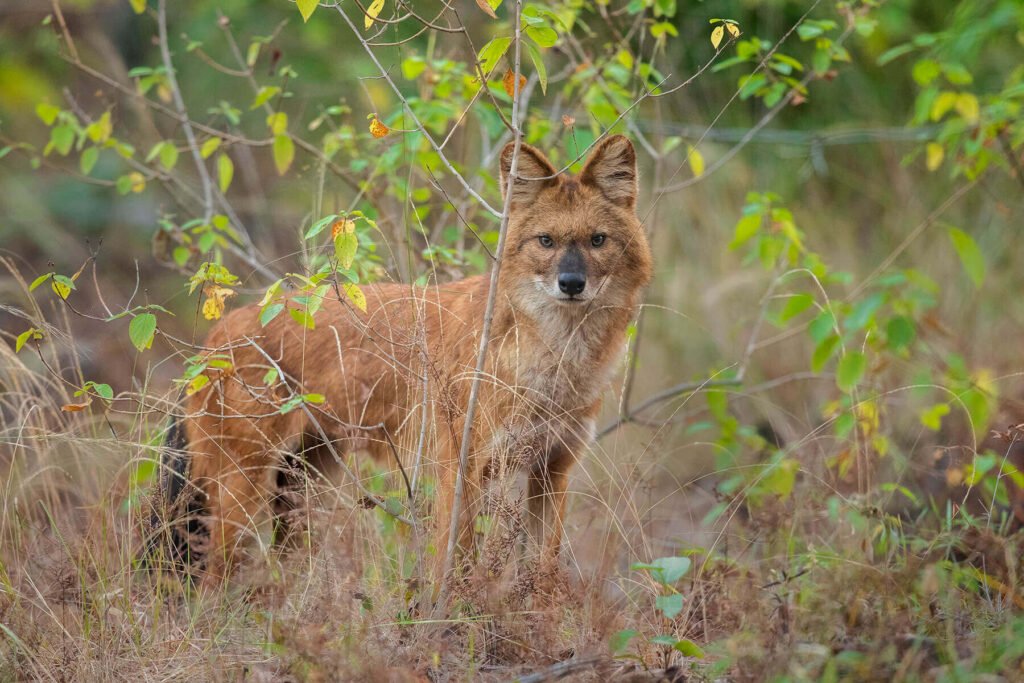
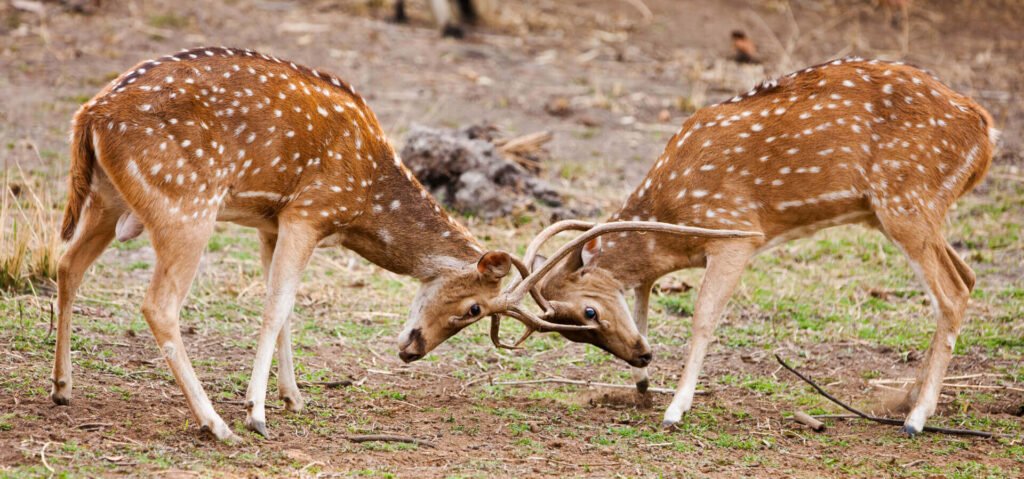
How to reach: Jabalpur Airport (160 km) and Nagpur Airport (266 km) are the nearest. Jabalpur and Gondia serve as major railway stations. November offers pleasant weather (10-28°C) perfect for exploring the park’s diverse landscapes and spotting its diverse wildlife.
Why November is the perfect wildlife month
November emerges as the optimal time for Indian national park visits due to several compelling reasons. Post-monsoon landscapes remain lush and green, yet vegetation begins thinning slightly, improving wildlife visibility. Temperature ranges (10-30°C across parks) remain comfortable for all-day safari activities, avoiding both summer’s scorching heat (45°C in May) and winter’s dense fog in December-January.
Wildlife becomes more active in pleasant temperatures, with animals venturing out during daytime hours. Migratory birds arrive from colder regions, adding to the resident 200-500 bird species in each park. Water bodies remain full from recent rains, creating picturesque landscapes, though animals aren’t yet concentrated at limited water sources as in summer months.
Parks reopen in mid-October after monsoon closure (July-September), making November the beginning of peak season with better permit availability than December-January rush. Clear skies provide excellent photography conditions with crisp images and good natural lighting. Morning safaris offer the best wildlife viewing opportunities, especially for tiger sightings.
Essential booking and travel information
All parks require advance online booking through official government websites only. Safari permits should be booked 90-120 days prior to avoid disappointment during peak season. Valid photo identification is mandatory for all visitors. Most parks operate morning safaris (typically 5:30-10:30 AM) and afternoon safaris (2:30-6 PM), with trained guides provided by forest departments.
India now has 107 national parks as of 2025, with enhanced conservation efforts showing remarkable results – tiger population grew from 1,411 in 2006 to 3,167 in 2022. Enhanced anti-poaching measures, GPS tracking, and community-based conservation programs have strengthened wildlife protection across all major parks.
For November 2025 visits, pack warm layers for chilly mornings, light clothing for pleasant afternoons, binoculars, cameras with zoom lenses, and comfortable walking shoes. Avoid peak season crowds by booking early and planning weekday visits when possible. November truly offers the sweet spot for experiencing India’s incredible wildlife heritage at its finest.
Also Read | Spiti Valley Declared India’s First Cold Desert Biosphere Reserve Under UNESCO’s MAB Programme