





New Delhi: When winter arrives, most people assume that Himalayan treks become inaccessible. However, the reality is quite different some treks are at their most beautiful during the cold months. Between December and February, Kedarkantha, Brahmatal, Kuari Pass, Chopta Chandrashila and Sandakphu emerge as India’s premier winter trekking destinations, offering guaranteed snow coverage, beginner-friendly trails and spectacular mountain panoramas.
Kedarkantha: India’s Winter Trek Queen
Located in Uttarakhand’s Uttarkashi District, Kedarkantha is celebrated as the “Queen of Winter Treks.” Reaching an altitude of 12,500 feet this trek provides 360-degree panoramic views of Mt. Swargarohini, Bandarpoonch and the Gangotri ranges.
Starting from Sankri village this 5-6 day trek covers 20 kilometers with gradual elevation gain. The jewel of the route is Juda Ka Talab an alpine lake at 9,100 feet that completely freezes in winter, allowing trekkers to walk on its surface. January brings the heaviest snowfall with nighttime temperatures plunging to -10°C.
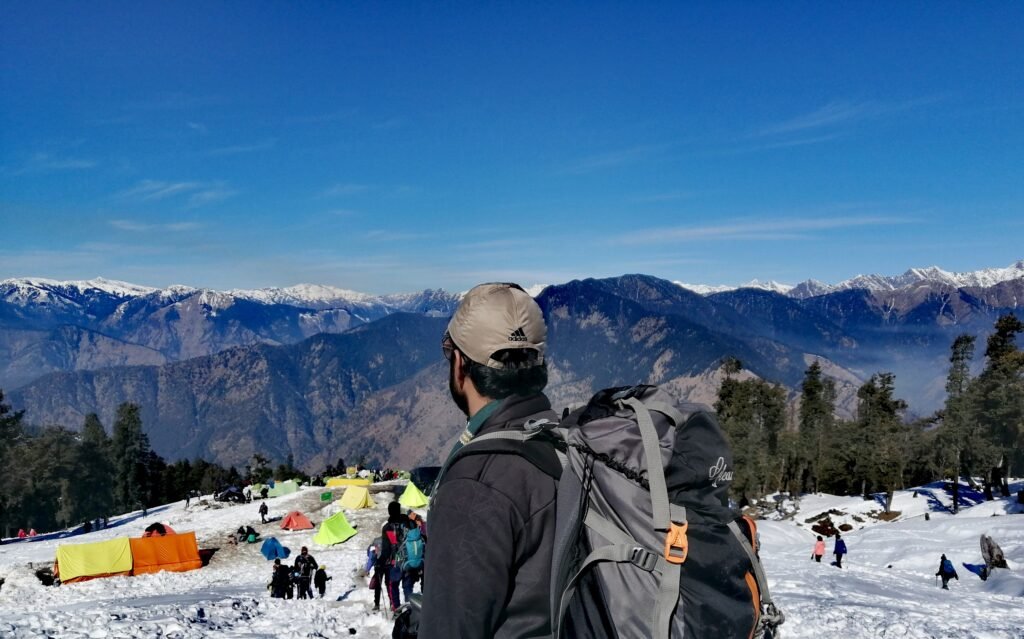
Expert trekkers note that Kedarkantha’s uniqueness lies in its accessibility when other Himalayan peaks close due to heavy snow. “It’s perfect for first-time winter trekkers,” explains a trek organizer. The trek offers a true summit experience without technical climbing, featuring some of the most beautiful campsites in the Himalayas.
Brahmatal: Magic of Two Frozen Lakes
In Uttarakhand’s Chamoli District, Brahmatal Trek is famous for its two frozen lakes Bekaltal and Brahmatal. This 6-day trek spans 24 kilometers and reaches 12,250 feet.
The trek’s specialty is the exceptionally close views of Mt. Trishul (23,490 feet) and Mt. Nanda Ghunti. In January, snow depth ranges from knee-deep to three feet. Daytime temperatures hover between 5-10°C while nighttime temperatures drop to -5 to -15°C.

Brahmatal’s unique ridge walks offer aerial perspectives of the entire Roopkund trek route, making it extra special. Ancient oak and rhododendron forests create magical “Narnia-like” atmospheres under winter snow, with cathedral-like canopies that enhance the trekking experience.
Kuari Pass: The Historic Curzon Trail
Known as the Lord Curzon Trail, this trek has been famous since 1905. The Kuari Pass Trek covers 27-28 kilometers in 6 days and offers views of 20-22 major Himalayan peaks including Nanda Devi, Kamet, Trishul and Chaukhamba.
The trek reaches 12,516 feet and starts from Joshimath. The famous Gorson Bugyal meadows along the route transform into sparkling white carpets in winter. December through February guarantees snow coverage, with temperatures ranging from 5-15°C during the day to -5 to -15°C at night.

The trek’s distinction comes from its rich heritage over 100 years of trekking history. Located within the UNESCO World Heritage Nanda Devi Biosphere Reserve, it passes near Auli, Asia’s premier ski resort allowing for combination adventures.
Chopta Chandrashila: Perfect Weekend Trek
For a weekend trek from Delhi, Chopta Chandrashila is ideal. This 3-4 day short trek covers just 7-10 kilometers but leads to the world’s highest Shiva temple, Tungnath (12,073 feet) and Chandrashila summit (13,000 feet).
Starting from Chopta, nicknamed “Mini Switzerland of Uttarakhand,” the trek provides spectacular 360-degree views where Nanda Devi, Trishul, Chaukhamba and several other peaks are visible. February sees maximum snow accumulation making this trek perfect for families and beginners.

Tungnath Temple, built by the Pandavas 1,000 years ago is part of the sacred Panch Kedar circuit. Sunrise is particularly spectacular when the first rays touch Chaukhamba while emerging from behind Nanda Devi, painting the snowy peaks in gold, pink and orange hues.
Sandakphu: Four 8000m Peaks in One View
West Bengal’s highest peak, Sandakphu (11,930 feet), is India’s unique trek because it offers tea house accommodation in Nepali style. This 6-7 day trek covers 65-68 kilometers.
The biggest highlight is the view of the world’s four highest peaks Everest, Kanchenjunga, Lhotse, and Makalu simultaneously. The famous “Sleeping Buddha” formation where Kanchenjunga peaks resemble Buddha’s shape is a natural wonder.

Unlike Uttarakhand treks, Sandakphu experiences mild to moderate snowfall, ideal for beginners. Tea houses provide warm meals, comfortable beds and authentic Gorkha culture, offering a better option than camping.
Walking along the Singalila Ridge, the trek constantly crosses the India-Nepal border. Rich biodiversity includes Red Panda sightings, rare Himalayan Monal birds, and spring rhododendron explosions that create stunning natural displays.
Trek Selection Guide
Experts recommend:
- First-time winter trekkers: Kedarkantha or Chopta Chandrashila
- Mountain photography enthusiasts: Brahmatal
- History buffs: Kuari Pass
- Comfort seekers: Sandakphu
- Weekend warriors: Chopta Chandrashila
Essential preparation includes cardiovascular training (ability to jog 4.5-5 kilometers in under 40 minutes), proper winter gear (crampons, gaiters, down jackets) and sleeping bags rated to -15°C. All three months December, January and February guarantee snow, but January brings the heaviest snowfall.
Difficulty ratings span easy-moderate, with all treks suitable for fit beginners. However, proper acclimatization is crucial. Daytime temperatures remain manageable (5-15°C) while nighttime temperatures consistently drop below freezing (-5°C to -15°C).
These treks prove that winter doesn’t close Himalayan adventures it makes them more magical. With frozen lakes, snow-laden forests, and Himalayan giants each trek delivers transformative experiences creating memories that last far beyond the 3-7 days spent among the peaks. The accessibility of these routes within Uttarakhand and West Bengal, combined with established operator support, democratizes winter mountaineering for thousands annually.
Also Read | November Travel: India’s Hidden Gems Come Alive