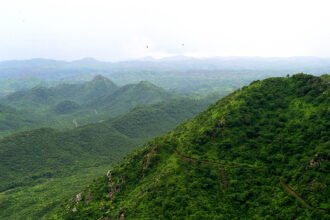








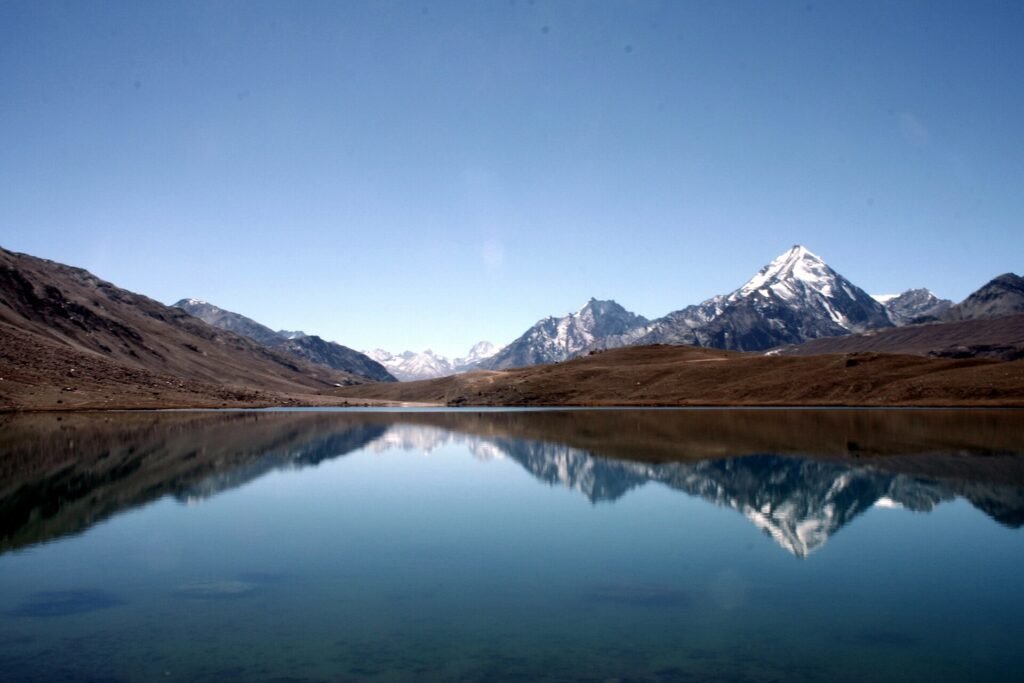
New Delhi: High in the Trans-Himalayan folds of Himachal Pradesh, Spiti Valley has quietly entered a new chapter of global recognition. In September 2025, the region was declared India’s first Cold Desert Biosphere Reserve under UNESCO’s Man and the Biosphere Programme, making it one of the world’s few protected high-altitude ecosystems where life persists above 3,000 metres. The designation, covering 7,770 sq km across Lahaul-Spiti district, integrates the Pin Valley National Park, Kibber Wildlife Sanctuary, Chandratal Wetland and Sarchu Plains into a living “laboratory of survival” for scientists and travellers alike.
A Valley on UNESCO’s Map
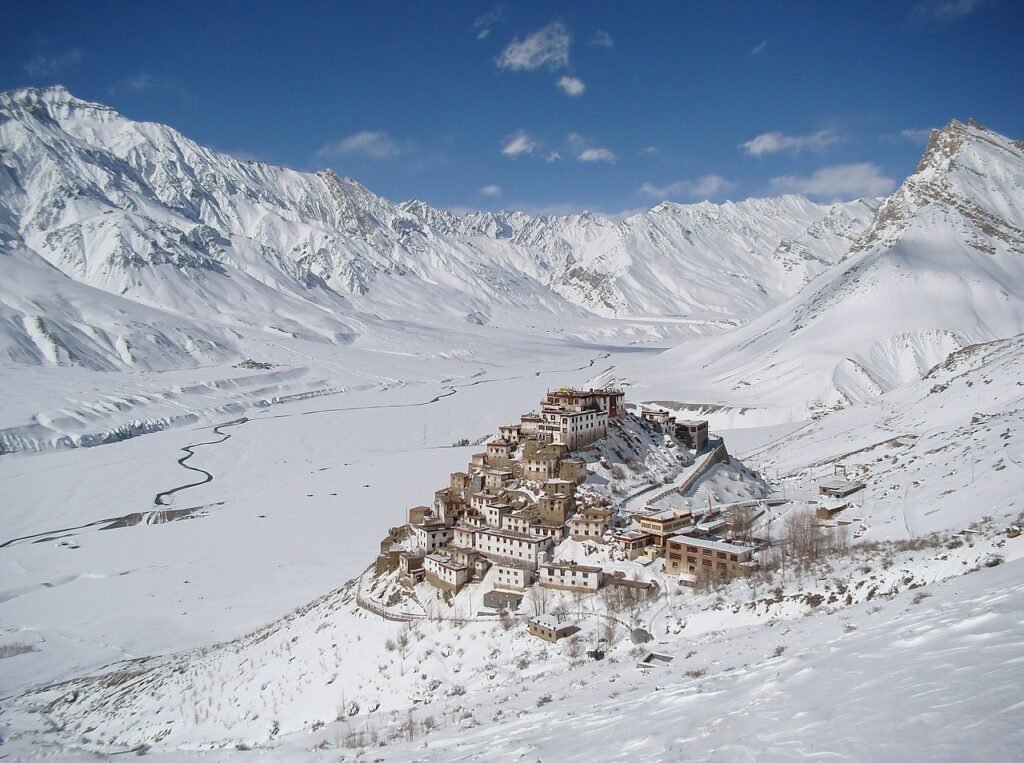
Spiti is not yet a UNESCO World Heritage Site, but it has been on UNESCO’s Tentative List since 2015 under the “Cold Desert Cultural Landscape of India.” This listing includes the thousand-year-old Tabo Monastery—often called the Ajanta of the Himalayas—and cliff-perched Dhankar Monastery, which the World Monuments Watch counts among the planet’s most endangered heritage sites. Key Monastery, the largest in Spiti, continues to train hundreds of lamas in Tibetan Buddhist philosophy. Together, these monasteries embody a living continuity of faith that has survived isolation, snowfall, and shifting frontiers.
Tourism That Scales New Heights
According to the Himachal Pradesh Tourism Department, over 1.06 million visitors arrived in the Lahaul-Spiti district in 2024—a 13 percent jump from 2023. Domestic arrivals touched 10.5 lakh, while foreign visitors nearly doubled in three years to 7,504. The surge mirrors the post-pandemic boom in high-altitude travel and the social-media fascination with “Little Tibet.”
The single most transformative factor remains the Atal Tunnel, inaugurated in 2020. By bypassing the treacherous Rohtang Pass and reducing travel time between Manali and Keylong by up to five hours, it opened Spiti to year-round access and sustainable logistics. The state has since launched projects worth nearly ₹700 crore to strengthen road networks, build eco-friendly heliports at Jispa and Rangrik, and promote Chandratal and Kaza as model destinations.
An Economy in Transition
Spiti’s 12,000 inhabitants, who speak the Stod Bhoti dialect of Tibetan, are witnessing rapid socio-economic transformation. Once dependent on single-crop barley farming, villagers now earn through community homestays, adventure tourism, and the sale of seabuckthorn products. Spiti Ecosphere, a local social enterprise, runs homestays in 55 villages and has raised household incomes by 40–50 percent while keeping a zero-carbon footprint. Its solar-energy and water-harvesting projects have won the Ashden Award and international acclaim for linking conservation with livelihood.
Faith and Festivals in the Thin Air
Life here still moves to the rhythm of the monasteries. The Losar Festival in February brings masked cham dances that dramatize the triumph of good over evil. In summer, the Ladarcha Fair at Kaza revives the ancient barter traditions between traders of Spiti, Kinnaur, and Tibet. Visitors find themselves not just tourists but participants in a culture that prizes silence, prayer wheels, and the timeless sound of conch shells echoing across stone valleys.

The Fragile Balance of the Cold Desert
UNESCO scientists have identified 655 herb species and 17 tree species, along with 17 mammal and 119 bird species in the biosphere. The elusive snow leopard, Himalayan ibex, and blue sheep form the heart of this ecosystem. Yet, climate change looms large. Glaciers feeding the Spiti and Pin rivers are melting faster, altering water cycles in villages where a single frozen stream once sustained whole communities.
To counter this, local women’s groups in Kibber have joined forest officials in camera-trap monitoring and predator-proof corral projects, blending traditional knowledge with modern conservation. As Principal Chief Conservator of Forests Amitabh Gautam noted, the UNESCO tag “Places Himachal’s cold deserts firmly on the global conservation map” while empowering local stewardship.
The Traveler’s Horizon
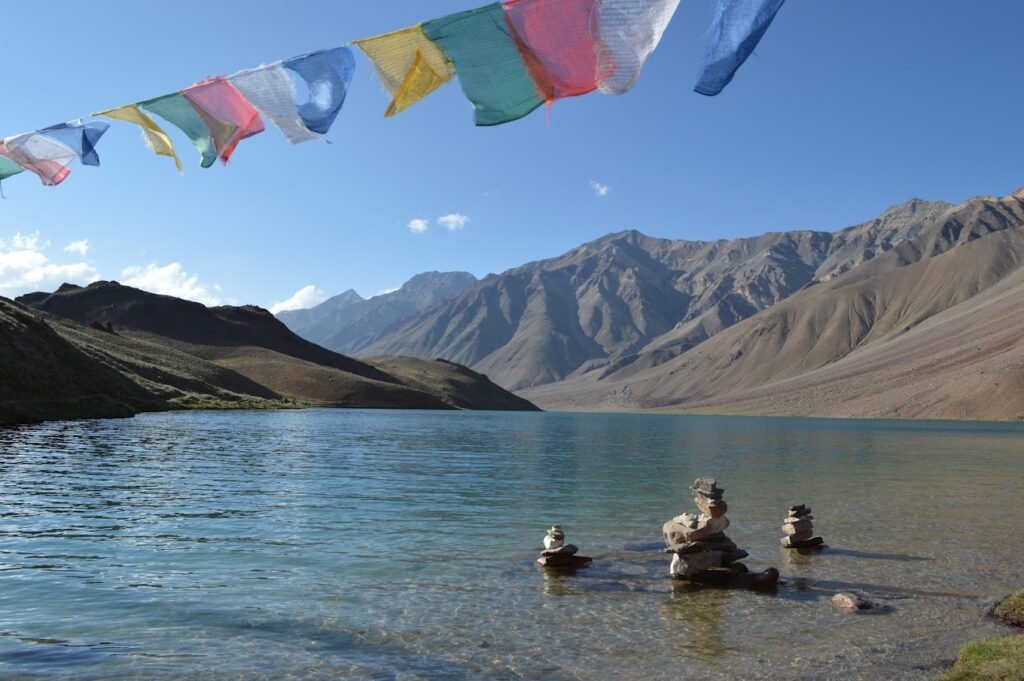
From fossil-strewn slopes at Langza, where 150-million-year-old ammonites testify that these mountains were once ocean beds, to the crescent lake of Chandratal shimmering like liquid sapphire, Spiti offers explorers an otherworldly mix of geology and spirituality. Summer temperatures linger at 15–20 °C, but winter can plunge below –25 °C, when only the most determined trekkers arrive in search of snow leopards and stillness.
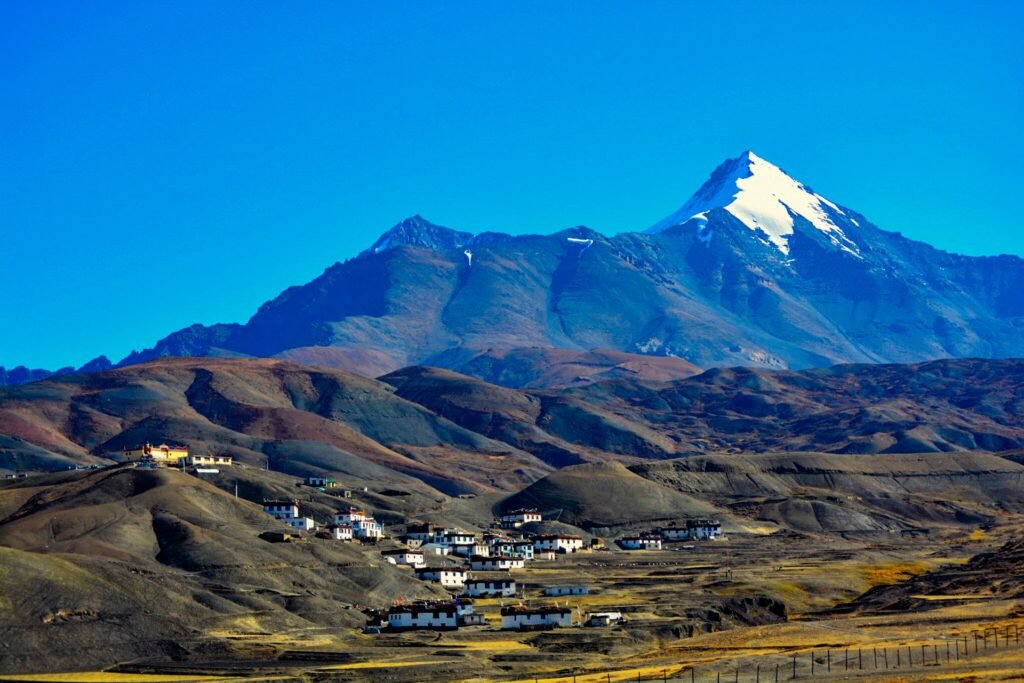
Travel advisories urge gradual acclimatization and responsible conduct: avoid single-use plastics, respect monastery decorum, and hire local guides. In an age when over-tourism threatens fragile landscapes, Spiti’s experiment in low-impact, high-awareness travel may become a national template.
A Living Heritage of the Himalayas
Spiti’s story today stands at the intersection of ancient wisdom and modern change. It is not merely a destination—it is a dialogue between humans and the high Himalaya, where every fossil records an ocean, every chant carries a millennium, and every traveler departs with the echo of a single truth: in the cold silence of this desert, life itself is a form of faith.
Also Read | Kaziranga National Park: India’s Living Legacy of the One-Horned Rhino