







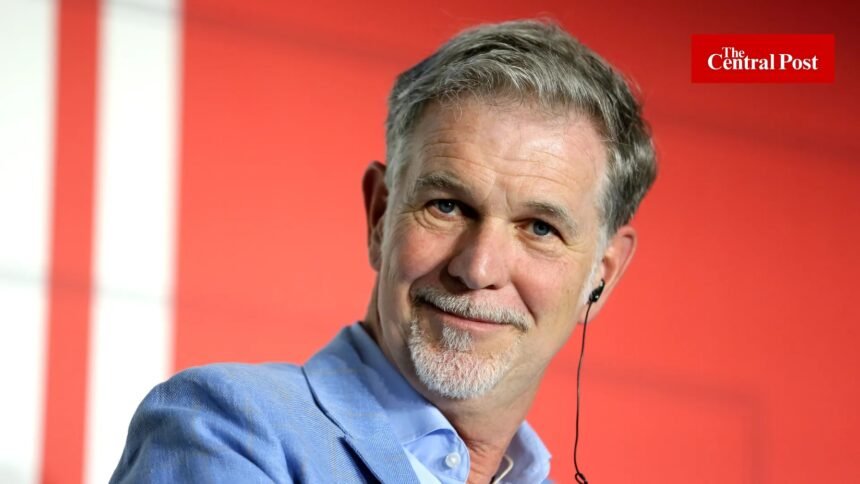
New Delhi: Netflix co-founder Reed Hastings has declared that he will leave the company board in June 2026, and the era of leadership will come to an end after almost 30 years of work. Hastings, a co-founder of Netflix, was instrumental in making it more than a DVD-by-mail company to a worldwide streaming powerhouse with more than 300 million users around the world.
In 2023, the 65-year-old entrepreneur had already retired as CEO, passing the leadership to Ted Sarandos and Greg Peters, but remained chairman.
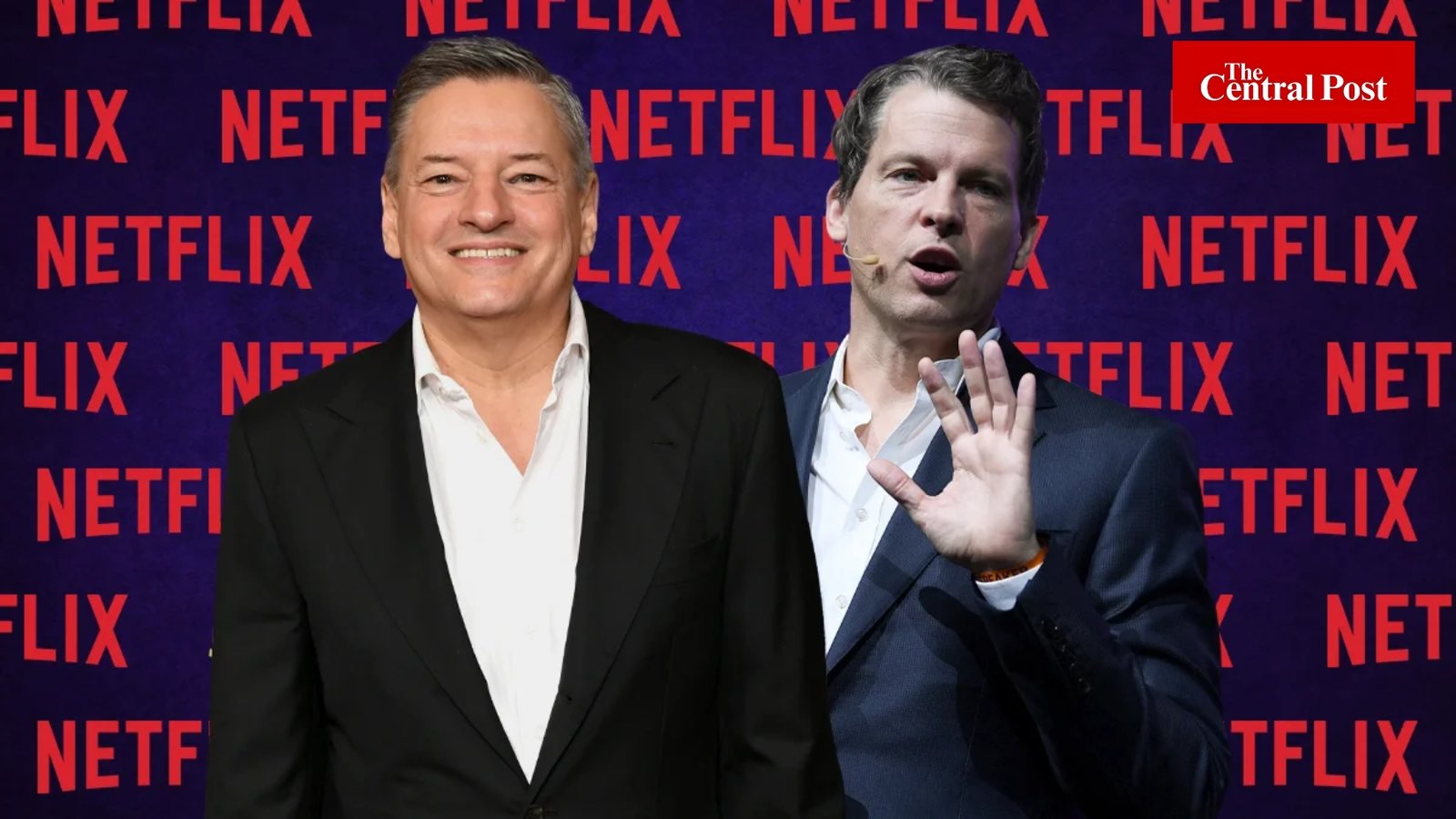
He has now affirmed that he will not re-election at the next annual meeting, saying that he intends to concentrate on philanthropy and other personal activities.
The departure of Hastings is a sensitive moment to Netflix. Although the company reported good financial performance, its stock dropped drastically by approximately 8-10 percent after the announcement, indicating that investors were worried about its future growth and stability of its leadership.
Netflix, Deal Failure
Netflix has recorded a revenue of about 12.25 billion in its latest quarterly report, which is 16 percent higher than the previous year. The net income increased to approximately $5.28 billion, which was partly aided by a breakup fee of 2.8 billion that the company received following its unsuccessful bid to purchase Warner Bros. Discovery.
Nevertheless, Netflix failed to impress investors with a lower growth outlook in the next few quarters, even though it exceeded expectations in terms of revenue and profit. The company estimated a growth of about 13 percent in revenue, a bit lower than the analyst estimates, which also added to the negative market response.
One of the key contributors to the uncertainty is the unsuccessful attempt by Netflix to purchase Warner Bros. Discovery. The streaming giant had already bid the company approximately $82.7 billion but lost the bid to Paramount Skydance who won the bid at a higher price of over 110 billion.
Though Netflix was offered a huge termination fee, analysts feel that the failure of the deal has curtailed its capacity to quickly grow its content base with big franchises. The company has made it clear that the exit of Hastings is not directly related to the failed deal, but the timing has cast doubt on investors.
Nevertheless, Netflix is still financially robust and is still trying to find new avenues of growth. The company is also concentrating on the growth of its ad-supported subscription model that is projected to bring about approximately 3 billion dollars in revenue by 2026, almost twice as compared to the past years.
Moreover, Netflix is also investing in live events, gaming, and new content formats like video podcasts to appeal to a broader audience. These efforts are in a larger plan to retain its leadership in a more competitive streaming market.
The legacy of Hastings at Netflix is generally considered to be revolutionary. He was the first to introduce the streaming model that is subscribed to and contributed to the re-invention of the way people watch entertainment around the world. His focus on company culture, innovation, and customer satisfaction has been attributed as one of the reasons why Netflix has been successful in the long-term.
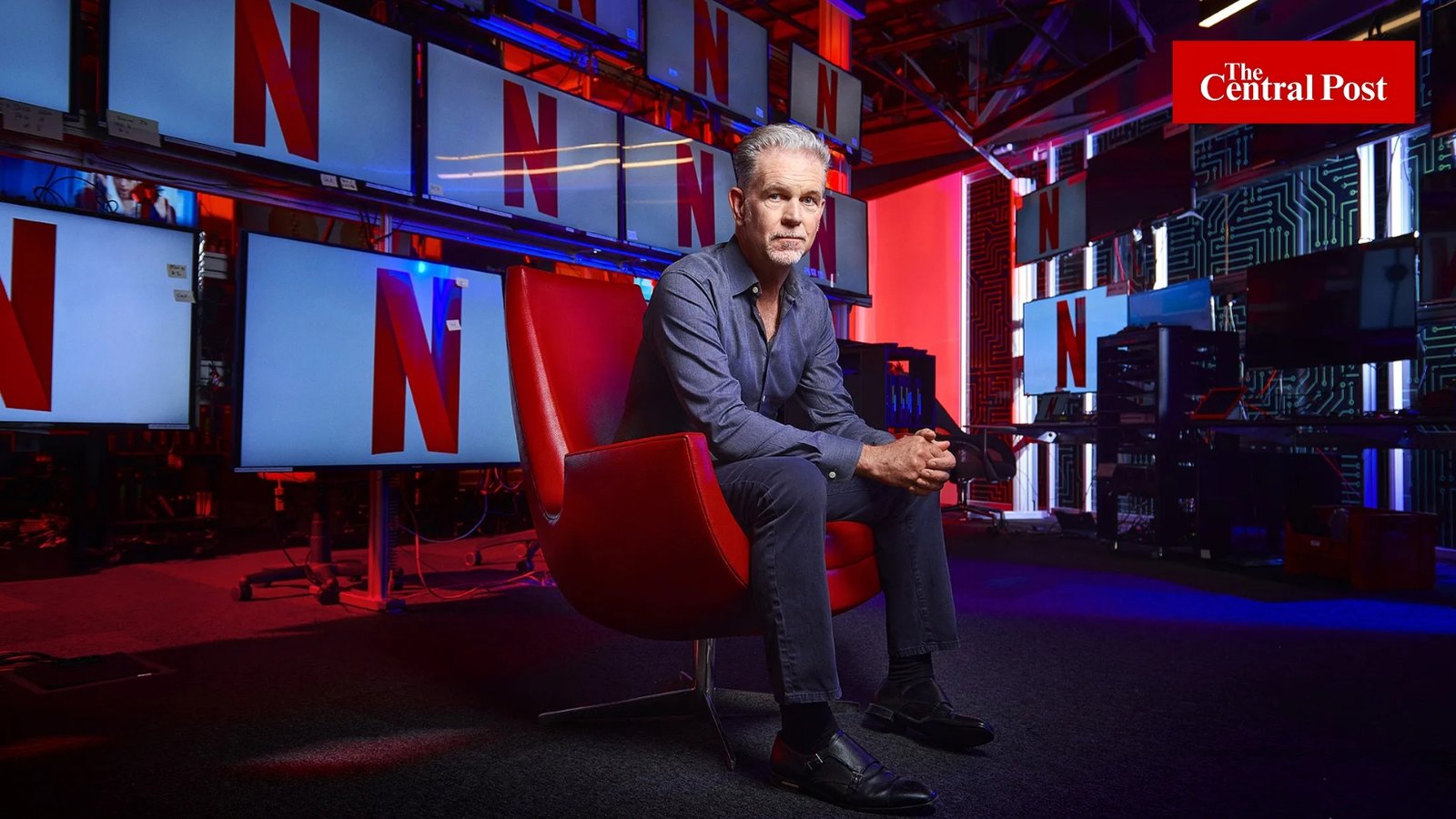
Hastings will continue to be one of the largest individual shareholders of Netflix, with approximately 1 percent of the company, worth more than 2 billion dollars, even after he steps down.
Also Read: RBI Cracks Down on Forex Exposure with $100 Million Limit as Rupee Weakens