







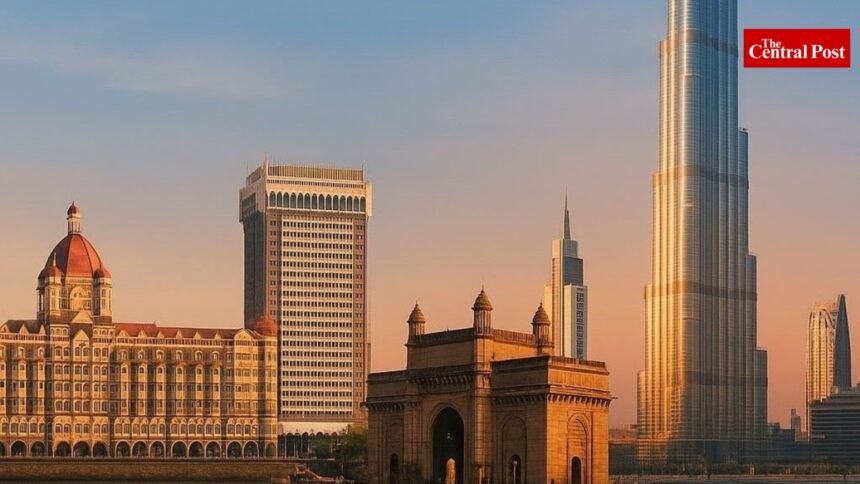
Mumbai: On March 5, 2026, war broke out in the Middle East, targeting Dubai. The world’s busiest airport, Dubai International Airport, as well as the world’s largest port, Jebel Ali Port, were temporarily shut down.
The war had an immediate and profound impact. People were reportedly willing to pay high prices for chairs out of Dubai and there were even impacts on the world economy. The Jebel Ali Port is an important transit hub for global trade, and even a temporary shutdown had ramifications for global supply chains.
Dubai has become a global city without much manufacturing or oil processing. By linking its port, free zones and airport with efficient air and sea connections, it is a hub of commerce and money. This is an example of how logistics can be used to build the economy, attract investments and earn foreign exchange.
Now this process is happening in India’s financial centre. Recent announcements indicate a strong interest in a logistics economy. In fact, billions of dollars’ worth of investment deals have been inked, truly a historic moment for the city.
Mumbai’s Historic Makeover
Mumbai has a long tradition of being a world trade and financial centre, alongside London and New York. It was a centre of the Indian Ocean economy and had Asia’s first banks.
However, after independence, economic policy, industrial stagnation and lack of infrastructure see its decline. Its ports and infrastructure did not keep pace with the shift of world trade to containerisation. Its population grew and so did the problem.
In comparison, cities like Dubai boomed with infrastructure.
The Infrastructure Push
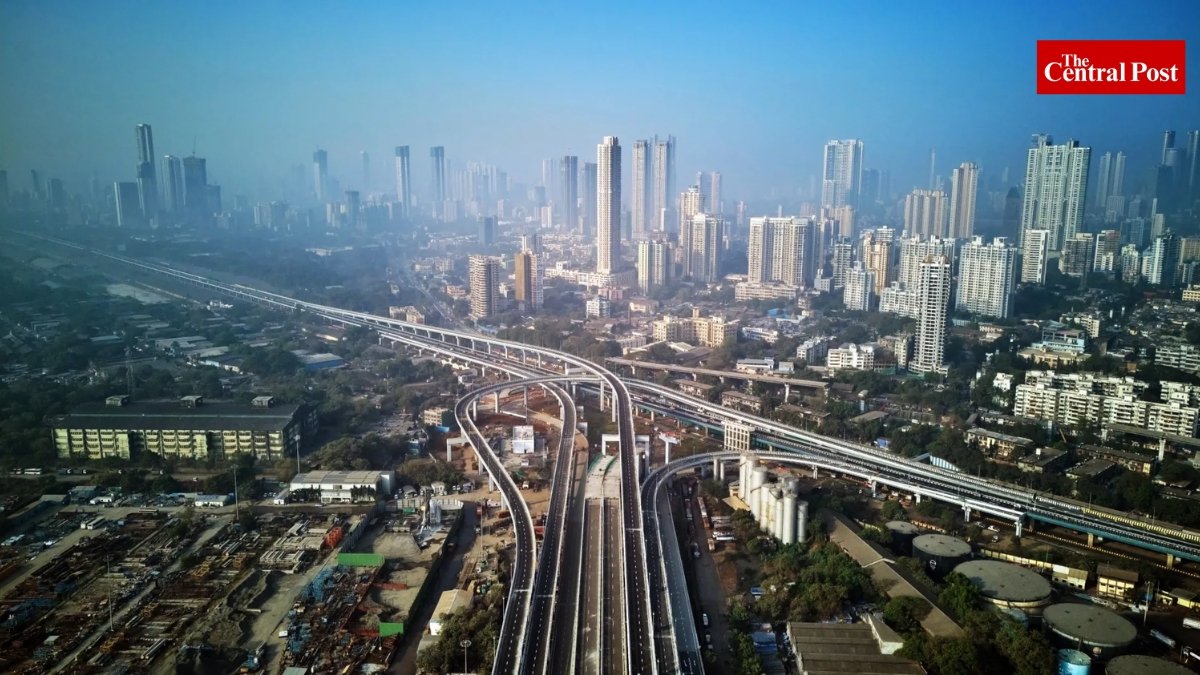
Today, Mumbai is undergoing a an infrastructure transformation with numerous mega-projects. It has the second-longest sea bridge in India, coastal roads with underwater tunnels and a massive metro.
It even has a new international airport in Navi Mumbai, for both passenger and cargo. It is fully automated, with a high cargo capacity and is sure to be the game changer.
This is all happening at once, in the country’s largest urban development project.
The Logistics Blueprint
The key catalyst for this change is to adopt a successful global model – to enable fast freight movement between port and airport. It will help quick cargo movement from sea to air in a matter of hours and increase productivity.
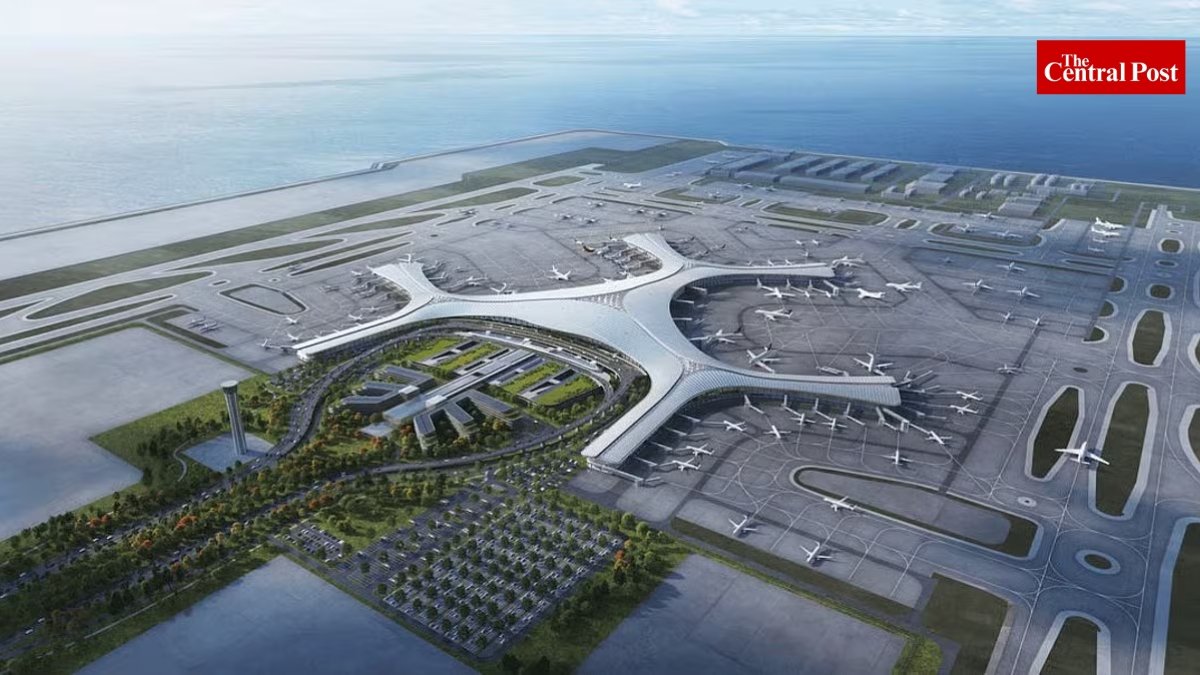
Mumbai is doing this, as its port is close to the new airport. This leads to faster handling of cargo and the area may become a transshipment centre.
The difficulty in the past has been deep draft of the Indian ports, which prevented large container ships from entering the port. This resulted in cargo transshipment to other ports at a higher cost and increased dependence on foreign ports.
To address this issue, a deep port is being developed to allow dockage of the super-ships. Cargo corridors are also being built to improve the connectivity between the port and hinterland, increasing the speed of movement.
Free trade zones for shipping goods for import and re-export are also being created, to improve the logistics industry.
The Mumbai redevelopment project comes with its own challenges, unlike greenfield cities. New projects are under consideration in densely populated areas with multiple property owners, environmental and regulatory constraints.
Also Read: Hindustan Zinc Shares Jump 17% After Huge Profit and Big Dividend