





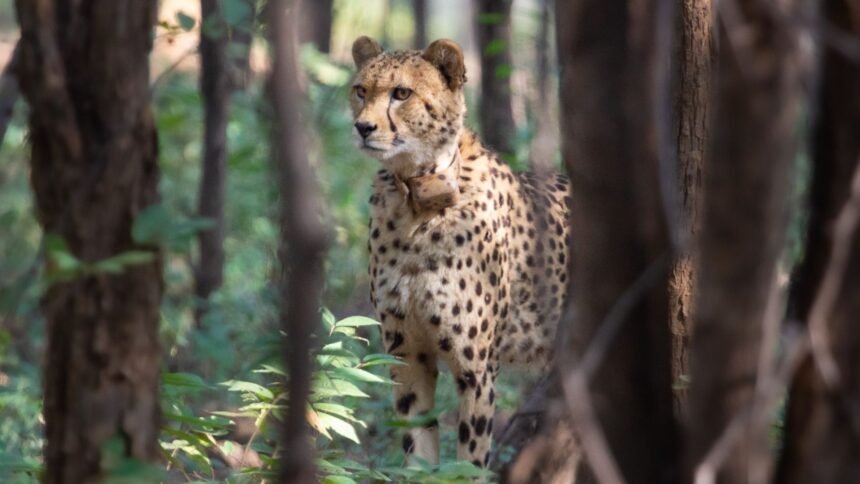
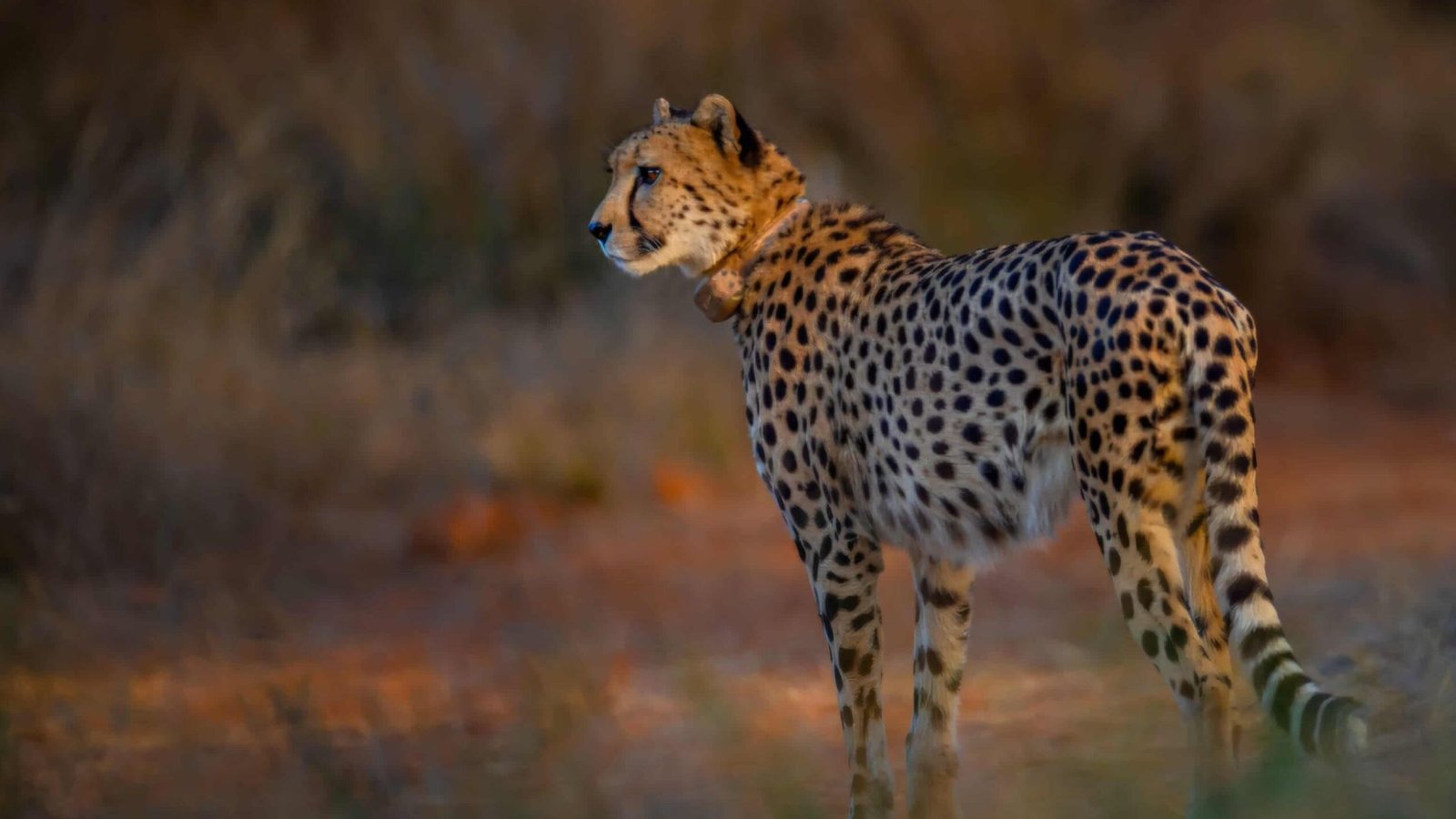
Sheopur (Madhya Pradesh): For the first time in seventy years, visitors to India can now watch cheetahs sprint across open grasslands right here on home soil. On October 1, 2025, Kuno National Park officially opened the country’s first dedicated cheetah safari, turning a once-quiet forest reserve into a global symbol of wildlife revival.
Spread over nearly 750 square kilometers in Madhya Pradesh, Kuno now shelters 25 cheetahs 11 adults brought from Africa and 14–16 cubs born in India under the landmark Project Cheetah. For travelers, it offers a rare chance to witness the world’s fastest land animal thriving once again in its natural habitat.
Planning Your Safari
Kuno’s cheetah safari operates under a carefully managed booking system designed to balance tourism with conservation. Visitors can reserve slots up to 120 days in advance through the official website kunocheetahjunglesafari.com or via forest.mponline.gov.in.
Morning drives run from 6:00 a.m. to 11:30 a.m., while evening sessions take place between 3:00 p.m. and 7:00 p.m.. Each excursion lasts around three to four hours, costing between ₹1,800–₹3,000 per person for Indian nationals and ₹3,500–₹5,500 for international guests. A mandatory guide fee of ₹360 per vehicle ensures trained forest guides accompany every group.
The park’s three gates Ahira, Peepalwadi and Tiktoli open into distinct zones but the Palpur Zone is the most promising for cheetah sightings. At dawn, when sunlight filters through the Kardhai trees and the grasslands shimmer gold, visitors often spot cheetahs stalking prey in the open.
How to Reach and Where to Stay
Getting to Kuno may take effort, but the experience more than compensates for the distance. The nearest airport is Gwalior (170 km), linked to Delhi, Mumbai, and Jaipur. From there, a four-hour taxi ride (₹3,000–₹5,000) leads to the park gates. Those preferring trains can reach Shivpuri Station (65 km), connected by daily services from Delhi’s Hazrat Nizamuddin. Road travelers can drive roughly 450 km from Delhi via Agra and Gwalior in about nine hours.
Accommodation options around Kuno cater to every traveler.
- Kuno Forest Retreat offers upscale glamping tents inside the buffer zone, priced between ₹8,000 and ₹15,000 per night.
- MP Tourism’s Jungle Resort Kuno, overlooking the Kuno River, provides mid-range comfort (₹4,990–₹6,990) with an infinity pool and guided safari packages.
- Radhika Vilas Heritage Resort in nearby Sheopur (40 km) remains a popular pick among families, offering traditional interiors, a swimming pool, and multi-cuisine dining from ₹3,500 onward.
Budget visitors can reserve forest rest houses directly through the DFO’s office.
Beyond the Cheetahs
Kuno is far more than just a cheetah reserve it’s a thriving ecosystem teeming with life. The park sustains nearly 70 leopards, a dense population of sloth bears, striped hyenas, Indian wolves, and over 12,000 herbivores including chital, sambar and nilgai.
Birdwatchers will find more than 200 species, from Indian white-backed vultures to brown fish owls. The Kuno River nourishes a chain of wetlands inhabited by mugger crocodiles and gharials. Within the park stands the ancient Palpur Fort, an evocative 16th-century ruin that offers dramatic views of the savanna at sunset perfect for photographers.
Nearby attractions enrich the experience further. Sheopur Fort (60 km away) houses a rare archaeological museum with over 400 stone idols, while Baroda Fort features a striking Shish Mahal or Palace of Mirrors. Adventurous travelers can extend their trip to Ranthambore National Park in Rajasthan just 150 km from Kuno to see both cheetahs and tigers on the same journey.
Best Time to Visit
The cheetah safari season runs from October to June, with the park closing during the monsoon (July–September). The most pleasant weather spans October to March, when temperatures stay between 10°C and 24°C. Summer months (April–June) bring intense heat but also excellent visibility near watering holes.
Visitors are urged to follow strict eco-guidelines: stay inside vehicles, maintain the 20 km/h speed limit, wear muted colors, and carry essentials like binoculars, hats, and insect repellent. To increase chances of sightings, experts recommend booking at least two or three safari drives spread across consecutive days.
According to park authorities, Kuno recorded 3,833 visitors in 2024–25, a 19% rise from the previous year. Guests often praise the “unspoiled serenity” of the park and its personalized safari experience.
A New Chapter in Conservation Tourism
The cheetah safari’s launch coincides with the second birthday of Mukhi, the first cheetah cub born in India in over 70 years. It also precedes the anticipated arrival of eight new cheetahs from Botswana in December 2025, expected to strengthen genetic diversity and ensure long-term stability for India’s cheetah population.
With careful management, expanded habitats, and community involvement through over 400 trained “Cheetah Mitras”, Kuno National Park stands at the crossroads of wildlife conservation and responsible tourism. For visitors, it’s not just a safari it’s a chance to witness India rewriting its ecological destiny, one sprint at a time.
Booking & Contact Information:
- Safari Reservations: kunocheetahjunglesafari.com | forest.mponline.gov.in
- MP Forest Department: 0755-6720266 | forest@mponline.gov.in
- Park Location: Sheopur District, Madhya Pradesh
- Season: Open October–June (Closed July–September)
- Nearest Town: Sesaipura (15 km)
Also Read | India Now Home to 27 Cheetahs, 8 More to Arrive from Botswana in December