








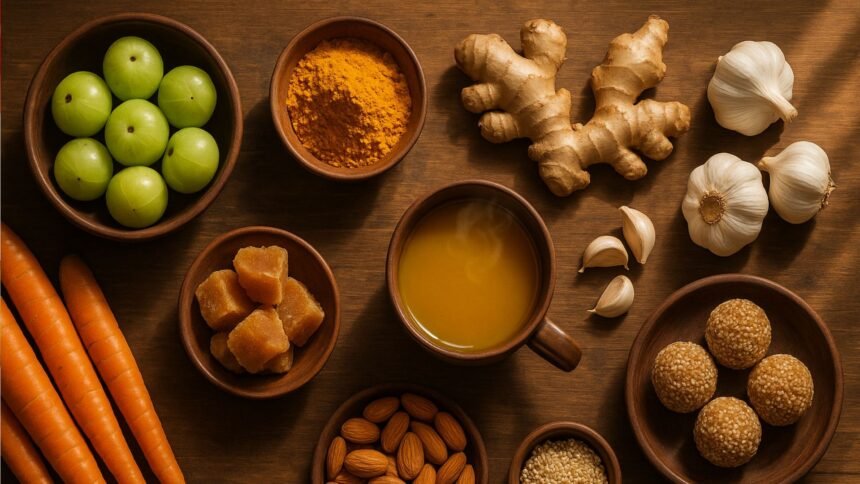
The winter season brings more than just chilly mornings and cozy evenings it also ushers in a wave of seasonal illnesses that can knock you off your feet. With respiratory infections rising sharply during colder months, health experts are pointing toward your kitchen as the first line of defense. Here are 10 powerhouse foods that can strengthen your immunity from within this winter season.
1. Amla: The Vitamin C Champion
Indian gooseberry, or amla, stands unmatched when it comes to natural vitamin C content. A single amla contains approximately 600-700mg of vitamin C that’s nearly 20 times more than an orange. This isn’t just impressive on paper. Vitamin C directly enhances the production and function of white blood cells, your body’s primary defense against infections.
Health practitioners recommend consuming 1-2 fresh amlas daily or having amla murabba (preserve) in the morning. The high antioxidant content also helps reduce inflammation in the respiratory tract, making it particularly beneficial during winter.
2. Turmeric: Ancient Medicine Meets Modern Science
The golden spice that colors our curries yellow has been validated by modern research for its immune-modulating properties. Curcumin the active compound in turmeric, works by regulating immune cell activity and reducing inflammatory markers in the body.
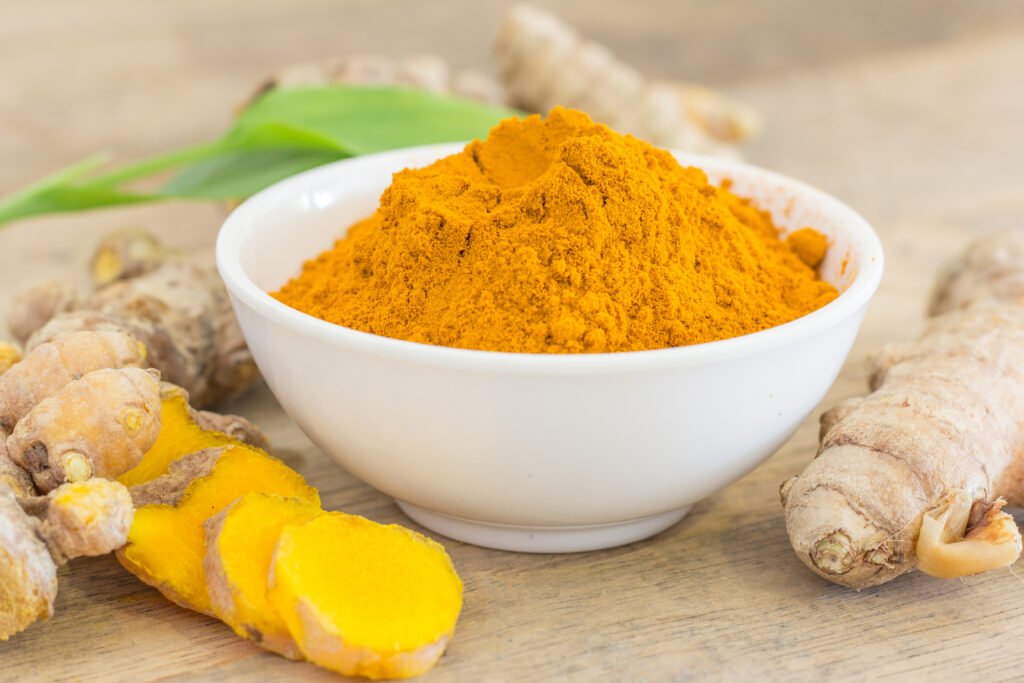
The catch? Curcumin has poor bioavailability on its own. Nutritionists suggest always combining turmeric with black pepper and a fat source like ghee or coconut oil. The piperine in black pepper increases curcumin absorption by up to 2000%, transforming it from a passive ingredient to an active immunity booster.
3. Garlic: The Antibacterial Bulb
Fresh garlic cloves contain allicin, a sulfur compound with proven antimicrobial properties. Studies have shown that regular garlic consumption can reduce the frequency of colds by up to 60%. But there’s a technique to maximize its benefits.
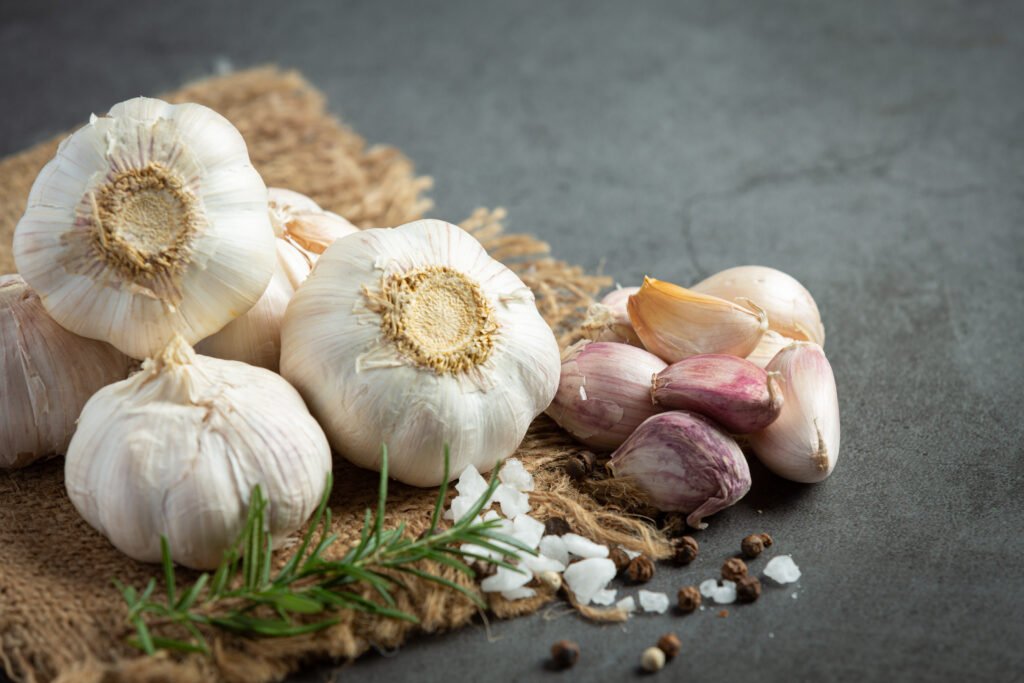
Crush or chop garlic cloves and let them sit for 10 minutes before cooking. This waiting period allows enzymes to convert compounds into allicin. Cooking immediately destroys these beneficial enzymes before they can work their magic. Aim for 2-3 raw or lightly cooked cloves daily throughout winter.
4. Ginger: The Warming Root
Ginger has been a staple in Indian homes for treating colds and coughs for generations. Modern research confirms what traditional medicine always knew ginger contains gingerol and shogaol, compounds with powerful anti-inflammatory and antioxidant effects.
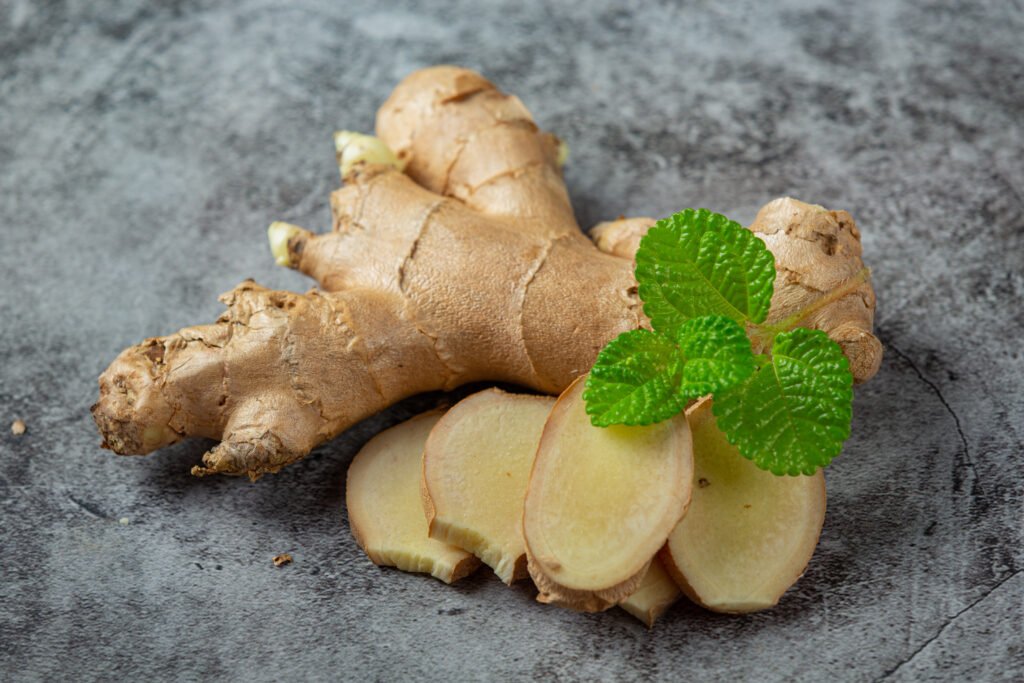
Fresh ginger tea consumed 2-3 times daily can help clear congestion, soothe sore throats, and support overall respiratory health. The warming effect of ginger also improves blood circulation, ensuring immune cells reach infection sites quickly.
5. Carrots: Beta-Carotene Powerhouses
The vibrant orange color of carrots signals high beta-carotene content, which your body converts to vitamin A as needed. This nutrient plays a crucial role in maintaining the integrity of mucous membranes the protective lining of your respiratory and digestive tracts that serves as a barrier against pathogens.
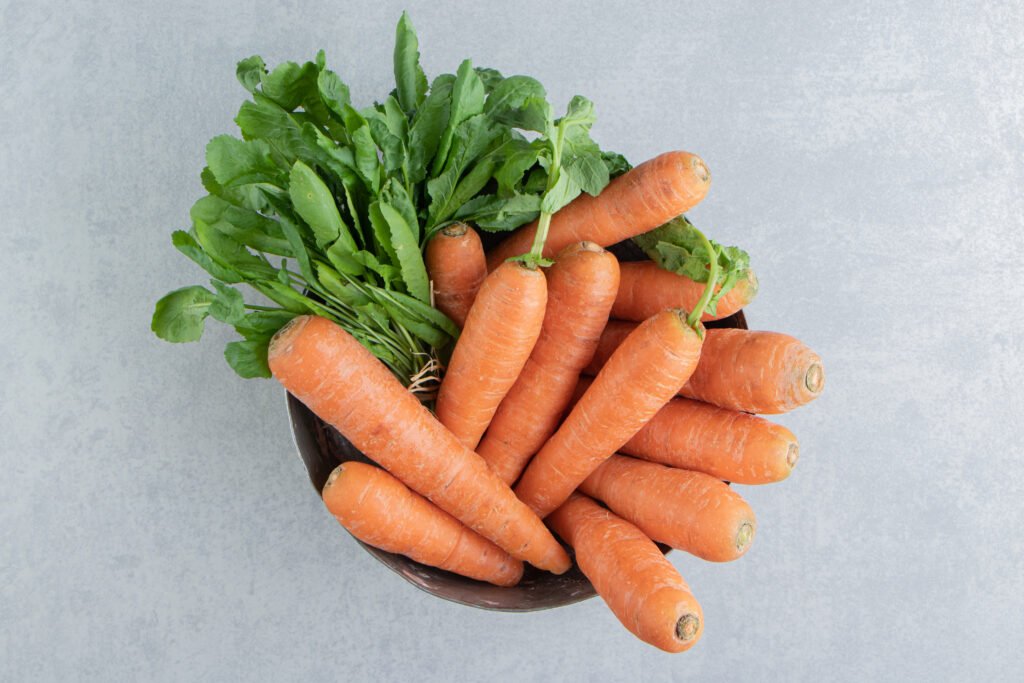
Interestingly, cooking carrots actually increases beta-carotene availability. Gajar ka halwa, the traditional winter dessert, combines carrots with ghee (fat), which further enhances nutrient absorption since beta-carotene is fat-soluble. One medium carrot daily provides substantial immune support.
6. Sweet Potatoes: Nutrient-Dense and Delicious
Sweet potatoes deserve more attention in winter diets. A single medium sweet potato provides over 400% of your daily vitamin A requirement. They also contain vitamin C, fiber and various antioxidants that work together to support immune function.
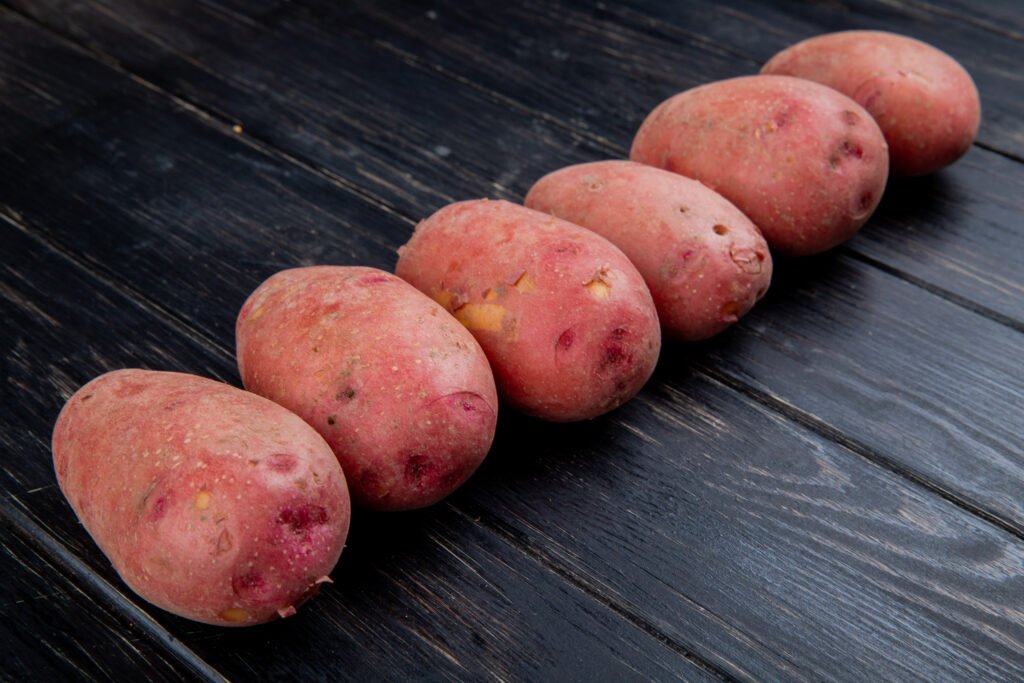
The purple-skinned varieties contain additional anthocyanins compounds with even stronger anti-inflammatory properties. Roasted, boiled, or made into chaat, sweet potatoes offer versatility along with nutrition.
7. Spinach and Fenugreek Leaves: Green Immunity Boosters
Winter greens like spinach (palak) and fenugreek leaves (methi) pack multiple immune-supporting nutrients. Spinach provides iron for oxygen transport to immune cells, folate for cell division and quercetin a powerful anti-inflammatory compound.
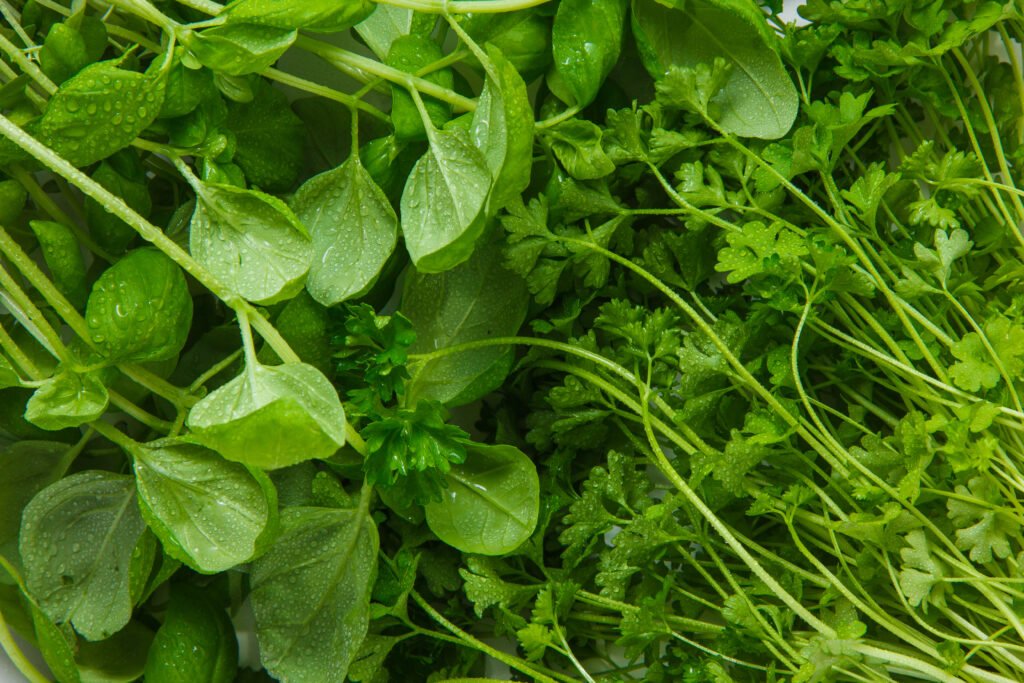
Fenugreek leaves offer zinc which activates T-cells that identify and destroy infected cells. The key is not overcooking these greens. Add them in the last few minutes of cooking to preserve heat-sensitive nutrients. Regular consumption of methi paratha or palak paneer can make a real difference.
8. Almonds and Walnuts: Nuts for Health
Almonds contain vitamin E, a fat-soluble antioxidant that protects immune cell membranes from oxidative damage. This is particularly important for maintaining immune function in older adults. Soak 8-10 almonds overnight and consume them first thing in the morning for better nutrient absorption.
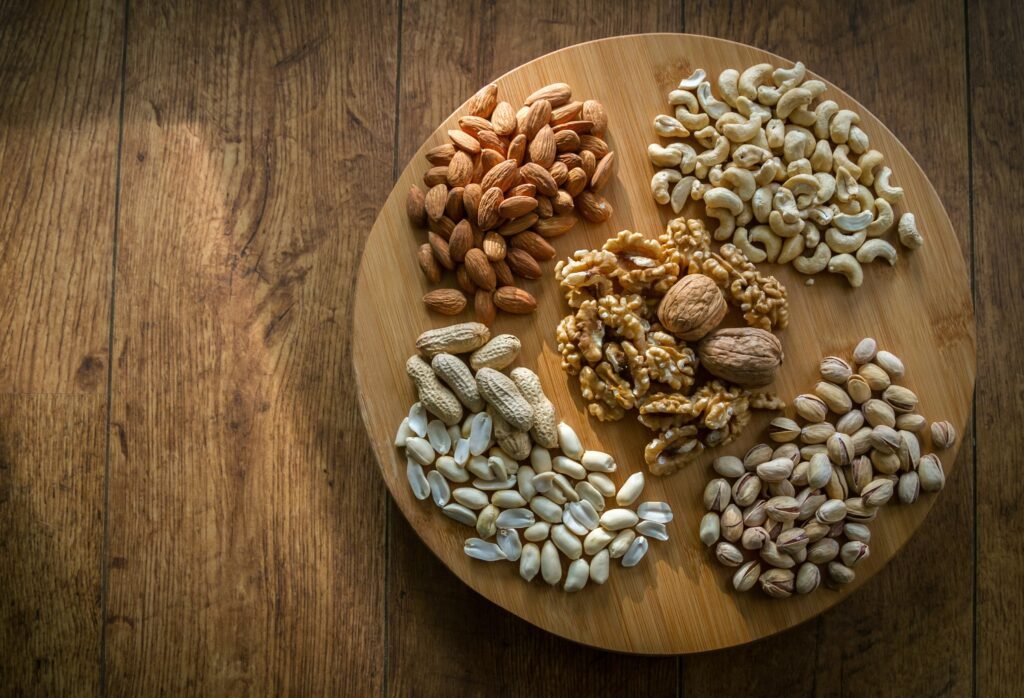
Walnuts provide omega-3 fatty acids that reduce systemic inflammation and support immune responses. Just a handful (about 7-8 whole walnuts) daily offers significant benefits without excess calories.
9. Sesame Seeds: Tiny but Mighty
Til (sesame seeds) are traditionally consumed as til-gud laddoos in winter, and for good reason. These tiny seeds deliver zinc, selenium, copper and iron all essential for immune cell production and function. Zinc alone is involved in over 300 enzymatic reactions crucial for immunity.
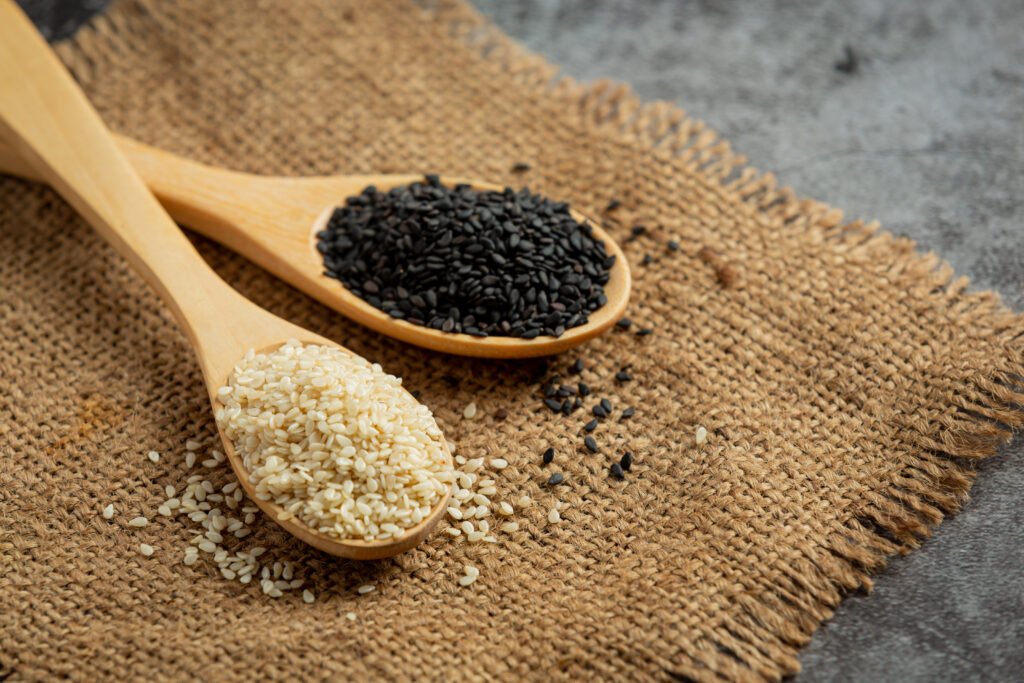
One tablespoon of sesame seeds daily, whether in laddoos, chikkis or sprinkled on salads, contributes meaningfully to your mineral intake.
10. Jaggery: The Healthier Sweetener
Gur (jaggery) isn’t just about adding sweetness it’s a functional food in winter. Unlike refined sugar, jaggery retains minerals like iron, magnesium and potassium. It helps maintain body heat, supports digestion and provides steady energy without the blood sugar spikes associated with white sugar.
Traditional preparations combining jaggery with sesame seeds, peanuts, or ghee aren’t just comfort foods they’re nutritionally designed for winter wellness.
Making It Work Daily
You don’t need to consume all ten foods every single day. Instead, create a rotation that works for your lifestyle:
Morning: Start with soaked almonds and walnuts, followed by a small piece of amla murabba.
Afternoon: Include carrots or sweet potatoes in your main meal with adequate ghee or oil. Add garlic to your cooking.
Evening: Enjoy ginger-turmeric tea (kadha) with jaggery.
Dinner: Incorporate spinach or fenugreek in your dal or sabzi.
Snacks: Keep til-gud laddoos handy for afternoon energy.
The Bottom Line
Winter immunity isn’t built overnight or with expensive supplements. It’s constructed through consistent, daily choices with foods that are already part of Indian culinary traditions. These ten foods work together synergistically vitamin C from amla enhances iron absorption from spinach, fat from ghee improves beta-carotene uptake from carrots, and black pepper amplifies turmeric’s effects.
Start incorporating these foods gradually into your winter routine. Your immune system will respond to this sustained nutritional support, helping you navigate the season with fewer sick days and more energy.
Also Read | Your Grandmother Was Right: Indian Winter Foods Are Scientifically Proven Immunity Boosters