








In a cinematic world dominated by loud emotions, glossy romance, and dramatic storytelling, Do Deewane Seher Mein chooses a quieter path. The film is directed by Ravi Udyawar and tries to narrate a sweet and familiar love story based on insecurities and emotional weakness of the day to day life. The movie is based on how two flawed individuals gradually turn to one another, and stars Siddhant Chaturvedi and Mrunal Thakur. While its intentions are sincere and its emotional core strong, the execution often feels restrained, repetitive, and stretched.
The movie is framed within the busy but oddly intimate setting of Mumbai, creating an image of relationships in the modern world that are driven by social pressure, self-doubt, and emotional loneliness. The story moves at a deliberately slow pace, choosing realism over spectacle. However, this very restraint becomes both its strength and its biggest limitation.
Plot: A Slow-Burn Romance Rooted in Insecurity and Healing

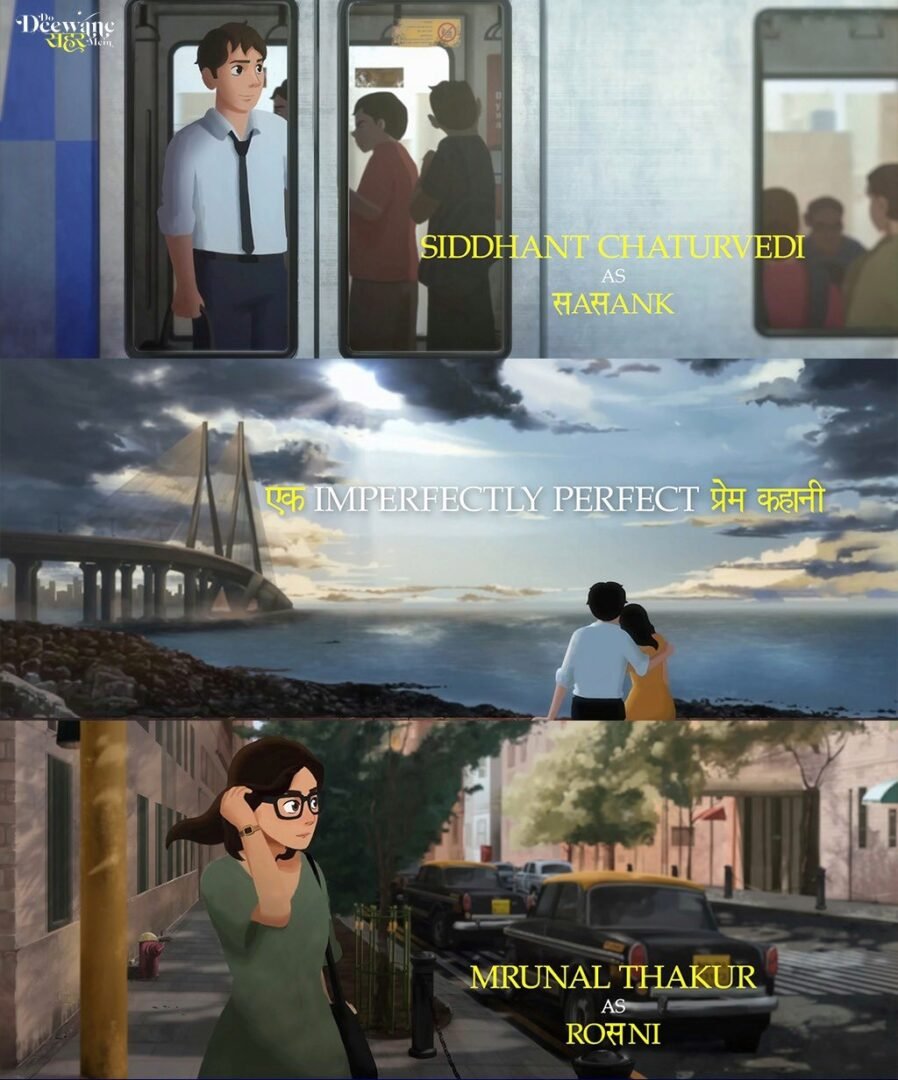
The story revolves around Shashank, played by Siddhant Chaturvedi, a bright marketing professional who struggles with a speech impediment that makes him pronounce ‘sh’ as ‘sa’. What people may consider insignificant turns into a rooted fear in him not only in personal confidence but also in professional development. He is a talented, charming and creative little guy, but his nervousness about addressing an audience cripples him, particularly in the presence of his strict father.
On the other hand is Roshini, portrayed by Mrunal Thakur, a content creator working in a fashion and beauty magazine. Ironically, despite working in a space obsessed with beauty standards, Roshini remains deeply insecure about her own appearance. She wears heavy glasses and baggy clothes to cover her scars left by childhood comments and daily comparisons with her traditional beautiful older sister Naina. To her, love is not a trustworthy thing and marriage is more of a social requirement and not an emotional decision.

Their relationship is built gradually when these two emotionally protective characters collide. There are no instant sparks or dramatic declarations. Instead, their bond grows through small conversations, shared silences, awkward moments, and emotional honesty. Their experience turns into a process of healing each other and learning to face long-known fears and self-doubt collectively.
While the premise is heartfelt and relatable, the screenplay stretches simple emotional beats for too long. There are a number of repetitive conflicts in several scenes that make some of the parts of the film drag. Even the emotional purpose can be preserved, but the story usually lacks the urgency, weight, and depth in critical situations.
Performances: Siddhant Shines, Mrunal Feels Underused

Siddhant Chaturvedi gives his most heartfelt performance as Shashank. He captures the nervous energy, vulnerability, and internal struggle of a man constantly battling his own voice. His body language, hesitation, and emotional breakdowns feel natural and convincing. His comic timing, a friendly smile, and a soft-spoken charisma, which brings more depth to his character, making Shashank immediately likable. He supports the film on his shoulders and shows once again why he is regarded as one of the most promising actors of his generation.


Mrunal Thakur looks beautiful and performs with honesty, but her character is not explored deeply enough. Although she adds emotional vulnerability to Roshini, the writing frequently brings her down to the same emotional beats and the character is sometimes annoying as well as not complex. The movie is a hint to the more profound discussions concerning body image, beauty ideals, and emotional trauma, but does not delve into it. Consequently, the potential of Mrunal is somewhat underused.
The supporting cast adds warmth and texture. Viraj Ghelani as a friend of Shashank Ajay is added with a lot of humour, emotional support and relatability which is much needed. He comes out as one of the most refreshing aspects of the film. Sandeepa Dhar is brilliant in her brief screen presence portraying Naina in an emotionally sincere manner. Older actors, such as Ayesha Raza, Joy Sengupta, Ila Arun, Deepraj Rana, Mona Ambegaonkar, Achint Kaur, and Naveen Kaushik, do a fine job, although most of them are trapped in the usual stereotypes.
Direction and Screenplay: Realistic, But Overstretched
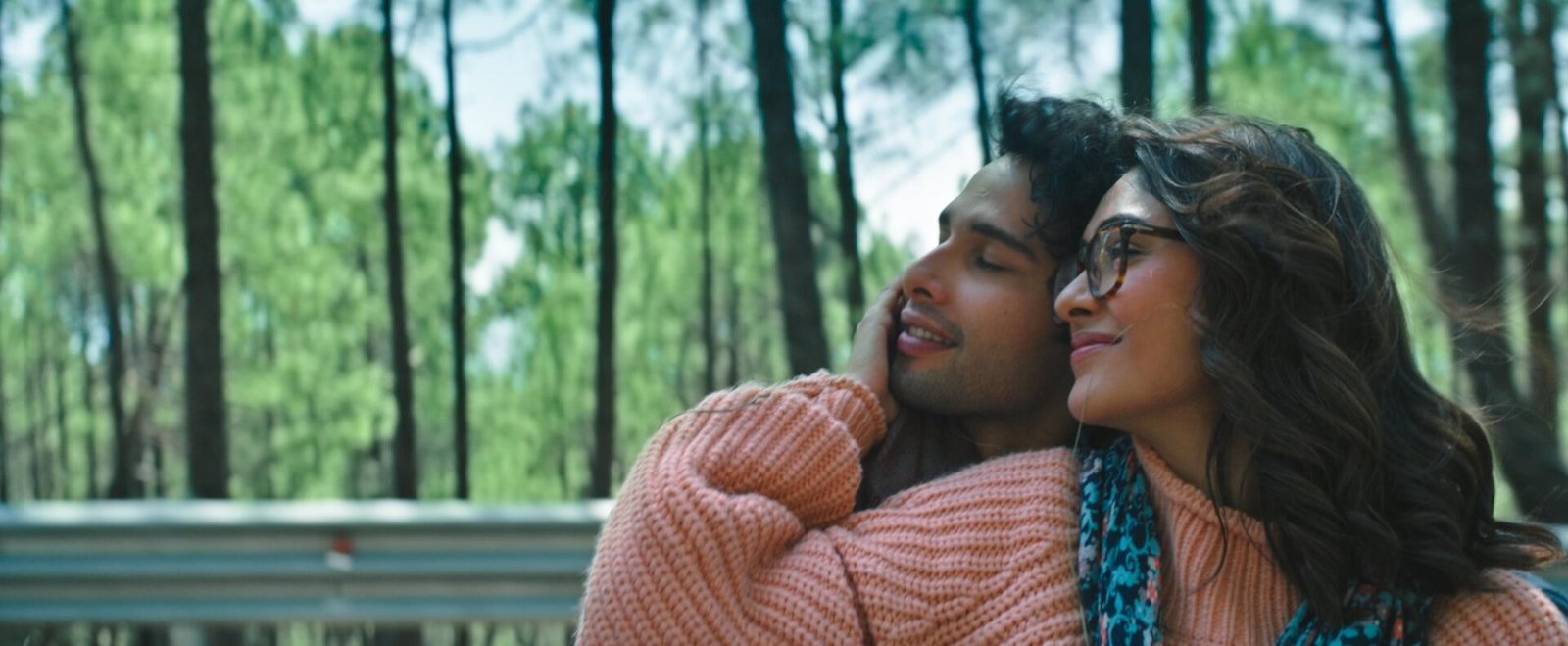
Ravi Udyawar adopts a minimalist storytelling approach, focusing on emotional subtlety rather than dramatic conflict. The movie is calm and does not include melodrama and exaggerated emotional peaks. On the one hand, this down-to-earth tone is refreshing, but on the other hand, it makes the story sound slow and monotonous. The scenes based on the same emotional tensions are repeated without introducing any new layers, which is an unnecessary extension of the time.
The screenplay touches upon important themes such as body image issues, speech anxiety, societal pressure to marry, and emotional loneliness. But rather than digging into all the depths of these tragedies, it tends to solve them with a single swab. At times when the narrative appears about to enter into the emotional tangles, it withdraws and opts to keep things safe, instead of rallying.
The result is a film that feels sincere but emotionally restrained. The absence of strong confrontations and dramatic peaks makes it difficult for the narrative to leave a lasting impact.
Music and Cinematography


The music blends seamlessly into the story. The song Aasman, composed by Hesham Abdul Wahab and sung by Jubin Nautiyal and Neeti Mohan, stands out for its soothing melody and emotional warmth. The background score remains subtle, enhancing the mood without overpowering the narrative.
The cinematography by Kaushal Shah is a wonderful capture of the poetry of everyday Mumbai. Through jumping metro rides to the tea stalls by the roadside and the silent late-night streets, the city forms an emotive part of the characters. The visuals are kept very down-to-earth and lightweight, which supports the self-reflective atmosphere of the movie with a lot of depth and texture.
What Works in Favour of the Film

The film’s biggest strength lies in its emotional honesty. The portrayal of insecurity, loneliness, and silent longing feels relatable. The acting of Siddhant Chaturvedi is deeper and more believable and the relationship develops organically among the protagonists. The emotional experience is softened by the intimate narrating, heart-felt music, and lyrical visuals.
What Does Not Work
The movie has a pacing problem. The first half is slow, and the second half turns repetitive. The emotional tensions are not very strong, and the screenplay is reluctant to dive into the more profound psychological areas. Some of the supporting characters are used in the cliche way, which diminishes their emotional appeal. Despite its sincere intentions, the film often feels stretched and underwhelming, especially for viewers expecting a more engaging romantic drama.
Final Verdict: A Tender Love Story That Falls Short of Its Full Potential
Rating: ⭐⭐⭐/5
Do Deewane Seher Mein is a tender, honest romantic movie, which dwells on emotional recovery, vulnerability and self acceptance. It does not aim to deliver dramatic highs or commercial spectacle. Instead, it quietly reflects everyday emotional struggles. While the film succeeds in creating moments of warmth and relatability, its slow pace, repetitive conflicts, and restrained storytelling prevent it from leaving a stronger emotional imprint.
This film is best suited for viewers who appreciate slow-burn romances, subtle emotions, and realistic storytelling. If you enjoy quiet narratives rooted in human vulnerability, Do Deewane Seher Mein offers a gentle, comforting watch, even if it does not fully soar.
Also Read | Mardaani 3 Review: Rani Mukerji Returns in a Grim Story That Struggles to Rise Above Its Own Formula