





New Delhi, December 11: India’s festival of lights, Diwali (Deepavali), has formally been inscribed on the UNESCO Representative List of the Intangible Cultural Heritage of Humanity, a major global recognition announced on 10 December 2025 during the ongoing 20th Session of the UNESCO Intergovernmental Committee held at the Red Fort in New Delhi.
The inclusion marks a historic milestone for India, raising the country’s total number of UNESCO-inscribed intangible cultural elements to 16, joining traditions such as Yoga, Kumbh Mela, Durga Puja, Ramlila, and Vedic chanting.
UNESCO’s Decision and Its Significance
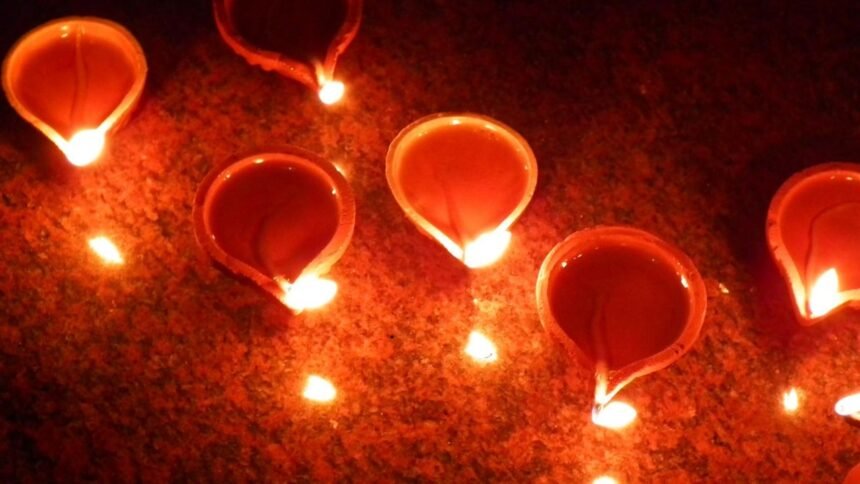
UNESCO stated that Diwali has been recognised for its living cultural traditions, community participation, social harmony, and intergenerational transmission of rituals that symbolize the triumph of light over darkness. The organisation highlighted that the festival brings together diverse communities through shared customs such as lighting diyas, performing prayers, creating rangoli, exchanging sweets, and participating in cultural gatherings.
The listing also acknowledges Diwali’s crucial role in supporting artisans and traditional crafts across India — including pottery, hand-made lamps, textiles, sweets, and folk art — which collectively form an important part of India’s intangible heritage economy.
Government Reaction
India’s Ministry of Culture called the inscription a “historic and proud moment”, emphasising that Diwali’s global recognition reflects the cultural depth and continuity of Indian civilization.
Prime Minister Narendra Modi welcomed UNESCO’s decision, noting that Diwali “represents India’s timeless message of hope, harmony, and the victory of knowledge and goodness.”
The Vice President and other senior leaders also praised the announcement, calling it a moment of pride for Indian communities worldwide.
International and Diaspora Response
The Indian diaspora across the United States, Europe, Southeast Asia, Africa, and the Middle East celebrated the decision, noting that Diwali has long been observed globally but now receives formal international heritage status. Many cultural organisations abroad described the inscription as a boost to intercultural understanding and global recognition of Indian traditions.
Impact and Future Responsibilities
UNESCO’s listing places Diwali under international frameworks for cultural safeguarding. This includes long-term documentation, preservation of traditional practices, and community involvement in ensuring that festival customs survive changing times.
Cultural experts say the recognition will likely strengthen heritage tourism, support local economies connected to festive production, and increase global awareness of Indian cultural practices.
A Historic Inclusion
With this inscription, Diwali becomes one of the world’s most widely celebrated festivals to receive UNESCO intangible-heritage status. India, as the host of the session where the decision was taken on 10 December, marked the moment as culturally significant and globally resonant.