






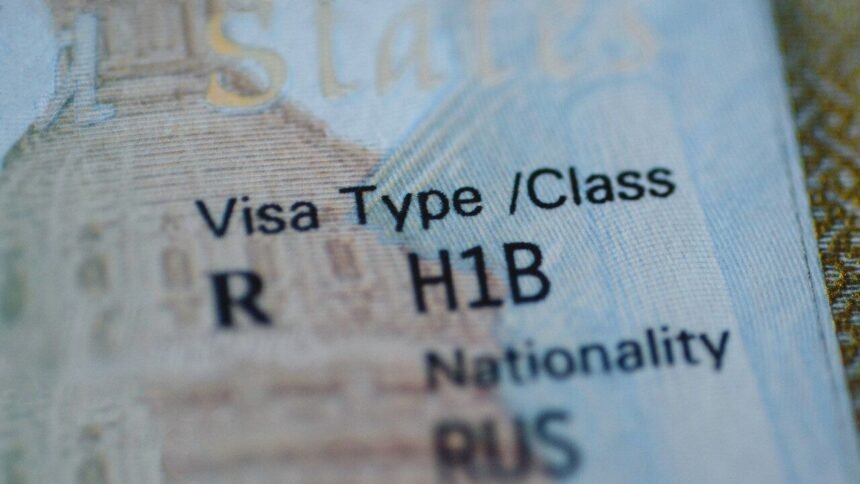
Washington: The U.S. government has introduced tighter vetting for H-1B visa applicants, especially targeting those with past roles in content moderation or other online-speech-related work. Under a new internal directive issued by the U.S. State Department on December 2, consular officers are instructed to scrutinise applicants’ employment histories, LinkedIn profiles or resumes and, where relevant, review the backgrounds of accompanying family members.
The memo specifically flags individuals involved in activities such as moderation, fact-checking, compliance, or content-control for possible visa rejection. The guidance cites a section of the Immigration and Nationality Act that allows banning applicants if they are found complicit in suppressing protected speech inside the U.S.
Though the new policy officially applies to all visa categories, it emphasises H-1B applicants because of their prevalence in technology, social-media and financial-services firms sectors where content-control or moderation roles are common.
The changes come after a broader overhaul of the H-1B regime earlier this year, which included a significantly increased application fee introduced in September. Experts say the combined effect of higher costs and stricter vetting could pose serious challenges for foreign skilled-worker hopefuls particularly from countries that supply a large portion of H-1B applicants.
US authorities justify the enhanced scrutiny as part of national-security and free-speech protection measures, arguing that they do not want foreign workers entering the country whose past work may have involved censorship of protected expression.
Also Read | United States Suspends Immigration Applications from 19 Nations