






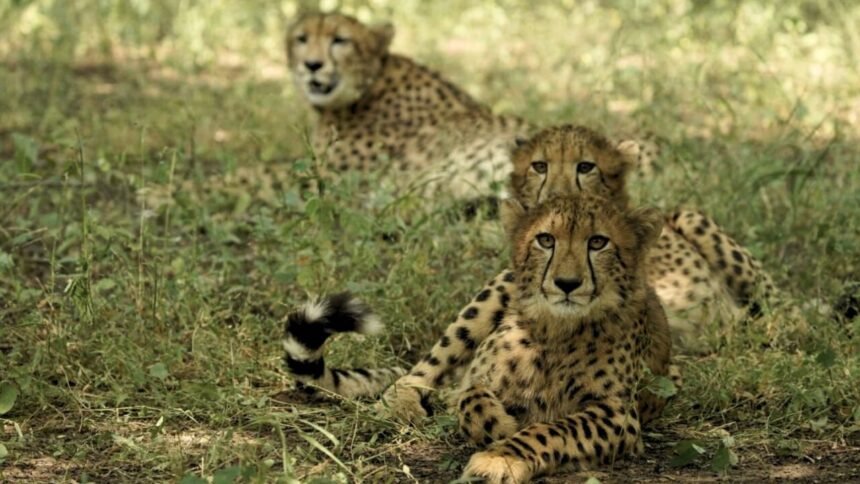
New Delhi: India marked International Cheetah Day on Wednesday with Prime Minister Narendra Modi reaffirming the country’s commitment to restoring the cheetah population and reviving the ecosystems that once supported the world’s fastest land animal.
In a post on X, the Prime Minister extended his greetings to wildlife enthusiasts and conservationists, noting that India’s efforts over the past three years under Project Cheetah have begun to show significant results. He described the initiative as an effort to “revive lost ecological heritage” and strengthen India’s biodiversity landscape.
Cheetah Reintroduction: India’s Landmark Attempt
India reintroduced cheetahs in September 2022, bringing eight wild cheetahs from Namibia to Kuno National Park (KNP) in Madhya Pradesh. This was followed by a second batch of 12 cheetahs from South Africa in February 2023—making it the world’s first transcontinental large carnivore relocation project.
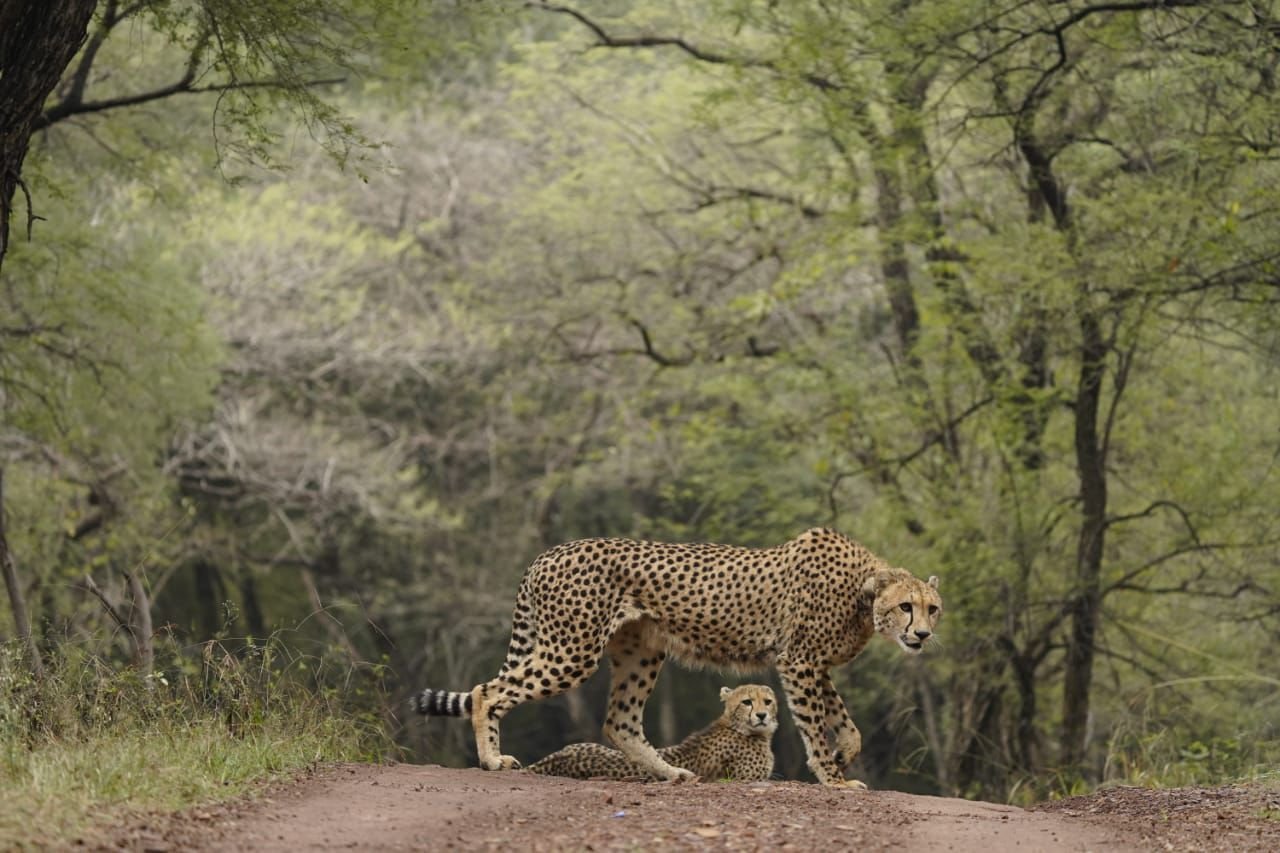
Since their arrival, the population has witnessed natural growth, with multiple females delivering cubs within Indian habitats. According to official updates from Project Cheetah, India’s cheetah count has now crossed 30, including cubs born in the wild—marking a major milestone for long-term viability.
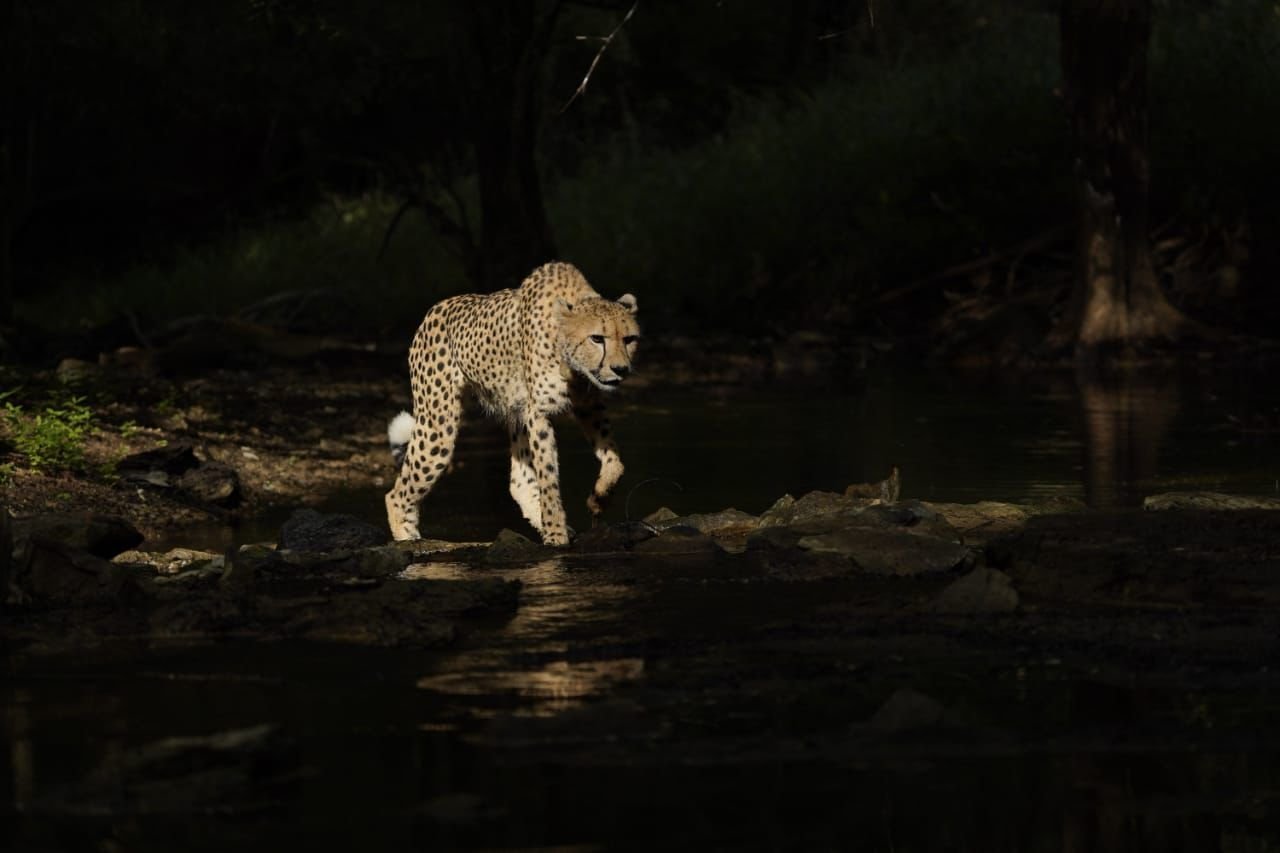
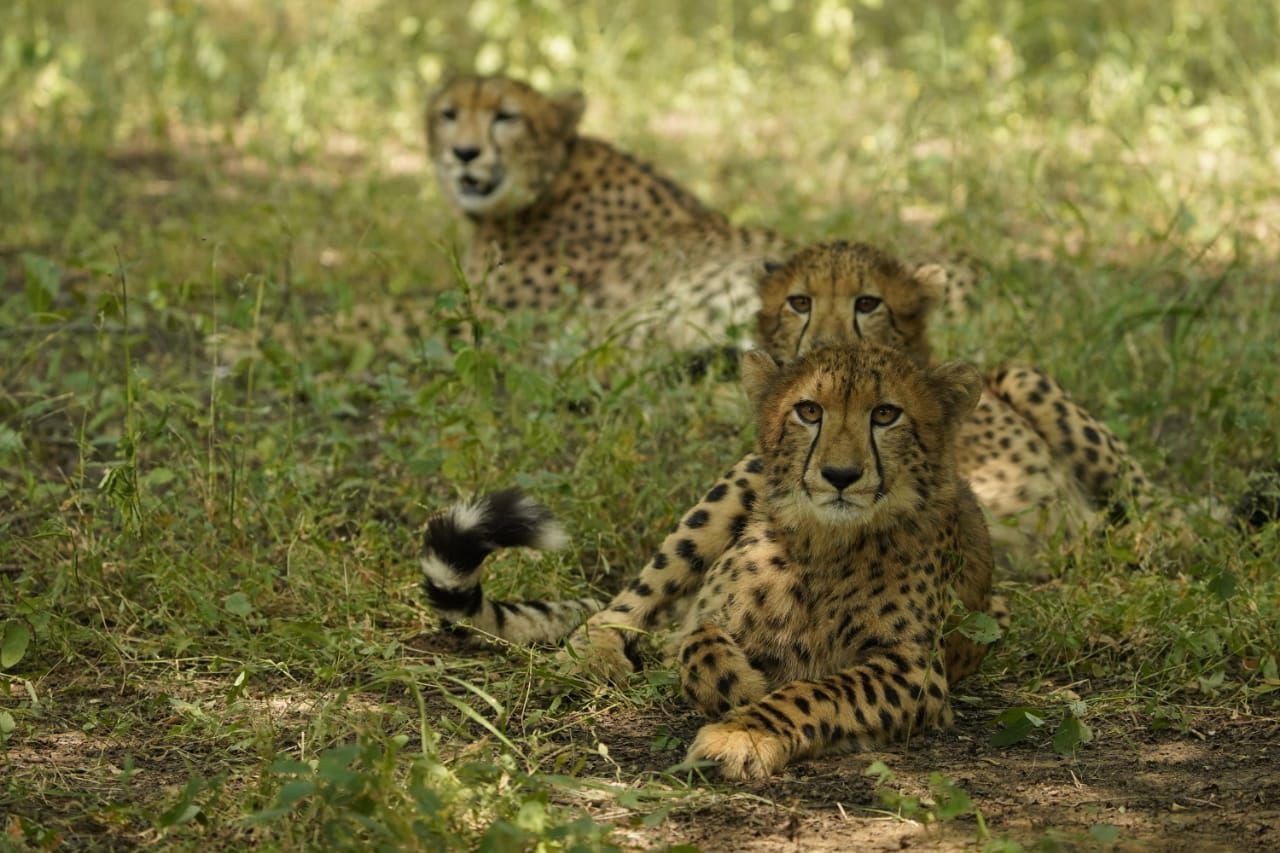
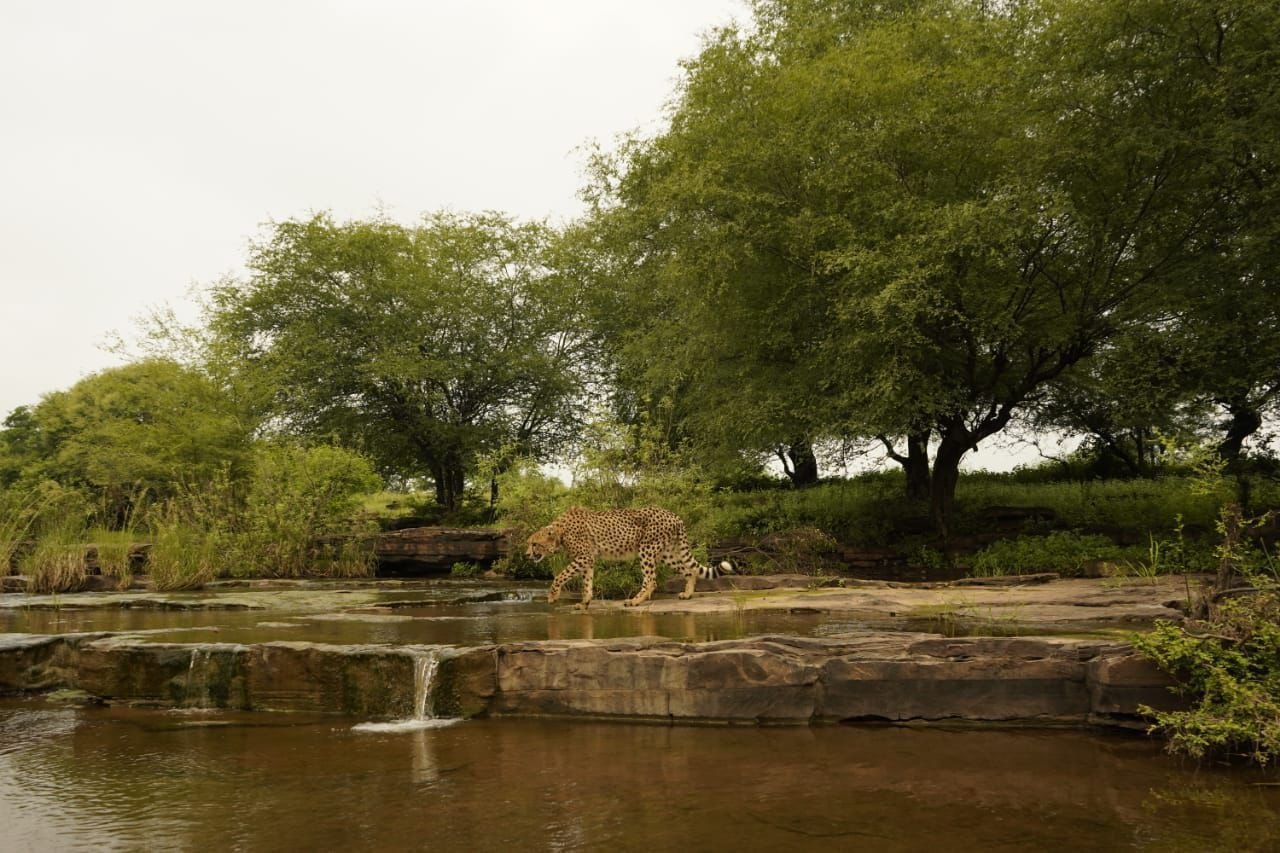
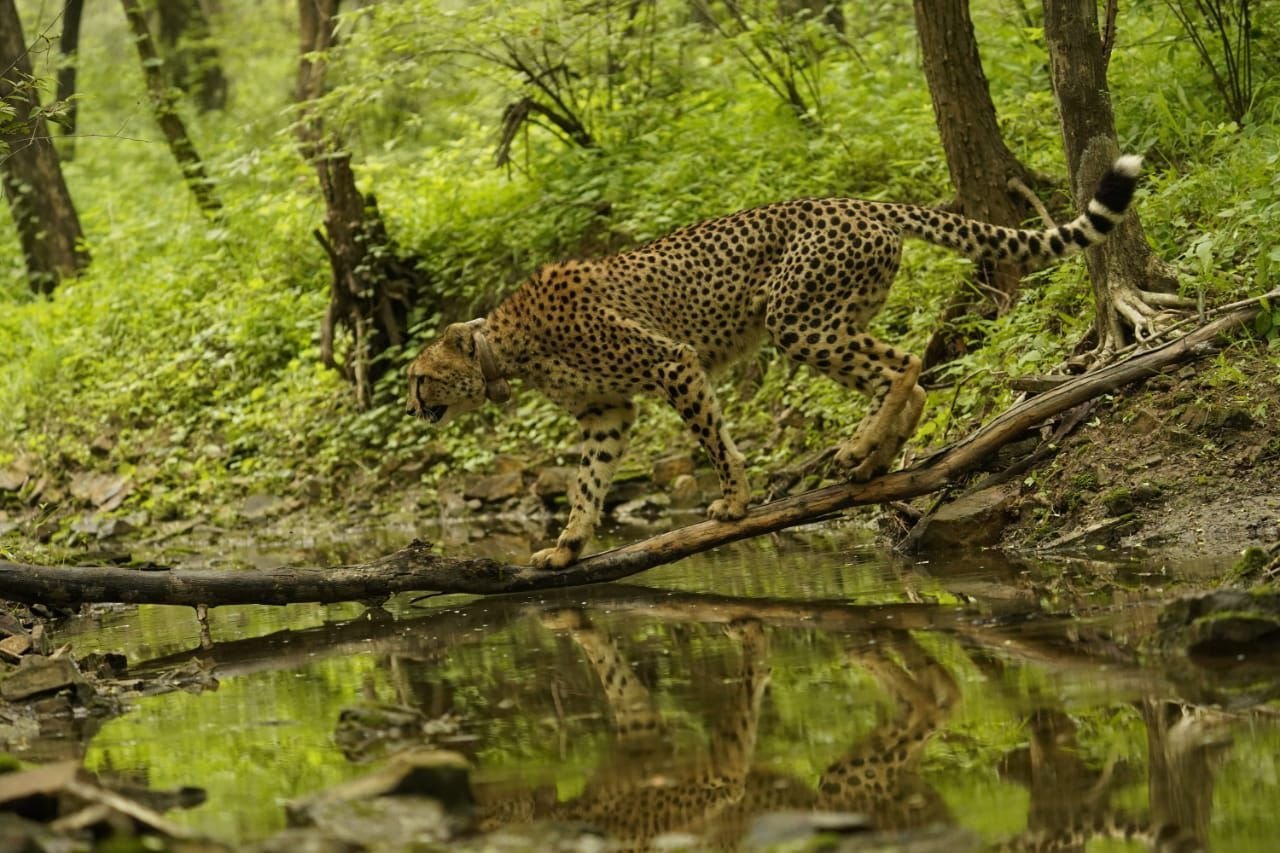
Cheetahs Now Expanding Beyond Kuno
Modi highlighted that several cheetahs are now thriving not only in Kuno but also in the Gandhi Sagar Wildlife Sanctuary, where the government recently shifted a group to ease pressure on Kuno and expand the species’ habitat range.
Officials from the National Tiger Conservation Authority (NTCA) and the Cheetah Project Steering Committee have long emphasised the need for a multi-site approach to ensure genetic diversity and sustainable breeding. Gandhi Sagar is expected to become the second major cheetah landscape in the country.
Cheetah Tourism on the Rise
The Prime Minister noted a growing interest in cheetah tourism, with thousands of visitors travelling to Kuno Reserve since controlled public access began. Wildlife experts say this interest reflects both conservation success and rising global curiosity about India’s unprecedented reintroduction programme.
Tourism officials in Madhya Pradesh report a steady rise in bookings for wildlife circuits covering Kuno, Shivpuri, and nearby forest regions—offering India an emerging eco-tourism opportunity similar to African reserves.
Role of Cheetah Mitras and Local Communities
Modi praised the contribution of Cheetah Mitras—local volunteers trained in monitoring movements, assisting forest staff, and spreading awareness in surrounding villages. Their involvement has been crucial in managing human-wildlife interaction, tracking radio-collared animals, and preventing conflict situations.
The Prime Minister said India’s cultural ethos of “living in harmony with nature” is reflected in such grassroots support.
Scientific Monitoring Continues
Wildlife biologists from Namibia, South Africa, and India continue to coordinate monitoring efforts. Radio collars, satellite tracking, and long-term behavioural studies are helping authorities assess acclimatisation, kill-patterns, health, stress factors, and habitat adaptation.
Experts emphasise that the project remains experimental, with some early mortality expected, but the successful births and survival of cubs indicate improving stability.
Also Read | India Now Home to 27 Cheetahs, 8 More to Arrive from Botswana in December