







New Delhi: At a time when the Indian rupee is slipping and markets are getting nervous the Reserve Bank of India (RBI) has intervened with a clear and stern action. The central bank has decided to cap the amount of foreign currency exposure that banks can maintain in an effort to bring stability to the fast-moving forex market.
As per the new rule, authorised dealer banks will have to maintain their net open position in USD-INR currency pair up to $100 million by the end of each trading day. This guideline will come into effect from April 10, 2026.
A net open position is simply defined as the difference between the foreign currency that a bank is buying and selling. When this gap becomes too large it creates a risk of losses by currency fluctuation. It can also cause speculative trading which makes the market more volatile.
Earlier the banks had greater flexibility in handling these positions within the limits tied to their capital. Now, RBI has introduced a fixed cap as a result of which the system is tight and controlled. The idea behind is to minimize risky bets, and ensure the smooth flow of the currency market.
Why the Rupee Falling?
The fall of the rupee in recent days is a combination of various global and local factors. One major reason is the increase of crude oil prices. Since India imports the majority of its oil, higher prices mean more dollars are required which weakens the rupee.
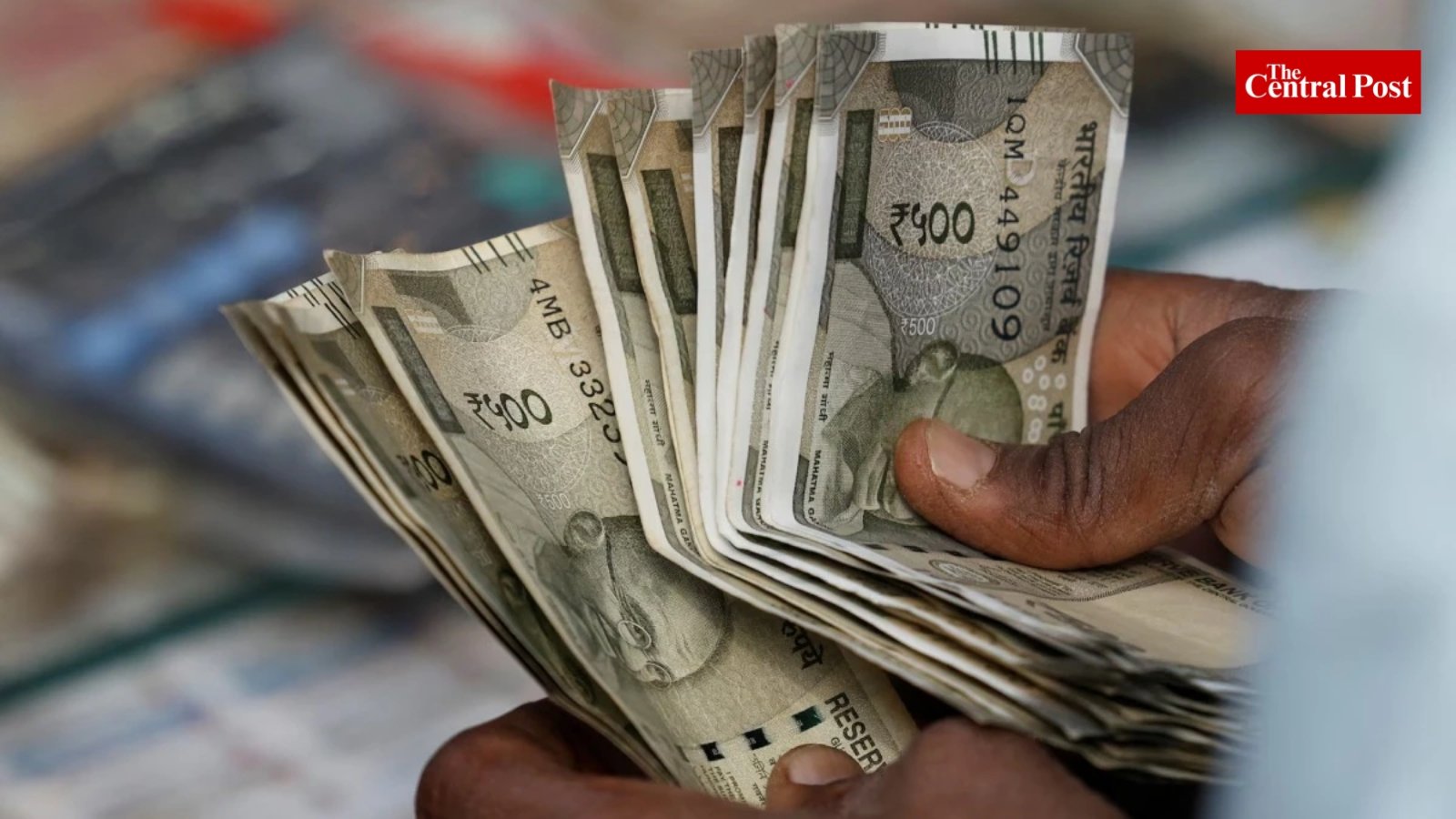
At the same time, foreign investors have been withdrawing their money from Indian markets. When such outflows occur, there is a decrease in demand for the rupee, which puts more pressure on the value of the rupee.
Another factor that is important is the strong US dollar. Globally, investors are shifting towards safer investments that has strengthened the dollar and weakened emerging market currencies such as the rupee.
RBI’s Strategy to Cope with the Situation
The RBI has been closely monitoring the situation and has already taken some measures to support the rupee. It has been selling the dollar in the forex market whenever necessary to avoid acute fluctuations. However, these actions have been balanced and shows that the central bank does not want to disturb the natural flow of the market too much.
With this new cap, the RBI is going directly at excessive speculation. By restricting the amount of open position blooded to banks it seeks to reduce sudden ups and downs in the exchange rate.
This move also sends a strong signal that the central bank is on red alert and ready to take action when needed. It is expected to bring some confidence back in the market.

For banks, the new rule means tighter control of their forex trading activities. They may not be able to take big positions as easily as before. While this may have the effect of reducing trading volumes in the short-term, it is likely to make the system more stable in the long run.
For the economy, a stable rupee is very important. A devalued currency makes imports more costly and in particular fuel, which can result in increased prices of goods and services.
What Lies Ahead?
The RBI’s move is being seen as a strong step, but the future of the rupee will still be dependent on global conditions. Oil prices, international tensions and foreign investment flows will continue to influence the currency.
The new cap is expected to curb the severe volatility and slow down rupee’s decline. However, if the external pressures persist, then more steps of RBI cannot be ruled out.
Also Read: Gautam Adani and nephew Sagar to reply in US fraud case within 90 days