








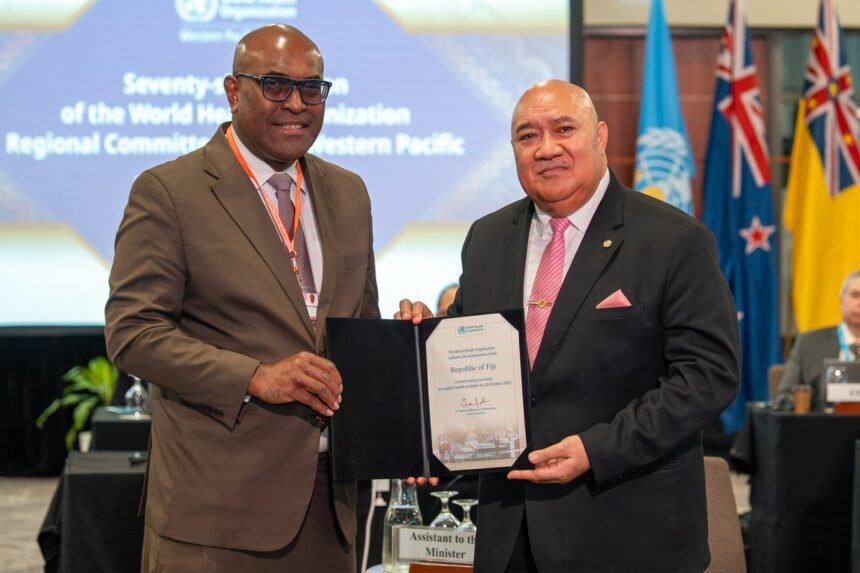
In a historical milestone in public health, Fiji was properly verified last month by the World Health Organization (WHO) as having eliminated trachoma as a public health problem, a landmark step in reducing neglected tropical diseases (NTDs). The leading infectious cause of blindness, trachoma is no longer a public health problem in Fiji, which makes Fiji the first NTD to be eliminated from the island nation in the Pacific region.
Trachoma is brought on by the Chlamydia trachomatis bacterium and is transmitted through personal interaction, infected surface touch, as well as flies that come in contact with infected people’s eye or nasal secretions. Repeated infections may lead to scarification on the eyelid, lash turning inward on the eye, and finally, permanent blindness. In the world, trachoma still infects millions of vulnerable groups of people worldwide, especially where access to clean water as well as proper sanitation is scarce.

A Historic Moment in Global Health
Fiji thus becomes part of an esteemed club of nations as the 26th country in the world to eradicate trachoma as a public health problem and 58th to eradicate at least one of the neglected tropical diseases. WHO Director-General, Dr Tedros Adhanom Ghebreyesus, celebrated Fiji’s achievement, saying, “WHO congratulates Fiji and its constellation of international and local partners on achieving this milestone. Future generations of Fijians have been bequeathed a valuable inheritance in being freed from the misery that trachoma has visited on their forebears.”
WHO Western Pacific Region Director Dr Saia Ma’u Piukala contributed broader regional meaning of Fiji’s triumph thus: “Fiji’s elimination of trachoma is a beacon of what’s possible when communities, governments, and partners come together behind a common vision. This is a celebration of the strength of Pacific leadership and the power of sustained investment in health. WHO congratulates Fiji and is ready to stand with countries across the Region as we strive to build health for all so that no one is left behind.”
Fiji’s Journey Towards Elimination
Traditionally, trachoma was a significant public health problem in Fiji. Medical records from the 1930s and community surveys in the 1950s reported rampant infection with the consequent risk of blindness. The prevalence of trachoma significantly reduced, however, in the 1980s when cataracts and refractive error became predominant causes of visual impairment.
Feelings of complacency again arose in the 2000s when rapid surveys showed significant levels of active trachoma in children. The Fiji Ministry of Health and Medical Services then embarked on a concerted program to map the epidemiology of the condition and take decisive action.
Fiji’s Decade-Long Health Efforts Lead to Trachoma Elimination Success
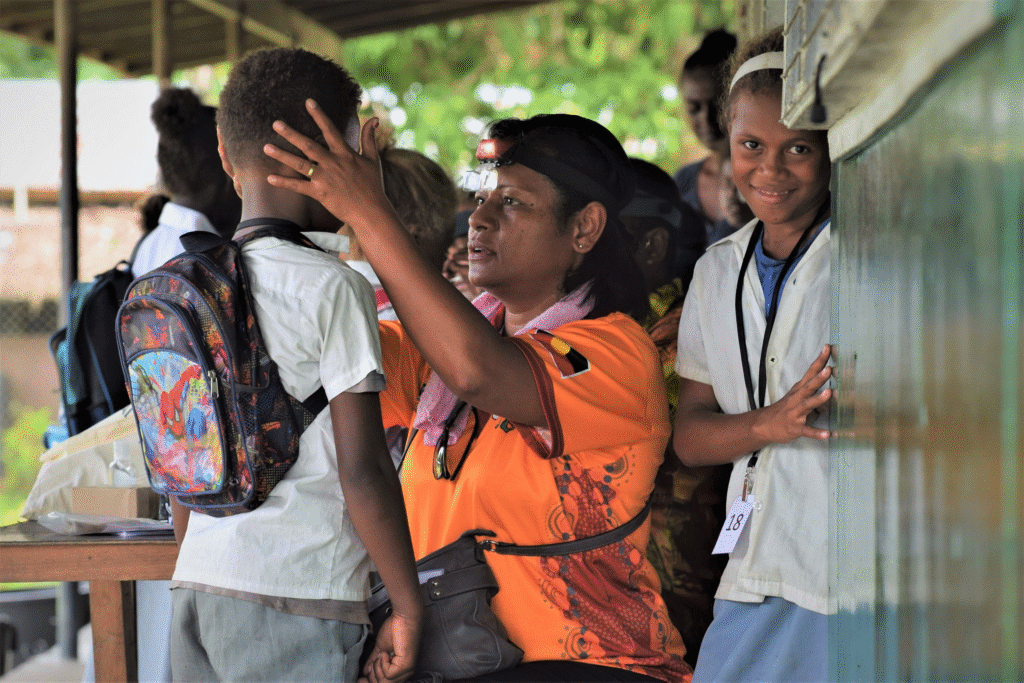
Fiji has since 2012 undertaken large population-based surveys, laboratory investigations, and research to differentiate trachoma from other eye diseases. The efforts were reinforced with integrated community-based health efforts such as school-based activities, community sensitization efforts, as well as water and sanitation enhancements. Throughout over a decade of these continued efforts, not only has prevalence of trachoma decreased but also strong systems to identify and control future cases are in place for continued long-term protection of public health. Distinguished Honourable Dr Ratu Atonio Rabici Lalabalavu, Fiji’s Minister of Health and Medical Services, emphasized joint efforts leading up to the achievement.
“This achievement is a result of years of combined efforts—within villages, across our facilities, on regional platforms—showcasing tireless efforts of our communities and health-care workers driving the change. As we mark this milestone, we urge our donors and pacific partners as well as international partners to continue investment in rapid action on neglected tropical diseases not only in Fiji but across the Pacific.”
Fiji’s Role in NTD Work Globally
These are infections that affect more than a billion people in nearly exclusively impoverished parts of tropical as well as subtropical nations. WHO’s NTDs Roadmap 2021–2030 looks ahead to 2030 with aims to stop, control, eradicate, or eliminate 20 diseases/disease groups with enabling equitable access to healthcare as well as improved quality of life for vulnerable individuals.
In the Western Pacific Region that includes 38 countries and territories, 13 Member States are now certified for having eliminated at least one NTD. Six countries—Cambodia, China, the Lao People’s Democratic Republic, Papua New Guinea, Vanuatu, and Viet Nam—have eliminated trachoma as a public health problem. Fiji’s latest milestone shows the power of combined regional efforts on health as well as unshakeable dedication to address other NTDs.
WHO continues to provide technical support, monitoring, and advocacy to support countries to sustain their achievements and eliminate remaining cases of trachoma and other NTDs. “Fiji’s achievement is not just a national success; it is evidence of the impact of international cooperation and strength of long-term investment in equity in health,” said Dr Piukala. In celebration of this historical milestone, Fiji provides a good lesson both to the Pacific region as well as other regions on how efforts can result in triumph over even recurrent public health problems through hard work, community mobilization, as well as strategic investment in healthcare.
Also Read: WHO Warns India Needs Stronger Drug Safety Measures After Toxic Cough Syrup Deaths
Also Read: 11 Million Lives Lost Annually: WHO Issues Global Brain Care Action Call