






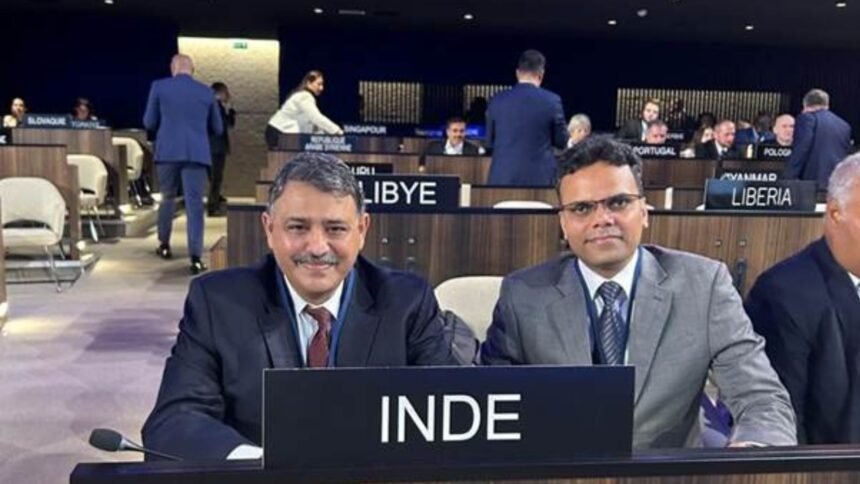
New Delhi: India just scored a major victory on the international sports stage. At the UNESCO headquarters in Paris, the country was re-elected as Vice-Chairperson of the COP10 Bureau for the Asia-Pacific region. This isn’t just another title it’s a clear sign that the world trusts India to lead the fight against doping in sports.
The meeting happened from October 20 to 22, and it was special for another reason too. The International Convention against Doping in Sport turned 20 this year. Think about it two decades of countries coming together, legally bound to keep sports clean. That’s no small achievement.
Hari Ranjan Rao, who serves as Sports Secretary, led India’s team at the conference. He was joined by Anant Kumar, the Director General of NADA (that’s our National Anti-Doping Agency). Together, they represented India among delegates from over 190 countries. The room was packed with more than 500 people government officials, anti-doping experts, and sports administrators from around the globe.
Azerbaijan bagged the chairman’s position, while Brazil, Zambia and Saudi Arabia joined India as vice-chairs for their regions. It’s like a United Nations for clean sport, and India’s got a seat at the high table.
But India didn’t just show up and participate. The delegation brought something extra to the table interactive display boards that told the story of how the anti-doping movement evolved over the years. It was India’s way of saying, “We’re invested in this cause.”
Now, here’s where things get interesting. The discussions weren’t just about catching athletes who cheat. The conference dug deeper into some really modern problems. Gene manipulation, for instance. Yes, we’re talking about editing human genes to create super-athletes. Sounds like science fiction, but it’s a real concern now.
Traditional medicine also came up. Some athletes use traditional remedies that might contain banned substances without even knowing it. How do you regulate that? These are the tough questions everyone’s grappling with.
India made a strong pitch during the conference. The country proposed changes to how sports education programs work. The idea? Integrate something called VETS Values Education through Sport. It’s not just about teaching kids what’s wrong with doping. It’s about building a culture where fairness and integrity are second nature.
Money matters too. A big chunk of the discussions focused on funding the elimination of doping. These programs aren’t cheap. Testing, education, research it all costs money. And with new challenges like gene doping emerging, countries need to invest more, not less.
The conference wrapped up with everyone pledging to keep pushing for clean sport. For India this re-election means two more years (2025-2027) of active involvement in shaping global anti-doping policies. Given how serious doping scandals can derail careers and tarnish reputations having a voice in these conversations matters.
Sports fans might not always see what happens in conference rooms in Paris. But these decisions shape the games we watch and the heroes we celebrate. India’s growing role in this space shows the country isn’t just producing athletes it’s helping write the rules that keep competition fair for everyone.
Also Read | India’s Strict Decision: AI Videos Must Now Show ‘Fake’ Mark on 10% Surface Area