







New Delhi: November quietly transforms India into a traveler’s wonderland. The rains have retreated, the chill of winter is just setting in, and the skies are finally clear. It’s that short, magical window when the country’s extremes from salt deserts to coffee hills are at their most inviting.
Where the Desert Dances with Culture – Kutch, Gujarat
When November arrives in Kutch, the Great Rann turns surreal. Endless white salt plains shimmer under an unbroken blue sky, temperatures stay between 12°C and 25°C and the desert seems to breathe with life. This is when the Rann Utsav begins an explosion of color, craft and sound.
Visitors can wander through artisan villages like Bhujodi, Nirona and Khavda where Ajrakh block printers, potters and weavers preserve age-old techniques. At sunset, the salt flats glow pink and gold; by night, they mirror the stars. It’s less a festival and more an experience one that celebrates Gujarat’s spirit of artistry in the heart of nothingness.
Goa, Before the December Rush
November is Goa at its most balanced the sea calm, the air salt-sweet, the beaches open and yet the crowds still gentle. Temperatures hover around 32°C, but the humidity of monsoon has faded, leaving behind crisp blue days.
In South Goa, Palolem and Agonda offer quiet sands and lazy sunsets. In North Goa the energy picks up as shacks reopen along Baga and Vagator and the first music gigs of the season begin. The light this time of year lends a golden hue to the old Portuguese quarters of Fontainhas, while heritage landmarks like the Basilica of Bom Jesus or Chapora Fort can be explored in peace.
For a slower pace, ferry out to Divar Island or explore the wild green of Bhagwan Mahavir Sanctuary November makes even Goa’s wild corners feel serene.
Coorg – Coffee Country After the Rains
By November, Coorg (Kodagu) smells of coffee, pepper, and earth. The hills, freshly washed by the monsoon, glow a deep green. Daytime temperatures of 17°C–27°C make trekking and plantation walks blissful.
At Abbey Falls, the water roars with post-monsoon energy, while trails to Tadiandamol, the region’s highest peak, open breathtaking views of misty valleys. In the forests of Nagarhole National Park, elephants and tigers roam under the same drizzle-fed canopies.
Between adventures, sip on local brews and try Pandi Curry, the slow-cooked pork delicacy that tastes of spice and smoke perfect after a cool hill evening.
Dharamshala – Between Mountains and Meditation
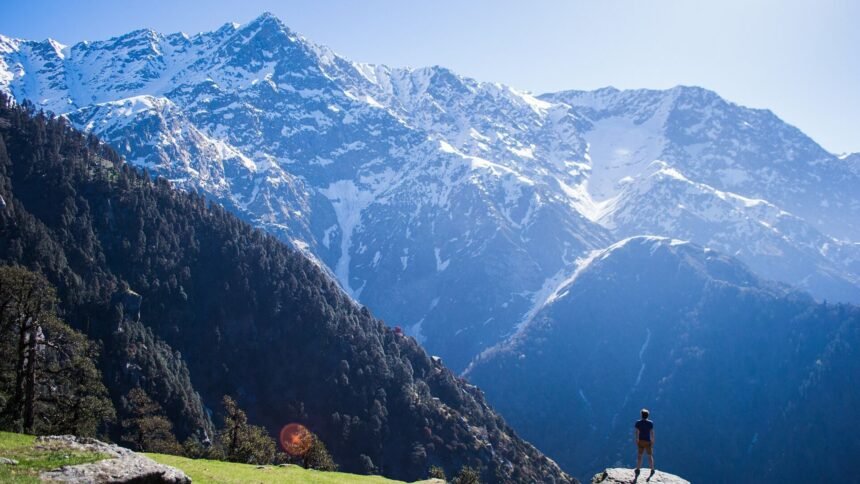
Nestled in the Dhauladhar range, Dharamshala in November feels both spiritual and scenic. The days stay cool between 11°C and 21°C, and the skies turn crystal clear ideal for treks and temple walks.
Here, faith and landscape merge. At the Tsuglagkhang Complex, the Dalai Lama’s monastery hums with chants, while the Norbulingka Institute in Sidhpur keeps the art of Tibetan thangka painting and sculpture alive. Nearby the Gothic St. John in the Wilderness Church hides in cedar woods and cafés in McLeod Ganj fill with travelers swapping stories over steaming momos.
November brings calm neither the tourist rush nor the biting cold just a peaceful stillness that makes you stay a little longer.
Kohima – Where the Hills Celebrate Heritage
In Nagaland, November marks the return of song, dance, and community. The cool mountain air (around 10°C–20°C) carries the rhythm of the Hornbill Festival, which begins mid-month in Kohima.
Seventeen tribes of Nagaland gather to share their traditions each performance a glimpse into a way of life that thrives in rhythm with nature. The festival, called the Festival of Festivals, transforms the hills into a celebration of music, crafts and unity.
Beyond the festival, travelers can trek through Dzukou Valley visit Khonoma India’s first green village or admire local woodcarvings and textiles that reflect centuries of heritage.
Why November Matters
Traveling in November is about balance before the tourist rush, after the rains, when the land itself feels alive and generous. From Gujarat’s silver deserts to Nagaland’s green hills, India in November invites travelers not to chase destinations, but to experience moods.
It’s a reminder that the most beautiful journeys aren’t found on a calendar they’re lived in the quiet in-between of seasons.
Also Read | Kaziranga National Park: India’s Living Legacy of the One-Horned Rhino