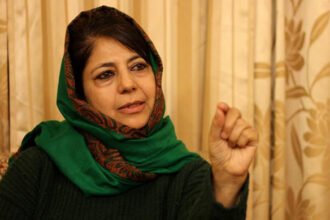









In Indian household, reusing your elder brother’s shirt or trousers, or wearing your grandma’s old saree and kurti have been a long form of tradition. The tradition has now become a fancy digital age trend.
Today, buying people’s previously owned clothes and accessories is popular. After the Covid pandemic, the value of the second-hand apparel market rose to $211 billion, a number that is expected to rise as the thrifting culture gains momentum across the globe.
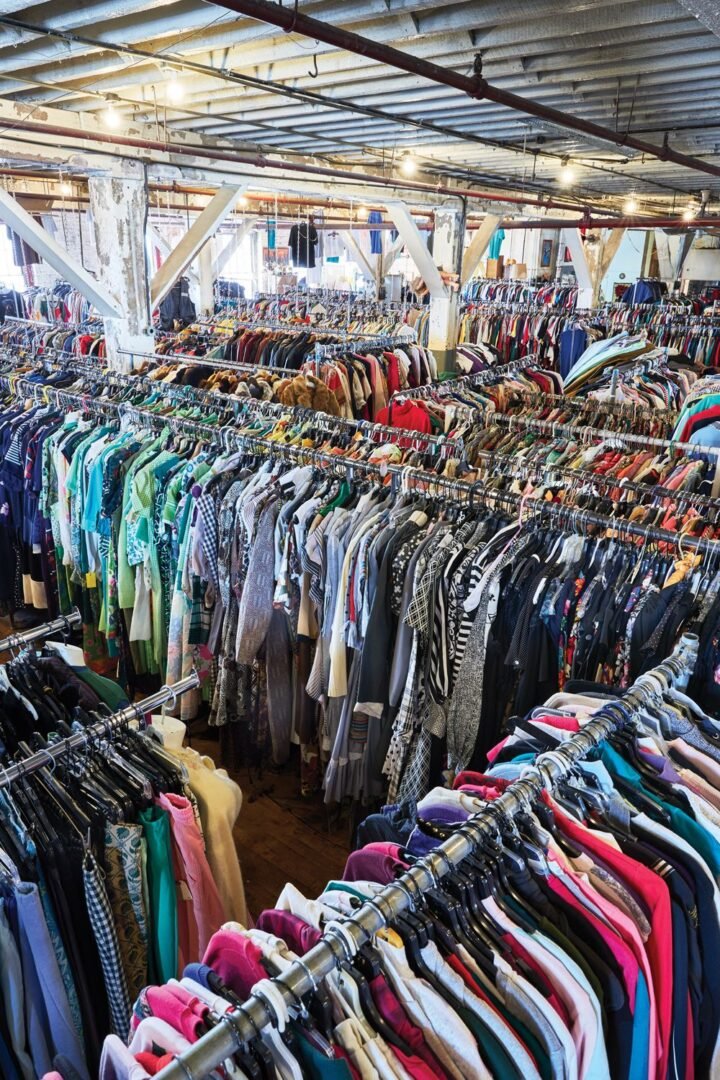
Environmentalists have for many years reported concerns regarding waste generation, carbon emissions, and labour exploitation in the clothing industry, which thrives on creating products that are poorly made to keep up with fashion trends. In a highly consumerist world, with too many clothes dumped in landfills, will thrifting be the answer to our fast-fashion problems?
What is Thrifting?
Thrifting refers to second-hand or pre-owned goods bought at a cheaper price than their original ones. The concept is typically Western where one could find great clothes or accessories at lower prices in thrift stores, garage sales, or even flea markets at heavily discounted rates. Anecdotally, it often leads to finding vintage designer finds at really cheap prices.
In India however, the concept wasn’t so popular because of the cultural norm where wearing second-hand clothes wouldn’t an option at all. That, however, is changing. The thrift market has experienced significant growth globally in recent years. According to a recent report by ThredUp, a global thrift retailer, the global second-hand apparel market expanded by 18% last year, reaching a value of $197 billion.
It is expected to continue growing at a pace three times faster than the overall apparel market, with projections indicating it will reach $350 billion by 2028.
The Rise of Thrift Culture in India
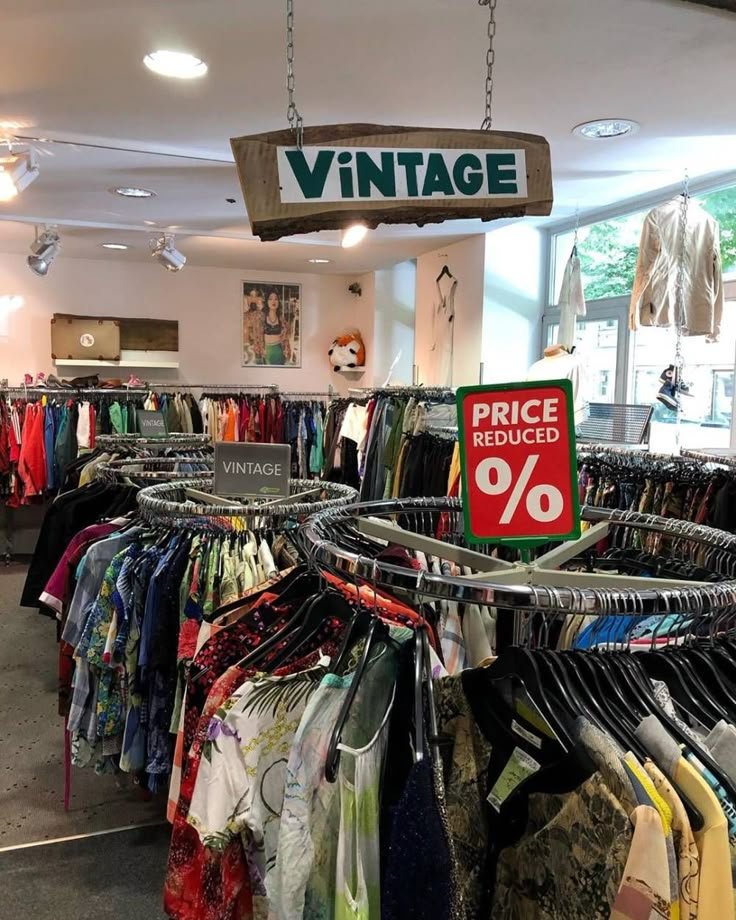
Thrift shopping in India has evolved beyond traditional flea markets and second-hand street stalls. Online platforms, social media pages, and curated Instagram stores have made it easier than ever for consumers to access high-quality pre-owned fashion.
Digital platforms such as Elanic, Kiabza, Handlooom.com ( Handloom Pre Loved Store ) and CoutLoot have paved the way for a structured second-hand fashion industry, with peer-to-peer resale platforms gaining traction. More recently, major e-commerce giants like Myntra and Flipkart have started exploring sustainable resale options to tap into this growing market.
This shift is driven by multiple factors:
- Affordability: With rising inflation and a volatile economy, many Indians, especially students and young professionals, find thrift shopping an economical alternative to expensive branded clothing.
- Sustainability Awareness: The growing consciousness about environmental issues, particularly the carbon footprint of fast fashion, has encouraged consumers to adopt circular fashion.
- Unique and Vintage Appeal: Unlike mass-produced garments, thrifted clothes offer exclusivity, allowing buyers to own one-of-a-kind pieces at a fraction of the cost.
- Celebrity Influence & Social Media Trends: With influencers and celebrities openly embracing pre-owned fashion, thrifting has become trendy rather than stigmatized.
The Environmental and Ethical Factor
With textile waste becoming a global crisis, second-hand shopping is not just a trend—it’s a necessity. The fashion industry is responsible for 10% of global carbon emissions and 20% of global wastewater. In India, where textile waste management remains a challenge, thrifting plays a crucial role in reducing waste and promoting circular economy principles. Additionally, ethical concerns regarding sweatshop labor in fast fashion brands are pushing consumers toward second-hand alternatives that do not contribute to exploitative manufacturing practices.
Challenges & The Road Ahead
Despite its growing popularity, thrift shopping in India faces some roadblocks:
- Stigma Around Second-Hand Goods: Some sections of Indian society still associate second-hand clothing with financial hardship rather than sustainability.
- Quality Assurance & Hygiene Concerns: Unlike international resale platforms that authenticate and refurbish products, many Indian thrift platforms still lack standardized quality checks.
- Limited Awareness: While urban consumers are rapidly adopting thrift culture, rural areas still have limited exposure to the concept of fashion resale.
Will this culture survive in India?
Thrifting in India has evolved from a budget-bound fallback to a conscious and thoughtful lifestyle. It has now become a favourable alternative for sustainability advocates, economic consumers, and fashion enthusiasts. This shift indicates a larger cultural movement rooted in the intersection of self-expression, cost-awareness and environmental ethics.
Also Read| The Sleep Paradox: Why Do You Still Feel Tired After 8 Hours of Sleep?