






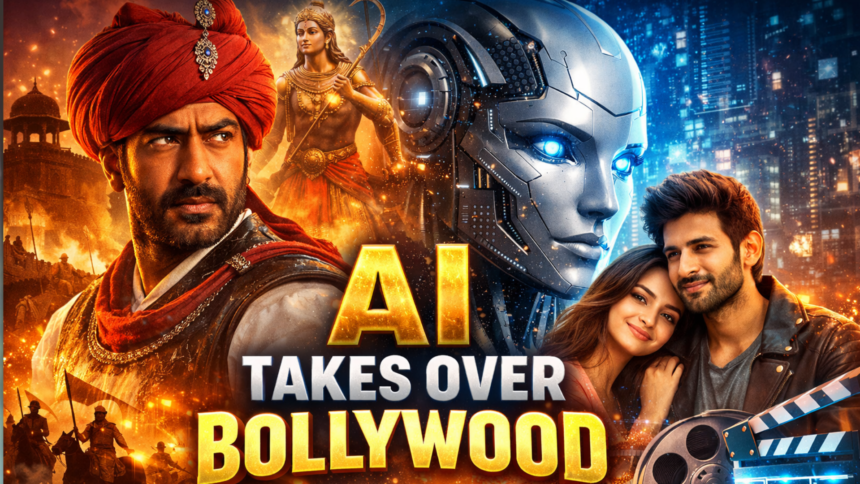
Bollywood has always evolved with time. Since black and white classics to CGI-thrilled spectacles, things have never been the same. Today, Indian cinema is standing at the door of a new phase. Artificial Intelligence is no longer a background tool. It is being integrated into storytelling, promotion and even creative decision making. This digital shift feels less like a disruption and more like a quiet renaissance.
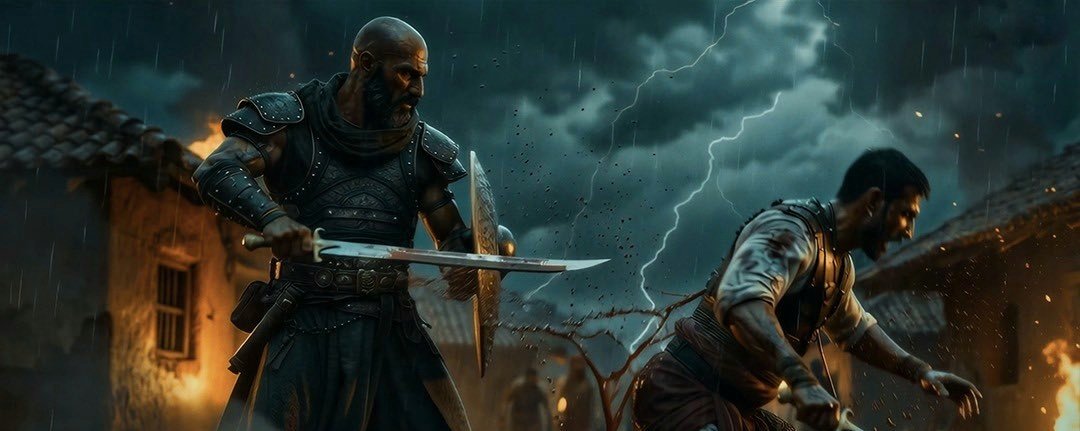
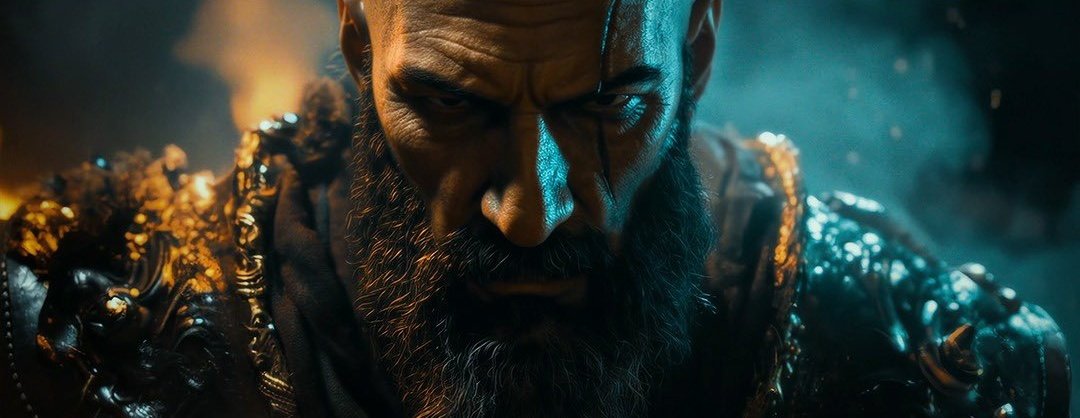
A recent example that sparked conversations is Bal Tanhaji, a bold AI-powered project that expands the world of Tanhaji: The Unsung Warrior. The initial appearance showed how AI could recreate worlds, improve images and rethink storytelling without traditional limitations. It opened up a bigger question. Is AI just a tool or is it becoming a creative partner in Bollywood?


When Technology Meets Myth, History, and Imagination
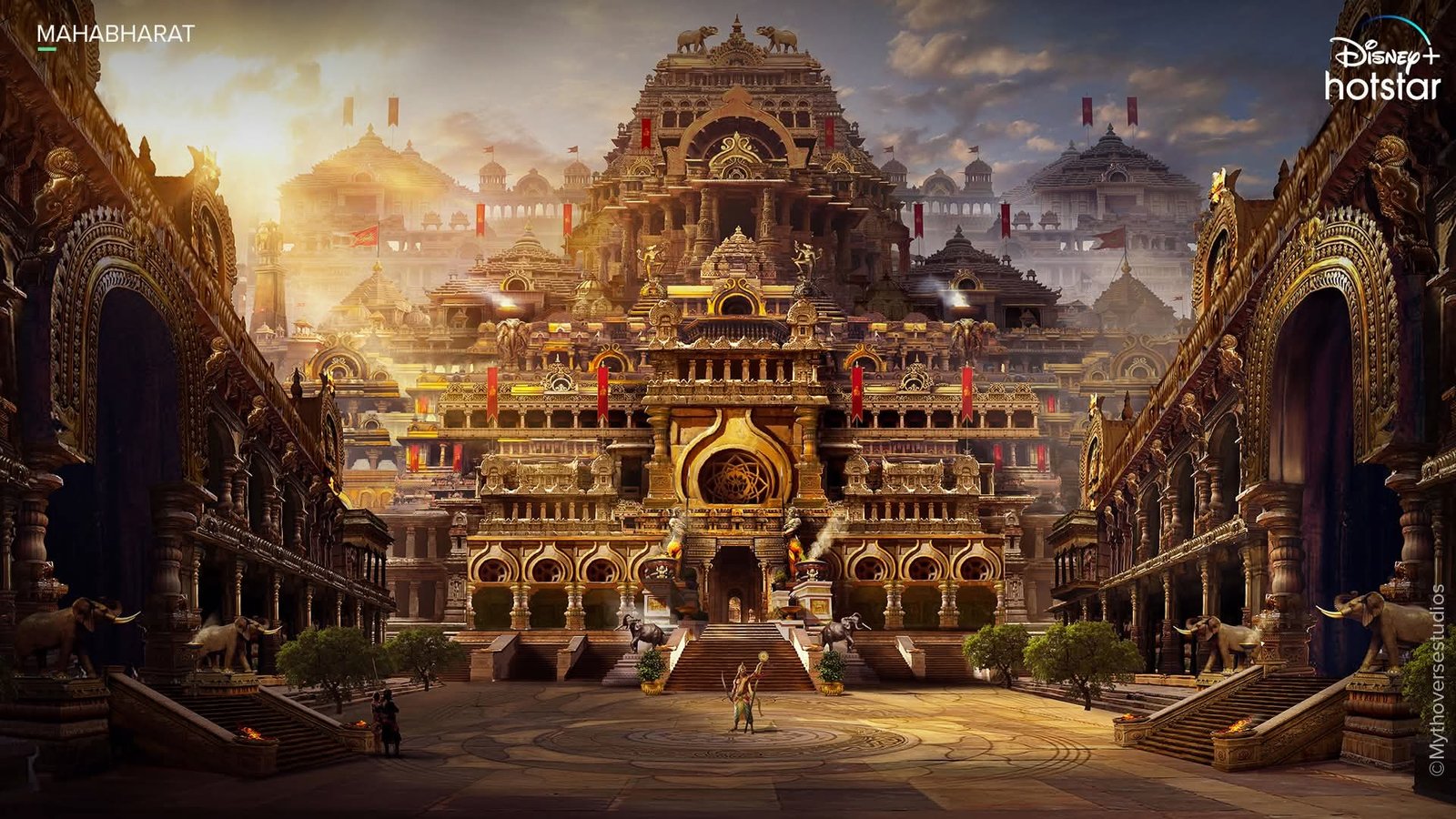
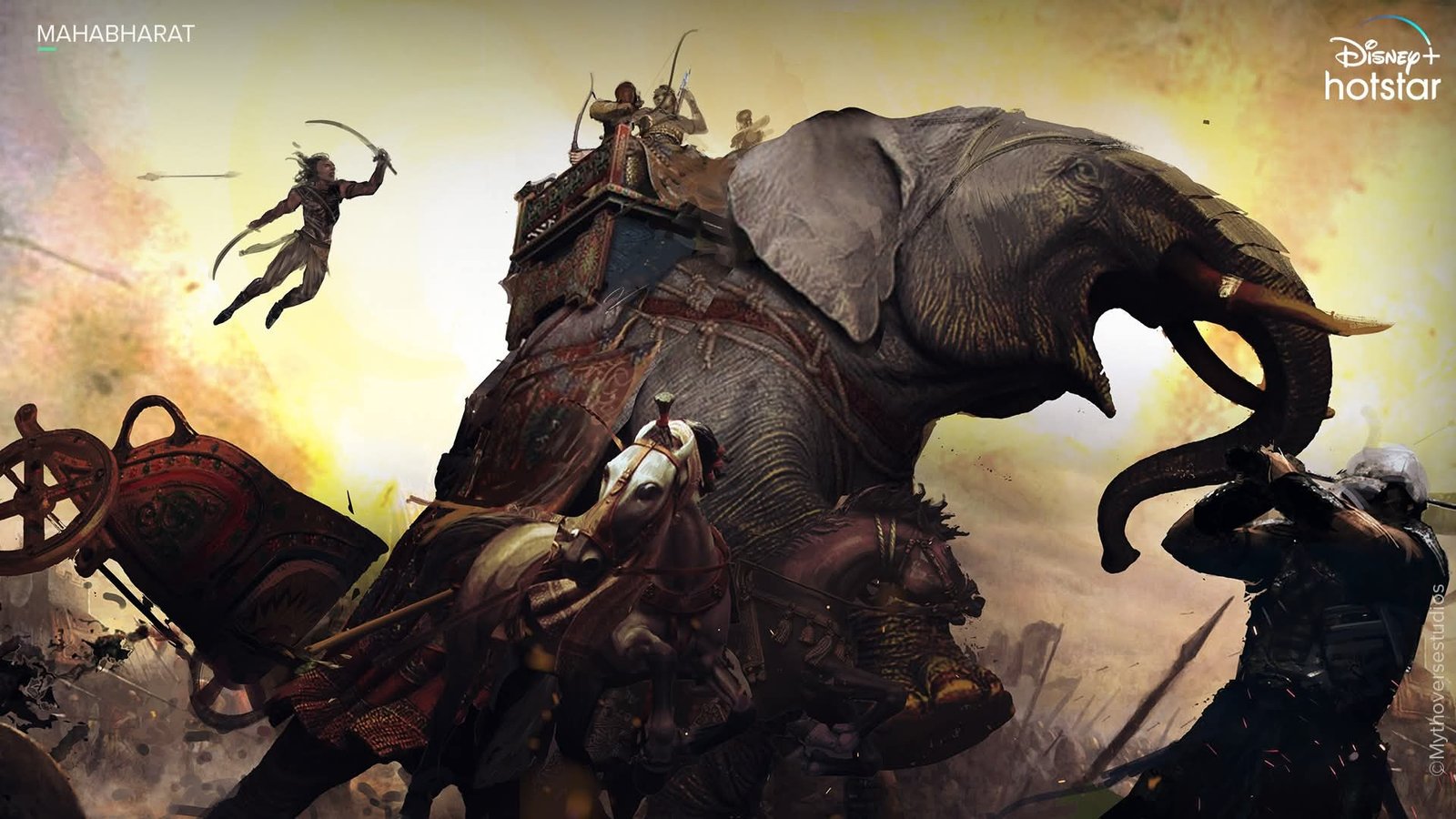
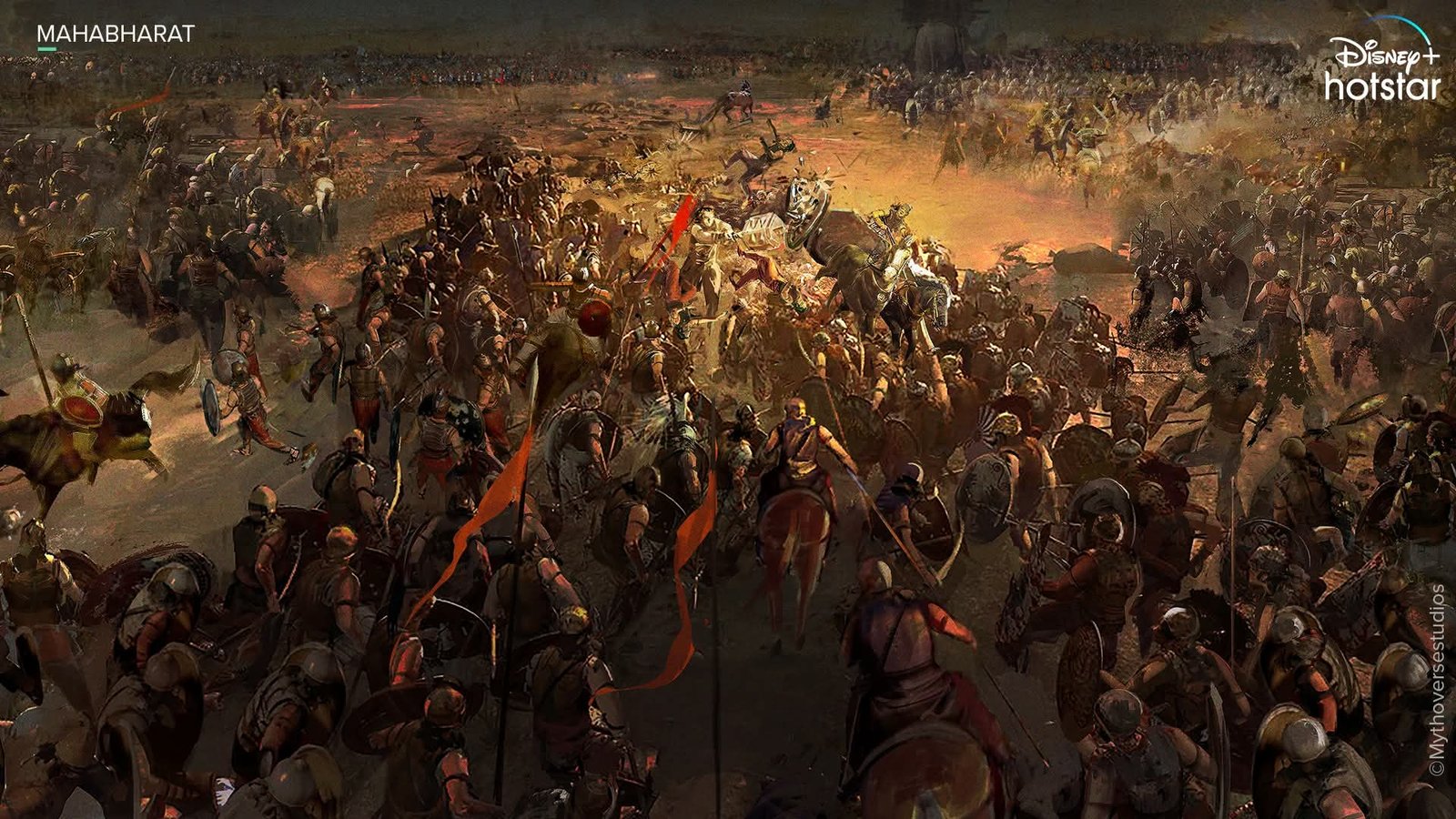
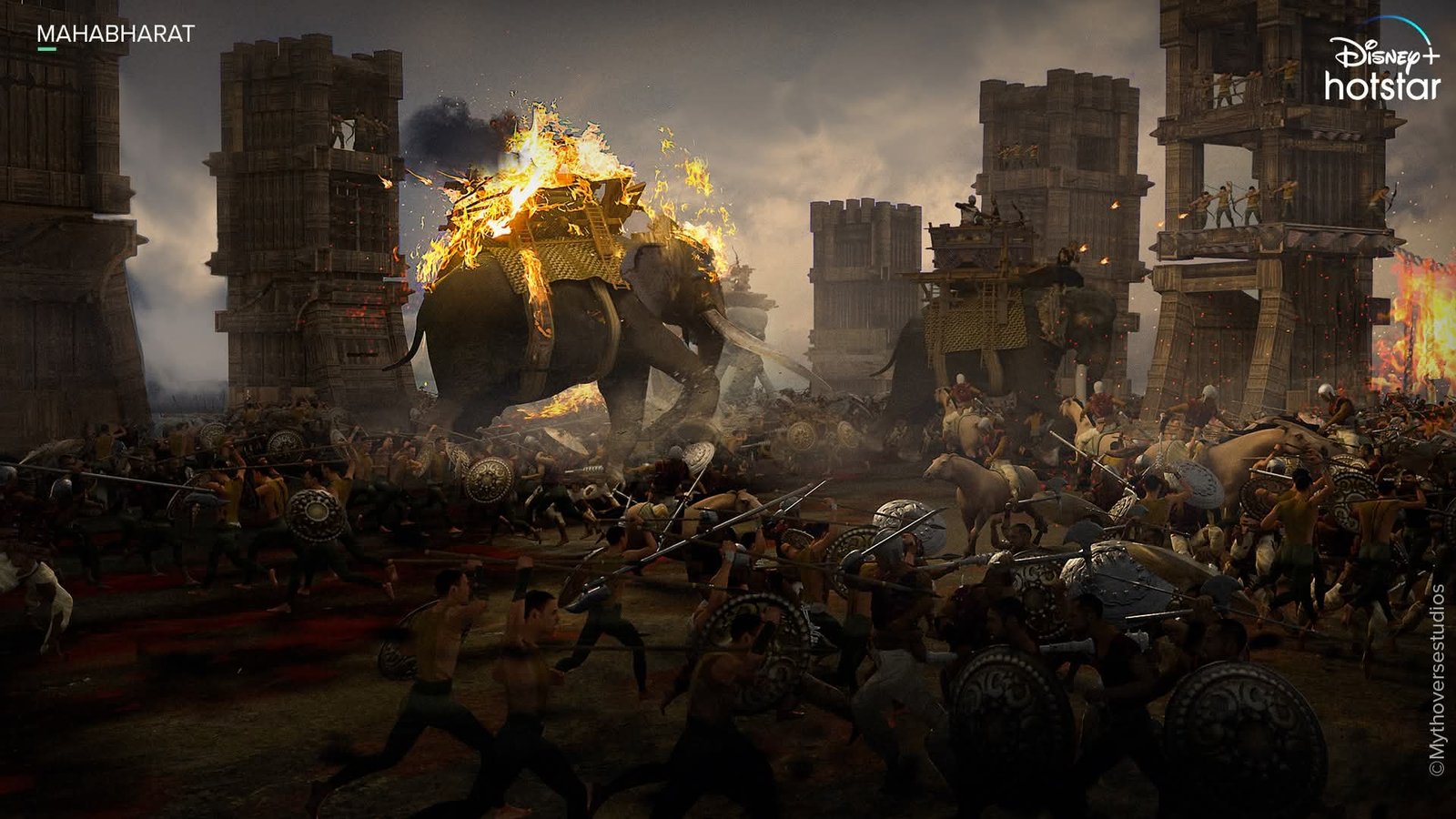
AI is now being used beyond films. The recently launched Indian web series Mahabharat Ek Dharmayudh, streaming on JioCinema and Star Plus, marks a major step. The makers have created visuals, settings, and character treatments inspired by the epic using AI-driven techniques. It is not meant to substitute the narrative but to introduce it to the audience in a more interactive and contemporary form.
Another interesting case is Tu Meri Main Tera, Main Tera Tu Meri, starring Kartik Aaryan and Ananya Panday. The film created buzz with India’s first AI-powered motion poster. The poster, created entirely with the help of AI, became viral due to its dynamic images and trending sound. It showed how promotion itself is changing. Marketing is no longer limited to photoshoots and trailers. AI is now part of a film’s first impression.
These projects show that AI is slowly entering every stage of filmmaking. Technology is making filmmakers think bigger, whether it be in the concept design and motion posters all the way up to background generation and visual enhancement.
The Good Side of AI in Bollywood
One of the biggest benefits of AI is creative freedom. Filmmakers can now visualize grand worlds even with limited budgets. AI assists in quicker pre-visualization, script breakdowns and visual planning. What earlier required months to accomplish, can be now accomplished in weeks.
Experimentation is also possible with AI. The better scale and detail could be made in historical dramas, mythological tales, and fantasy films. For writers and directors, this means fewer technical limits while imagining a story.
Another advantage is efficiency. AI can assist in editing, color correction, sound design, and even dubbing. It is time-saving and cost-effective, which is significant in a business where time delay can result in loss.
In business terms, AI-based promotion such as motion posters and online advertising aids in reaching younger audiences quicker by the films. It creates instant curiosity and social media traction.
The Other Side of the Screen
However, the rise of AI also brings serious concerns. One major fear is the loss of creative identity. Cinema is deeply personal. Stories are shaped by human emotions, lived experiences, and cultural understanding. When AI begins to make an excessive number of creative decisions, it may pose a threat of mechanical and emotionally shallow stories.
There are also ethical questions. Who owns AI-generated content? Can an actor’s face or voice be recreated without consent? Technology is becoming better, and these questions are gaining relevance.
Another concern is job security. Technicians, designers, and junior artists worry that automation could reduce opportunities. While AI creates new roles, it may also replace traditional ones if not regulated carefully.
Most importantly, AI cannot replace intuition. Even a strong scene, a silence between the dialogues, or a sudden emotional twist is the result of human instinct. Technology is able to help but not to touch.
What This Means for the Future of Indian Cinema
AI is not here to take over Bollywood. It is here to redefine the manner in which stories are being told and presented. The future is probably in balance. Movies such as Bal Tanhaji demonstrate the way AI may promote storytelling without losing its soul. Such projects as Mahabharat Ek Dharmayudh show that ancient stories may have a second life with the help of modern tools.
In the case of Bollywood, the problem is to be responsible in using AI. To be more creative should be a human aspect, and AI should be a backup but not the narrator. If used wisely, this digital renaissance could lead to richer visuals, smarter storytelling, and more diverse narratives.
Indian cinema has always reflected its time. Today, that reflection includes algorithms, data, and digital imagination. The heart of Bollywood has always been beating with the feeling, drama and music. AI is simply adding a new rhythm to it.
Also Read | Ajay Devgn Unveils AI Powered Spin Off ‘Bal Tanhaji’, Opens a New Chapter in Indian Storytellin