







New Delhi: In a moment of pride for India’s cultural landscape, Lucknow has earned the prestigious designation of UNESCO Creative City of Gastronomy. This recognition places the Uttar Pradesh capital alongside celebrated food destinations worldwide, acknowledging centuries of culinary excellence that have defined the city’s identity.
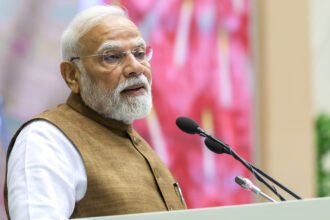
Prime Minister Narendra Modi welcomed this achievement with enthusiasm, highlighting how the city’s soul is intricately woven with its extraordinary food traditions. Responding to Union Minister for Culture and Tourism Gajendra Singh Shekhawat’s announcement on social media platform X, the Prime Minister wrote:
Lucknow is synonymous with a vibrant culture, at the core of which is a great culinary culture. I am glad that UNESCO has recognised this aspect of Lucknow and I call upon people from around the world to visit Lucknow and discover its uniqueness.”
A City Where Food Tells Stories
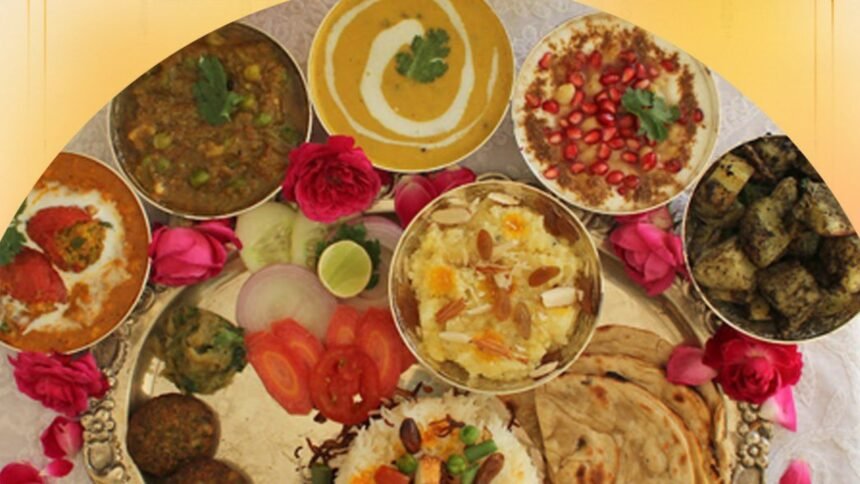
The streets of Lucknow have long been celebrated as open-air theatres where culinary artistry unfolds daily. From the legendary kebabs of Tunday Kababi to the aromatic biryanis cooked in sealed pots, the city’s food culture represents more than sustenance—it embodies history, craftsmanship, and communal bonds passed down through generations.
What distinguishes Lucknow is its ‘dum pukht’ cooking philosophy, where ingredients transform slowly over gentle heat, allowing flavours to develop depth and complexity. This technique, perfected during the Nawabi era, requires patience and expertise that modern fast-cooking methods cannot replicate. The city’s khansamas (master chefs) have safeguarded these methods zealously, ensuring authenticity remains uncompromised.
Dishes like Galouti Kebab—so tender it melts on the tongue—were reportedly created for an elderly Nawab who had lost his teeth but not his appetite for fine food. Such anecdotes breathe life into Lucknow’s culinary narrative, making every meal an experience steeped in heritage.
Joining a Prestigious Global Network
The UNESCO Creative Cities Network, established in 2004, serves as a platform where cities leverage creativity for sustainable urban development. With seven categories spanning crafts, design, film, gastronomy, literature, media arts, and music, this network connects 350 cities across 100 countries.
Lucknow now stands alongside gastronomic giants like Bangkok, Lyon, and Parma. India previously saw Hyderabad receive this honour, and now with Lucknow’s inclusion, the country strengthens its position as a keeper of diverse culinary traditions. This dual recognition demonstrates India’s vast and varied food landscape, from the Deccan’s biryani culture to Awadh’s refined kebab traditions.
Economic and Cultural Ripple Effects
Beyond prestige, this UNESCO badge carries substantial economic implications. Food tourism has emerged as a significant driver of travel decisions globally, with travellers increasingly seeking authentic culinary experiences over conventional sightseeing. Lucknow can now position itself strategically to attract these discerning visitors.
Local restaurant owners, street vendors, and culinary entrepreneurs anticipate increased footfall from international tourists eager to taste authentic Awadhi cuisine at its source. The designation also opens doors for cultural exchanges, where Lucknow’s chefs can showcase their skills internationally while learning from other creative cities.
Educational institutions may develop specialized programmes in traditional cooking techniques, ensuring younger generations inherit and innovate upon age-old recipes. Heritage food walks, culinary festivals, and cooking workshops could become regular features, creating employment while preserving intangible cultural heritage.
Challenges and Opportunities Ahead
With recognition comes responsibility. Lucknow must balance commercial growth with authenticity preservation. There’s genuine concern about traditional recipes being diluted for mass appeal or historic eateries being overshadowed by modern establishments lacking cultural roots.
The state government has indicated plans for structured initiatives supporting food heritage conservation. These might include documentation of traditional recipes, support for legacy restaurants, and quality certification programmes ensuring visitors encounter genuine Awadhi cuisine.
Infrastructure development around food tourism hubs, hygiene improvements for street food vendors, and storytelling initiatives that educate visitors about dishes’ historical contexts will be crucial. The city must evolve as a destination while protecting what makes it special—the unhurried pace, personal connections between cooks and patrons, and meticulous attention to flavour that defines its culinary soul.
As Prime Minister Modi’s invitation to global travellers suggests, Lucknow’s uniqueness lies not just in what’s served on plates but in the entire ecosystem surrounding its food culture. This UNESCO recognition validates what residents have always known—their city offers something irreplaceable to the world’s culinary map.
Also Read | Spiti Valley Declared India’s First Cold Desert Biosphere Reserve Under UNESCO’s MAB Programme