






New Delhi: A key United Nations wildlife trade body has decided not to restrict India from importing endangered animals, reversing an earlier stringent recommendation that had been issued following a review of the private zoo associated with Asia’s richest family.
The decision was made by the Standing Committee of the Convention on International Trade in Endangered Species of Wild Fauna and Flora (CITES) during its meeting in Uzbekistan on Sunday.
The Vantara Controversy
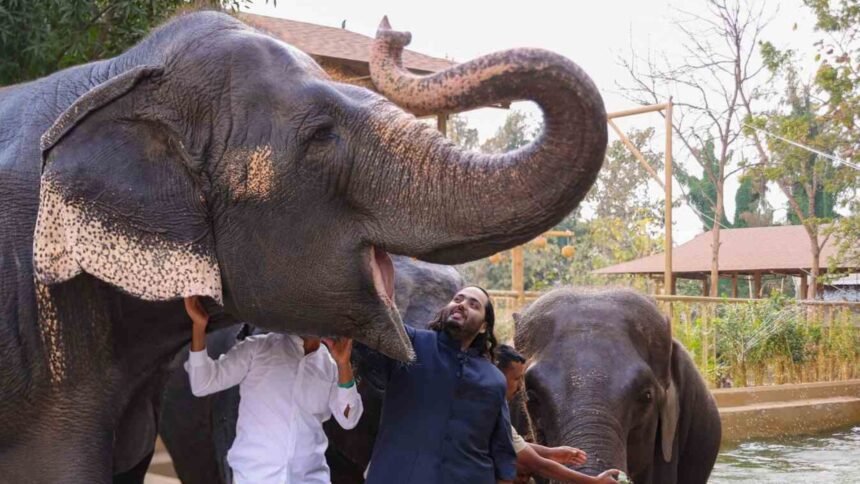
The controversy centers around Vantara, a 3,500-acre rescue and rehabilitation center in Gujarat run by the philanthropic arm of the Reliance conglomerate, led by the family of Mukesh Ambani. The facility had faced scrutiny and allegations from non-profit and wildlife groups regarding the improper import of some animals, prompting closer attention from countries like Germany and the European Union.
Following a visit to the facility in September, the CITES Secretariat had issued a report this month that cited “discrepancies” between exporter and importer trade data. Based on these findings, the report recommended that India “not issue any further import permits” for endangered species.
Recommendation Overturned
However, the CITES Standing Committee voted to reverse the restrictive measure. India, supported by a consensus of countries including the United States, Japan, and Brazil, argued that the recommendation was “too premature” and that there was no conclusive evidence of illegal imports into the country.
Naimah Aziz, Chair of the CITES Standing Committee, told delegates that there did “not seem to be enough support for retaining (the) recommendation,” effectively lifting the proposed restriction.
While India affirmed its commitment to CITES compliance, the reversal faced criticism from conservation groups. Belgium and at least one organization, the Pan African Sanctuary Alliance (PASA), pushed to suspend exports to India until the welfare and sourcing concerns were fully addressed.
This CITES decision follows an earlier development in September, where an Indian Supreme Court-appointed investigation cleared Vantara of legal and ethical violations, leading to the closure of pending court petitions against the facility.
Also Read | India-born Cheetah ‘Mukhi’ Gives Birth to 5 Cubs, Marking Historic Breakthrough for Project Cheetah