







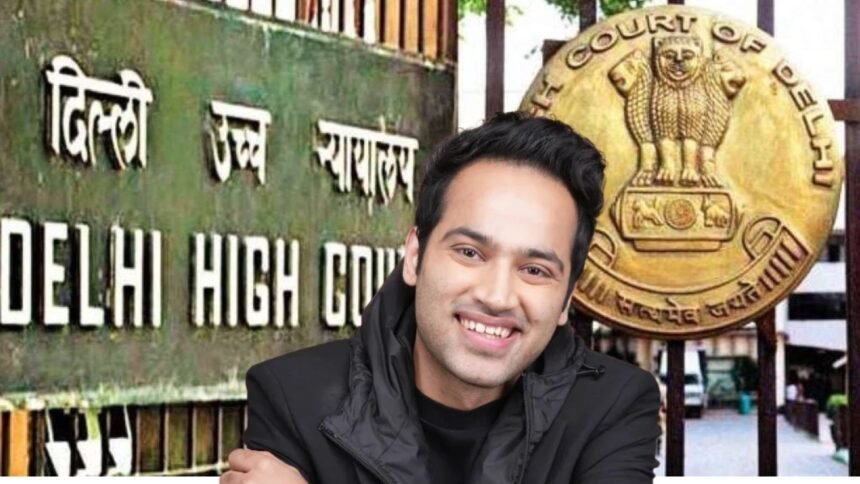
New Delhi: In a significant ruling for digital content creators in the AI era, the Delhi High Court on Monday granted interim protection to popular podcaster and influencer Raj Shamani against widespread misuse of his name, image, voice, and online persona through deepfakes and fraudulent endorsements.
The Case: Identity Theft in the Digital Age
Shamani, host of the widely-followed show “Figuring Out With Raj Shamani,” approached the court after documenting extensive unauthorized use of his identity. With 13.2 million YouTube subscribers and a massive presence across digital platforms, he has become a prominent voice through his intellectual interviews with major figures in business, politics, and culture.
His petition detailed how AI-generated deepfakes, edited video clips, and fake endorsements were exploiting his face and credibility to promote betting platforms, dubious cryptocurrency schemes, and other products without his consent.
Multiple Vectors of Misuse
According to the plea, the misuse extended across various platforms and formats:
- Fake advertisements on social media
- Scam Telegram accounts operating in his name
- Booking websites fraudulently offering his services for events
- Vulgar parody videos that mislead viewers and erode public trust
- AI-manipulated content using his voice and likeness
Court’s Balanced Approach
Justice Manmeet Pritam Singh Arora granted interim relief on specific, evidenced cases of misuse but rejected Shamani’s request to block all hashtags containing his name.
“You’re a public persona. You will have to give that much leeway,” the judge observed, noting that hashtags are also used for legitimate reportage and commentary.
A Precedent for Indian Creators
Shamani has positioned the case as more than a personal legal battle—framing it as a path-breaking effort for other Indian content creators facing AI-driven identity theft. The ruling provides formal judicial acknowledgment that a digital identity—encompassing name, face, voice, and online persona—constitutes intellectual property that can be legally protected and enforced.
The matter now moves into the enforcement phase, with platforms and legal teams expected to remove existing violations and implement measures to prevent future impersonation.
The Broader Context
The case arrives at a critical moment as India’s content creator economy grows rapidly while AI-powered deepfake technology becomes increasingly sophisticated and accessible. Legal experts suggest this ruling could establish important precedents for personality rights protection in the digital space, particularly as traditional legal frameworks struggle to keep pace with AI-generated content challenges.
Also Read | Delhi High Court Grants Hrithik Roshan Urgent Relief Against AI Deepfakes and Identity Misuse