







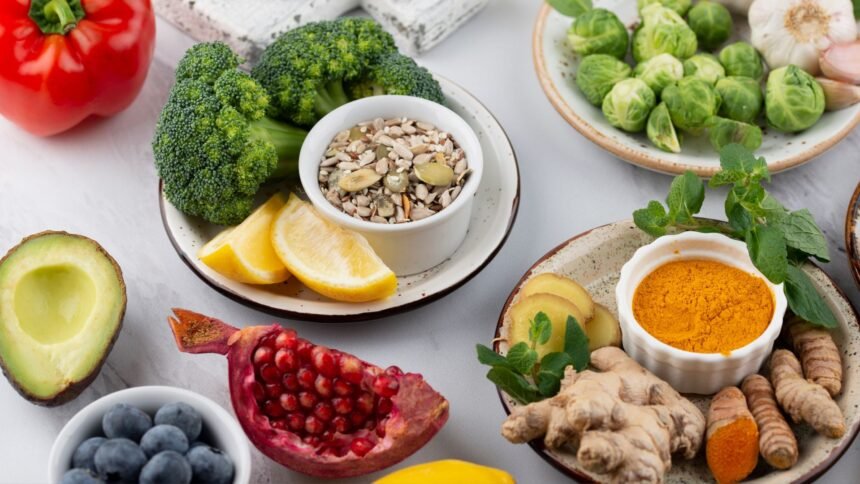
Remember how your grandmother (dadi) would chase you around with a spoonful of amla murabba every morning? Turns out she was onto something big. Winter isn’t just about cozy blankets and hot chai it’s when your immune system needs serious backup. And the foods sitting in your kitchen right now might be your best defense.
Here’s something that’ll surprise you: research from 2022 discovered that cold air actually suppresses your nose’s immune response by 42%. That’s almost half your natural defense gone, just from breathing chilly air. No wonder everyone’s sniffling by December.
The cold truth about winter immunity
Your body works differently in winter. Those mucous membranes that normally trap germs? They dry out. Vitamin D levels? They drop because you’re hiding indoors. Blood circulation slows down too, meaning fewer immune cells patrolling your system. It’s basically an open invitation for every cold and flu virus in town.
But traditional Indian foods pack a serious punch against all this. Let’s talk about the real MVPs.
Small fruit, massive power
Amla might look unimpressive, but it contains 20 times more vitamin C than oranges. Think about that for a second. One tiny piece gives you 10 times your daily vitamin C needs. This isn’t just about preventing scurvy vitamin C actually tells your white blood cells to multiply and fight harder. It’s like sending reinforcements to a battle.
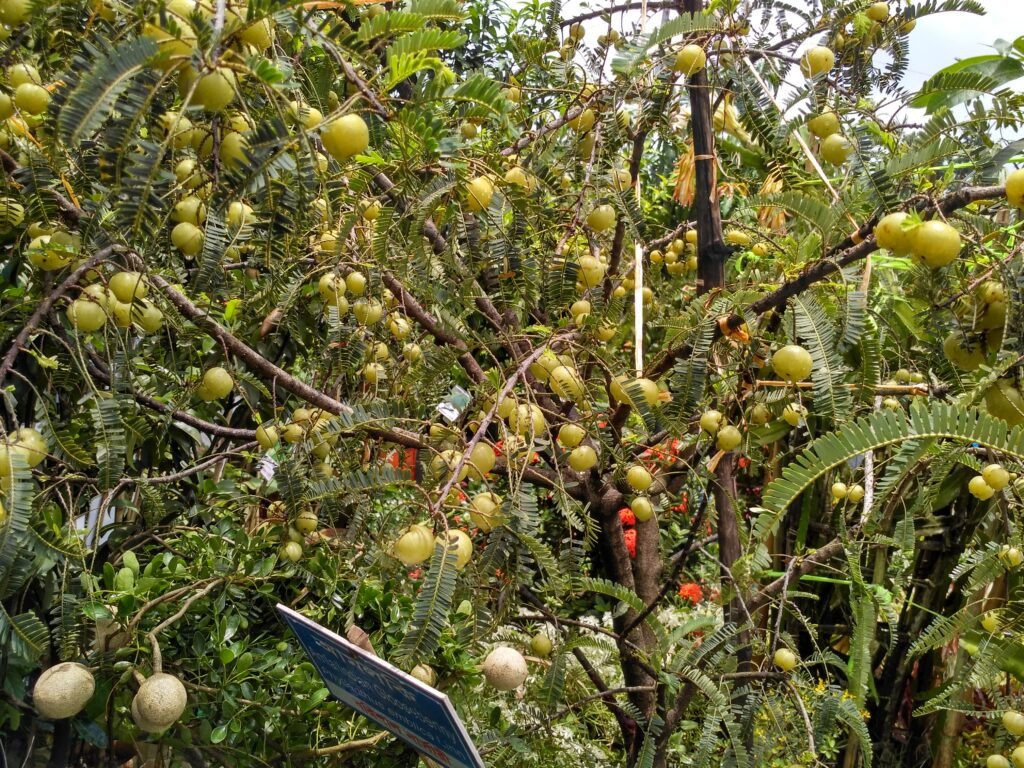
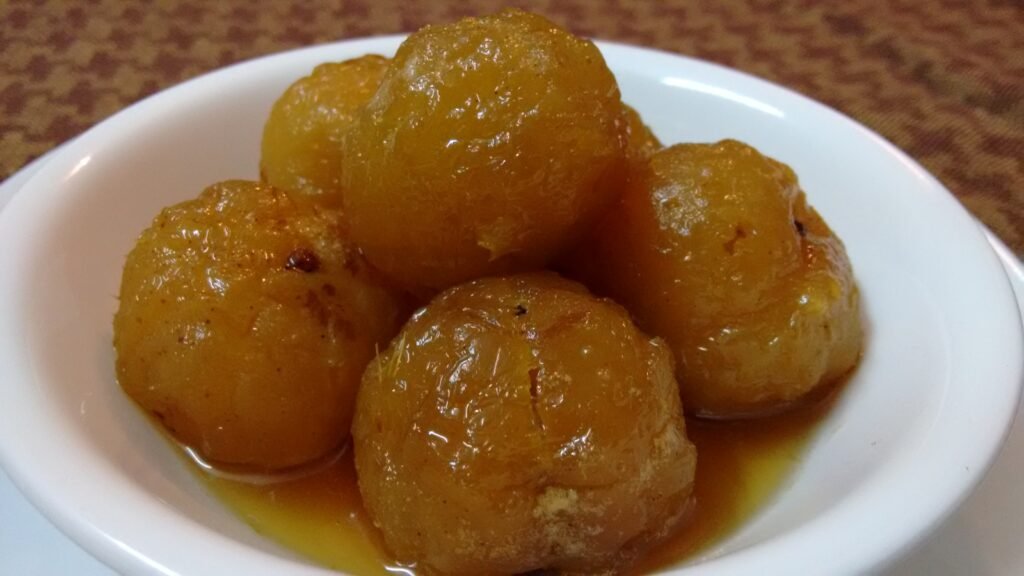
The trick? Don’t just eat it once and forget about it. Have one or two pieces of amla pickle with lunch daily. If you can handle the sweet version (amla murabba), pop one in your mouth first thing in the morning. Your immune cells will thank you by actually showing up when viruses attack.
Guava works similarly but tastes way better. Two medium guavas pack the same vitamin C punch without the sour face.
The underground heroes
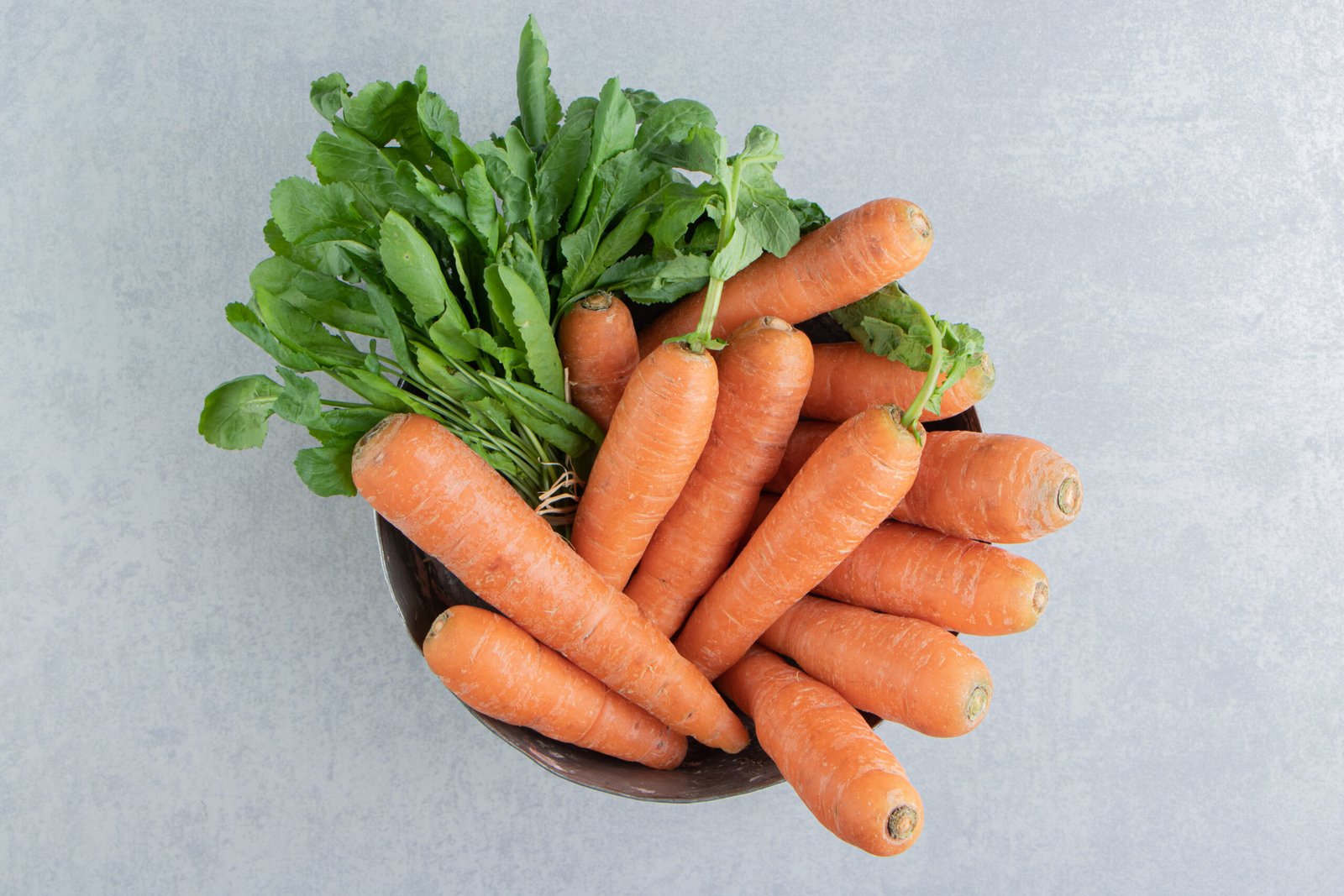
Ever wonder why every Indian household makes gajar ka halwa in winter? It’s not just tradition it’s smart nutrition. Carrots burst with beta-carotene, which your body converts into vitamin A. And vitamin A does something crucial: it maintains those protective barriers in your respiratory tract. The mucous membranes that dried out from cold air? Vitamin A keeps them strong and functional.
Sweet potatoes do the same job but better. One medium sweet potato gives you more than 400% of your daily vitamin A needs. Roast it, mash it, or make halwa just eat it regularly. The purple ones contain bonus anti-inflammatory compounds that work three times better than blueberries.
Green is your friend
Spinach and methi might not excite your taste buds, but they’re working hard behind the scenes. Spinach delivers iron essential for carrying oxygen to every immune cell in your body. Without enough iron, your immune response literally can’t function properly. Meanwhile, methi (fenugreek) brings serious zinc content, which activates T-cells that recognize and destroy infected cells.
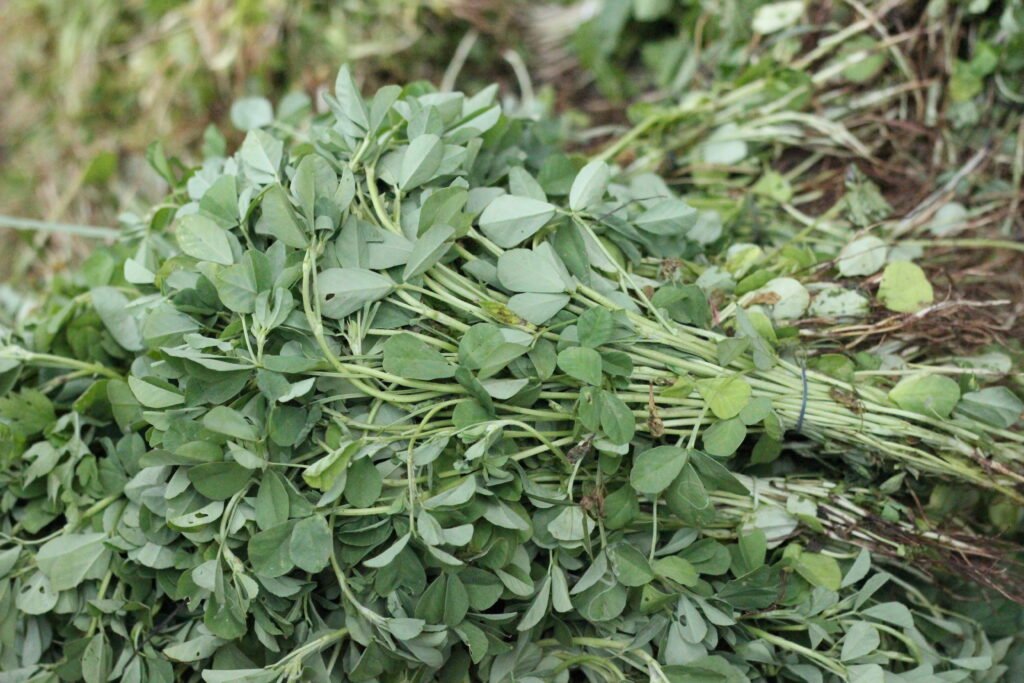
Make methi parathas for breakfast or toss palak into your dal. Just don’t overcook them. Add greens in the last five minutes of cooking to preserve their nutrients.
The spice cabinet pharmacy
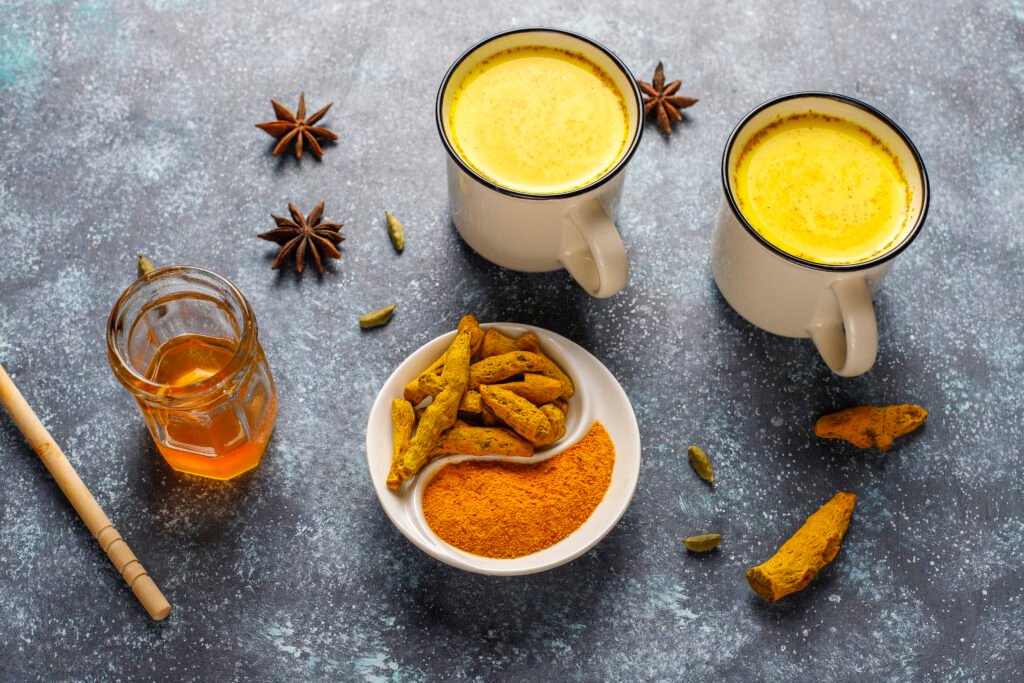
Here’s where Indian cooking shows its genius. That turmeric sitting in your masala dabba? It contains curcumin, which modulates your entire immune system not just boosting it randomly, but actually balancing it. Ginger fights respiratory viruses directly. Garlic reduces cold frequency by 60% according to studies.

The secret most people miss: crush your garlic and let it sit for 10 minutes before cooking. This activates allicin, the compound that fights infections. Also, always add black pepper to turmeric. Piperine in pepper increases curcumin absorption by 2000%. That’s not a typo.
Make it practical
You don’t need to cook elaborate meals. Start your morning with crushed garlic in warm water (yes, it’s intense, but it works). Follow with kadha—basically a decoction of ginger, turmeric, black pepper, and jaggery. Takes 15 minutes to make, lasts three days in the fridge.
Keep til-gud laddoos handy. Sesame seeds provide zinc and selenium while jaggery maintains body heat. One or two as an afternoon snack does the job. Add soaked almonds to your breakfast routine they’re easier to digest and deliver vitamin E that protects immune cell membranes.
The timing matters
Ayurveda figured this out centuries ago: your digestive fire burns strongest between 10 AM and 2 PM. That’s when you should eat heavier foods like halwa and laddoos. Save lighter soups and dals for dinner. Your body will actually process nutrients better this way.
Simple changes, real results
You can’t stop winter from coming, but you can definitely stop letting it wreck your immune system. These foods aren’t magic pills they’re sustained support your body needs when temperatures drop and viruses multiply. Start with just three things: daily amla, regular kadha and more garlic in your cooking. Build from there.
Your grandmother didn’t have research papers explaining why these foods work. She just knew they did. Now you know both the why and the how. Time to raid your kitchen and give your immune system the winter backup it deserves.