






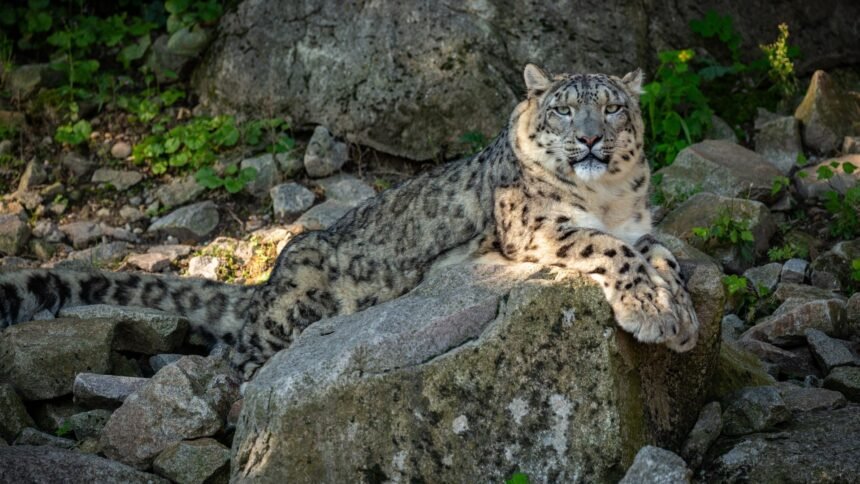
Catching a glimpse of the snow leopard in its natural Himalayan silence is among the rarest privileges of wildlife travel. Nicknamed the “ghost of the mountains,” this mysterious cat survives only in the highest, harshest ranges of Central and South Asia—barely 4,000 to 8,000 left across twelve countries. Recent field surveys have redrawn the map of where travellers stand the best chance of meeting this elusive predator.
1. China – The Last Great Stronghold
Home to between 2,000 and 4,500 snow leopards, China holds more than half of the planet’s population. The vast Sanjiangyuan National Park in Qinghai source of the Yangtze, Yellow and Mekong Rivers recorded over 1,000 individuals in a 2025 survey.
Angsai Valley, aptly called “the Valley of the Cats,” rises to 6,000 metres, but visitor access remains tightly controlled. A few community-run lodges through Shan Shui Conservation Center host small groups on research-style journeys costing US $3,000 to 5,000 per week. The reward is immense solitude; the challenge thin air and complex travel permits.
2. India – The World’s Snow Leopard Capital
With 718 documented cats, India now offers the most reliable snow-leopard sightings anywhere.
Ladakh’s Hemis National Park leads the list with one leopard per 40 square miles. Operators such as Voygr Expeditions and Himalayan Ecotourism logged 139 sightings in 127 tracking days during 2023-24 a 74 percent success rate.
Budget travellers head instead to Spiti Valley’s Kibber Wildlife Sanctuary, where Tibetan families run warm homestays for $600 to $950 a week, blending conservation and livelihood. The best months are January to March when the cats follow blue sheep down to lower ridges.

3. Mongolia – The Summer Safari Option
Mongolia’s 953 snow leopards roam the Altai Mountains at milder altitudes. From July to September, travellers trade blizzards for sunlit steppe and traditional ger camps. Naturetrek reports near-perfect success in the Tost Mountains, where most research on wild snow leopards has been done. Expeditions of 8 to 14 days cost $4,500 to $10,000 and require less acclimatisation than the Himalaya making Mongolia the most comfortable entry point for first-timers.
4. Nepal – Small Country, Big Density
Nepal shelters around 397 snow leopards—ten percent of the global total on just two percent of suitable habitat.
Manang Valley in the Annapurna region is the hotspot, guided by veteran tracker Tashi R. Ghale, who has documented 50 plus sightings. In Dolpo’s Shey Phoksundo National Park, 90 leopards share cliffs around turquoise lakes.
December to March is prime time. Expect long treks, thin air, and life-changing scenery—expeditions average $3,000 to $5,000.
5. Kyrgyzstan – The Rising Star of Central Asia
Kyrgyzstan’s numbers have soared to 511 cats—nearly triple the count two decades ago. The country even declared the snow leopard its national symbol in 2023.
Just two hours from Bishkek, Shamshy Wildlife Sanctuary allows remarkable access: in 2024 every visiting group saw leopards, including cubs. Winter trips between January and March cost €2,900 to $5,000 and combine alpine trekking with encounters of a lifetime.
6. Pakistan – Karakoram’s Hidden Ghosts
Northern Pakistan holds 167 snow leopards across 80,000 square miles. Khunjerab National Park, beside the Karakoram Highway, offers the best chance sometimes at altitudes as low as 1,200 metres in winter.
Veteran tracker Mr. Ali and his son Abul lead classic expeditions from Sost. Seven-day journeys cost $3,000 to $5,000; photography tours can reach $10,000. Peak months: January to March when mating activity rises.
7. Bhutan – Where Tigers Meet Snow Leopards
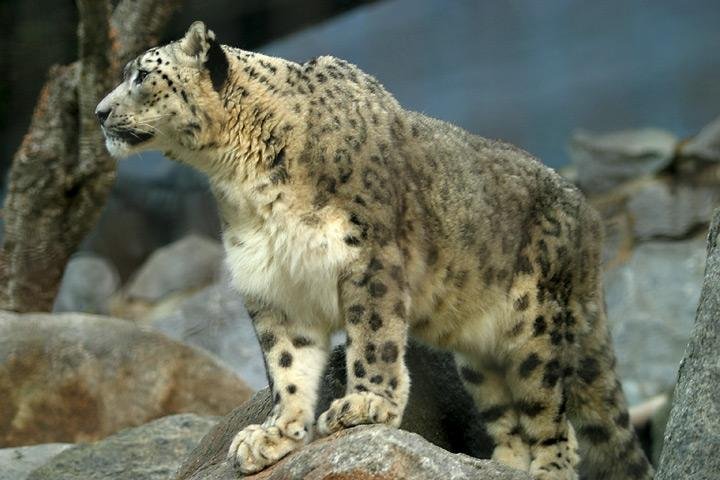
Bhutan’s population around 134 has grown nearly 40 percent in recent years. In Jigme Dorji National Park, camera traps have captured tigers and snow leopards at 4,200 metres the only overlap of the two big cats on Earth.
The kingdom’s high-value, low-impact tourism policy charges $100 a day inclusive of guide, meals, and lodging. September is the prime month for clear skies and feline encounters.
8. Kazakhstan – Steppe Conservation Success
Kazakhstan’s snow leopard count, 152 to 189, marks a 26 percent rise since 2019. Six national parks protect the Altai and Tien Shan ranges, with Ile Alatau National Park near Almaty offering the easiest access. UNDP-GEF projects and drone patrols have drastically reduced poaching. Visitors can explore 75 eco-routes spread over 2,000 km of wilderness.

9. Russia – The Northern Frontier
In the Altai Republic and Tuva, Russia’s 87 snow leopards occupy the edge of the species’ global range. Sailyugem National Park runs research-based tours with heated hides for photographers. Winter (February-March) brings the best sightings amid –20 °C temperatures and endless white silence.
10. Tajikistan – The Roof of the World
Across the Pamir Mountains, 250–280 snow leopards share ridges with Marco Polo sheep. The Wakhan Corridor and Bartang Valley welcome only a handful of visitors yearly. Affordable guesthouses, breathtaking passes, and unspoiled high-plateau vistas make Tajikistan the final frontier for true wilderness seekers.
The Big Picture
Conservation outcomes are finally turning positive: Bhutan up 39 percent, Kazakhstan up 26 percent, Kyrgyzstan tripled, and Russia revived from the brink. When local people earn from responsible tourism, the snow leopard’s survival becomes part of their own future.
From the monasteries of Spiti to the glaciers of Altai, these cats remain symbols of balance between humankind and the mountain spirit. Each encounter is a miracle and a reminder that silence still has guardians.
Also Read | India: The World’s Snow Leopard Capital