








New Delhi: The World Health Organization (WHO) has shared ten simple yet powerful health steps to help people around the world begin 2026 with renewed focus on wellness and preventive care. The message is clear good health isn’t built overnight but through small consistent choices made every day.
From eating better and moving more to quitting smoking and managing stress WHO’s 2026 guidelines highlight habits that can save lives, prevent chronic diseases and promote long-term well-being.
1. Eat Smart, Live Smart
WHO recommends adding more fruits, vegetables, legumes, nuts, and whole grains to daily meals. Adults should eat at least five portions (400g) of fruits and vegetables a day. This reduces the risk of malnutrition and major noncommunicable diseases (NCDs) such as diabetes, heart disease, stroke and cancer.
2. Cut Down on Salt and Sugar
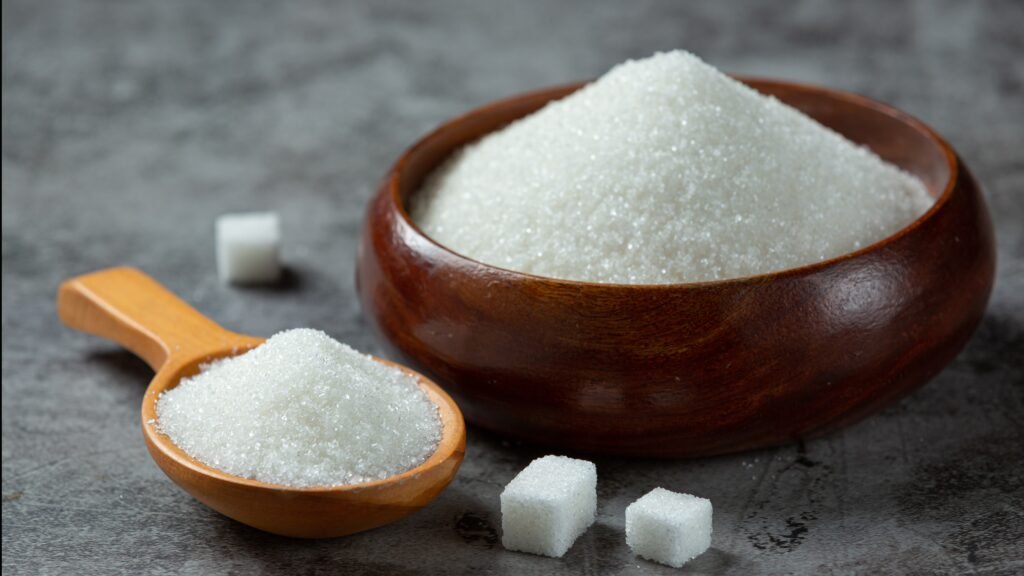
Excess sodium and sugar are leading causes of heart disease and obesity. WHO advises keeping salt intake below 5 grams a day (one teaspoon) and limiting “free sugars” to under 5% of total energy intake. Avoid processed snacks, sugary drinks and high-sodium condiments to protect your heart and teeth.
3. Avoid Harmful Fats
Unsaturated fats found in fish, avocado, nuts and olive oil are beneficial, while saturated and trans-fats in fried and packaged foods raise cholesterol and disease risk. WHO suggests keeping total fat intake below 30% of daily calories and switching to healthier oils.
4. Quit Smoking for Good
Tobacco remains one of the top causes of preventable death worldwide. WHO reiterates that quitting smoking at any age brings immediate and lasting health benefits. Non-smokers too are urged to protect themselves from second-hand smoke.

5. Move More, Sit Less
Physical inactivity has become a global epidemic. WHO recommends at least 150 minutes of moderate-intensity exercise per week or 300 minutes for greater benefit. Simple habits like walking, cycling, dancing or gardening can improve heart health and mood.
6. Monitor Your Blood Pressure
High blood pressure, often called the “silent killer” can lead to serious conditions if left unchecked. WHO urges regular check-ups to detect hypertension early and seek timely advice from healthcare professionals.
7. Follow Traffic Laws and Stay Safe
With over one million deaths globally each year due to road accidents WHO reminds everyone to wear seatbelts and helmets avoid drinking and driving and never use phones while driving. Responsible driving habits save countless lives.
8. Use Antibiotics Wisely
The misuse of antibiotics has accelerated antimicrobial resistance. WHO warns that antibiotics should only be taken when prescribed by a qualified health professional and the full course must always be completed.
9. Keep Hands Clean
Hand hygiene continues to be a simple yet powerful shield against infections. Wash hands regularly with soap and water or use alcohol-based sanitizer when necessary. This small act protects families and communities alike.
10. Get Regular Health Check-ups
Early detection saves lives. WHO encourages everyone to schedule periodic medical check-ups to identify potential health issues before they escalate. Prevention the organization emphasizes is always better and cheaper than cure.

Building a Healthier 2026 Together
WHO’s message for the coming year is not about complex medical interventions but about simple lifestyle changes that collectively make a global impact and promote overall well-being everywhere. With NCDs accounting for nearly three-quarters of deaths worldwide, these ten steps aim to help people live longer, stronger, healthier, and more fulfilling lives daily and sustainably.
As WHO notes,
“Small daily choices what we eat, how we move, how we care for our health are the foundation of a longer, happier life.”
Also Read | Worried About Weak Bones? Ayurveda Has Simple Solutions You Can Try at Home