







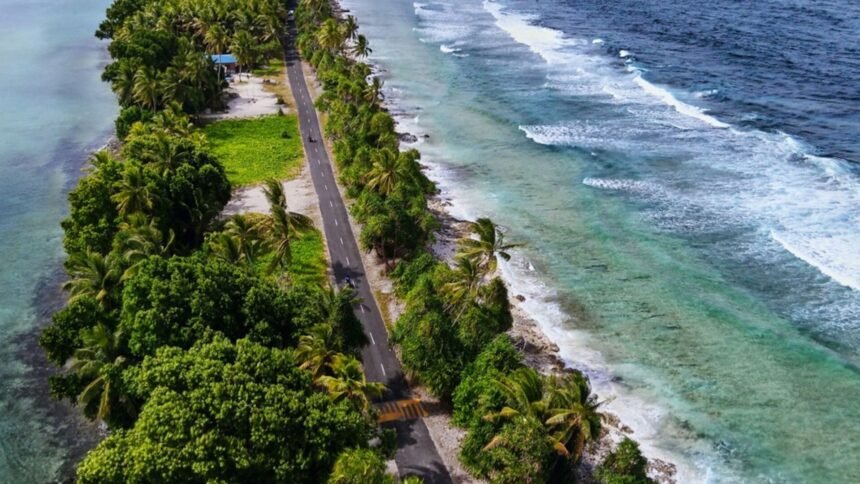
Geneva, October 19: There’s something poetic about Tuvalu being the country that pushed the count to 100.
The smallest member state in the World Health Organization just became the hundredth nation to join ATACH the Alliance for Transformative Action on Climate and Health. It’s a milestone that WHO announced this week with obvious satisfaction, and the symbolism couldn’t be stronger.
Tuvalu, after all, isn’t just small. It’s disappearing. Rising sea levels threaten to erase the island nation within decades. If any country understands the health consequences of climate change, it’s this one.
Three Countries, One Quarter
Tuvalu didn’t cross the finish line alone. Between July and October 2025, three countries signed up: Cook Islands, Malaysia, and finally Tuvalu in mid-October.
That’s the kind of momentum WHO has been hoping for since launching ATACH back in 2022. The alliance started as an attempt to give practical teeth to the climate commitments countries made at COP26 in Glasgow. Three years later, it’s become a genuine global network—100 countries plus over 95 partner organizations all working on the same problem from different angles.
The basic pitch is straightforward: share knowledge about building health systems that can handle climate disasters while also reducing their own carbon footprints. Hospitals and clinics shouldn’t be part of the problem, and they need to survive the floods, heatwaves, and storms that climate change keeps throwing at them.
Why These Three Matter
Malaysia’s addition might surprise people who don’t follow climate negotiations closely. It’s a rapidly growing economy, blessed with natural resources, not typically grouped with vulnerable island states.
But Malaysian officials know what’s coming. More intense monsoons. Worsening air quality from forest fires. Diseases spreading into new areas as temperatures rise. The country’s betting that getting ahead of these problems now beats dealing with health emergencies later.
The Cook Islands and Tuvalu represent the other end of the spectrum—small island developing states with almost nowhere to hide from climate impacts. When cyclones intensify or sea levels creep higher, these places have limited options.
WHO specifically noted that Tuvalu has been “championing climate and health for decades.” That’s diplomatic language for: they’ve been sounding the alarm forever while bigger countries dragged their feet.
Now Tuvalu gets to help shape how the alliance functions, contributing decades of hard-won experience to countries just starting to grapple with these challenges.
What Membership Actually Means
Joining ATACH isn’t just symbolic. Countries make concrete commitments when they sign up—specifically around two goals from the COP26 health agreement.
First, developing climate-resilient health systems. That means hospitals that don’t flood, supply chains that don’t collapse when roads wash out, disease surveillance that can spot climate-related health threats early.
Second, building sustainable, low-carbon health systems. Healthcare generates surprising amounts of emissions—medical equipment, energy for hospitals, transport, waste disposal. Cutting that footprint without compromising care is technically tricky but increasingly urgent.
The alliance provides a platform for swapping solutions. A technique Malaysia develops for cooling hospitals efficiently might help Pacific islands. Tuvalu’s experience protecting health facilities from storm surges could inform coastal countries everywhere.
WHO emphasized that members get access to “the wealth of knowledge and experience that the platform provides”—practical case studies, resource repositories, documented failures and successes. The kind of information that helps countries skip mistakes others already made.
The Broader Picture
One hundred countries sounds impressive until you remember WHO has 194 member states. That leaves 94 countries still on the sidelines.
WHO’s message to them was polite but pointed: join up. The press release specifically urged countries “who have yet to join, to become members of ATACH, in order to make faster progress towards protecting their health systems and global health from the effects of climate change.”
There’s probably frustration behind that language. Climate change doesn’t respect borders. A disease outbreak in one country caused by changing weather patterns can spread globally before anyone realizes what’s happening. Health systems failing under climate stress create refugee crises that spill across regions.
The alliance works better when more countries participate. More data points. More solutions to try. More political weight behind the push for climate action.
What Success Looks Like
ATACH launched just three years ago as an attempt to operationalize the COP26 health commitments. That it’s grown to 100 countries this quickly suggests genuine demand for this kind of collaboration.
But the real test isn’t membership numbers—it’s whether health systems actually become more resilient. Whether hospitals in Bangladesh can ride out floods without losing power. Whether health clinics in sub-Saharan Africa can maintain vaccine cold chains during prolonged heatwaves. Whether Pacific island nations can evacuate patients when cyclones hit.
Those are the metrics that matter. Countries joining the alliance is step one. Building the infrastructure, training the staff, developing the protocols—that’s where the hard work begins.
Tuvalu’s Moment
WHO described this as a dynamic global community “collaborating to advance real action” on climate adaptation and mitigation. That’s the hopeful framing.
The darker reality is that countries like Tuvalu are forced into leadership on this issue because they’re running out of time. When your entire nation might be underwater in 50 years, you don’t have the luxury of treating climate change as a distant threat.
Tuvalu becoming the hundredth member carries weight precisely because of that urgency. The smallest WHO member state, the one with the most to lose, helping push the alliance across a symbolic threshold.
WHO clearly hopes that symbolism translates into momentum. With 100 countries committed and growing, the alliance has critical mass. Now comes the harder part: proving it can actually deliver on its promises.
For Tuvalu’s sake, and for the sake of vulnerable populations everywhere, it better.
Also Read | 11 Million Lives Lost Annually: WHO Issues Global Brain Care Action Call