






Taipei, December 29: China’s military launched another series of live-fire exercises around Taiwan on Tuesday, in what analysts describe as part of Beijing’s ongoing pressure campaign against the self-governed island. The drills come amid strained cross-Taiwan Strait relations and follow warnings from Chinese officials over diplomatic and security issues concerning the United States and Taiwan.
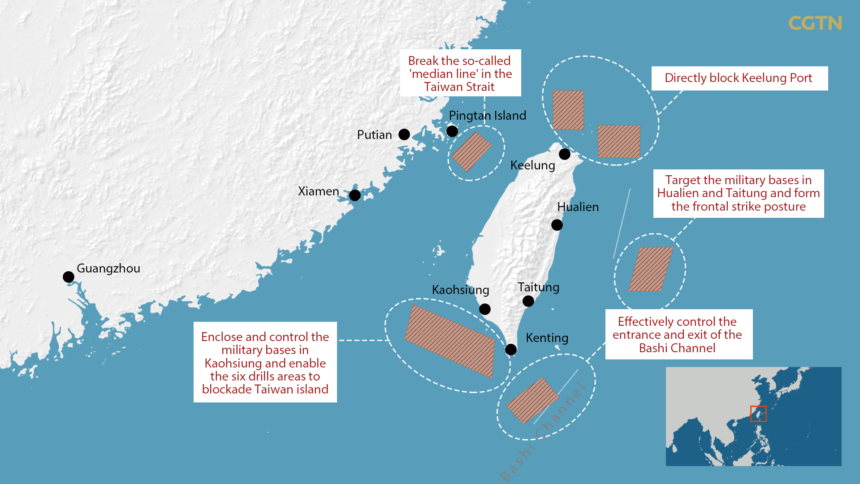
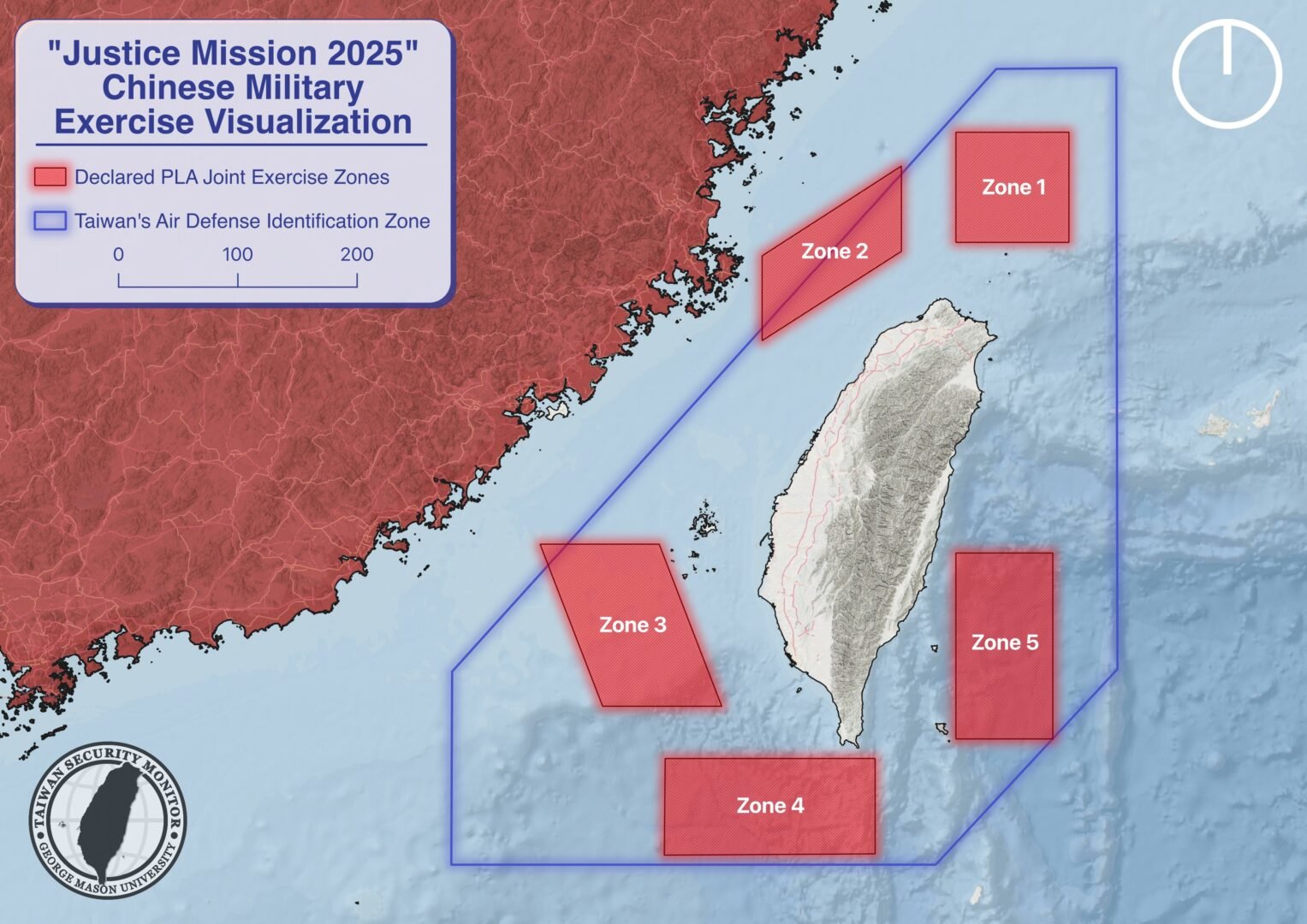
According to Taiwan’s defence authorities, Chinese forces conducted coordinated live-fire training in multiple zones encircling the island, marking one of the largest such exercises in recent months. The activities involved warships and combat aircraft simulating blockades, air strikes and long-range firepower deployment.
Taiwan’s military response and alert status
Taiwan’s Ministry of National Defense said it scrambled jets and monitored the Chinese military movement closely. Defence officials described the drills as “serious violations” of regional peace and stability, adding that all Taiwanese forces remained on high alert.
Authorities in Taipei also reported that several Chinese military aircraft entered Taiwan’s Air Defense Identification Zone (ADIZ) during the drills, prompting Taiwan’s air force to deploy fighters and issue radio warnings. Naval vessels in the Taiwan Strait were placed on heightened readiness as well.
Beijing frames exercises as routine training
China’s People’s Liberation Army (PLA) described the live-fire exercises as routine annual training aimed at “enhancing combat readiness and safeguarding national sovereignty.” A PLA Eastern Theater Command spokesperson said that the drills were conducted in waters and airspace surrounding Taiwan “in strict accordance with training plans.”
Beijing has increased the frequency and scale of military exercises near Taiwan in recent years, particularly after visits by foreign officials to Taipei and high-level arms sales from the United States to Taiwan. Chinese state media reported on Tuesday that the drills are meant to demonstrate China’s resolve to counter “separatist forces.”
International concern and regional implications
The latest drills have drawn reactions from Taipei’s diplomatic partners, with several governments urging de-escalation and restraint. A U.S. State Department spokesman reiterated Washington’s call for peaceful resolution of cross-Strait differences while reaffirming support for Taiwan’s self-defence capabilities under the Taiwan Relations Act.
Japan’s Defence Ministry also expressed serious concern, describing the exercises as “destabilising” and urging all parties to avoid actions that could increase tensions in the Indo-Pacific region.
Broader geopolitical context
China views Taiwan as part of its territory and has not ruled out the use of force to achieve reunification. Taiwan, which operates as a democratic, self-governing entity with its own military, rejects Beijing’s claims and seeks international support against coercive actions.
Experts say that the latest live-fire drills, coming at the end of the year, send a signal that Beijing intends to maintain pressure on Taipei and its allies. They also underscore ongoing concerns about regional security, especially as the U.S. and China navigate competition over influence in Asia.
What to watch next
The frequency and scale of future exercises will be closely watched by defence analysts, especially in the context of U.S.–China tensions over Taiwan and broader military posturing in the region. Any further escalation could have implications for global supply chains, diplomatic relations, and alliance dynamics in the Pacific.
Also Read | India Lodges Strong Protest with China Over Detention of Arunachal-Born UK Resident at Shanghai Airport