






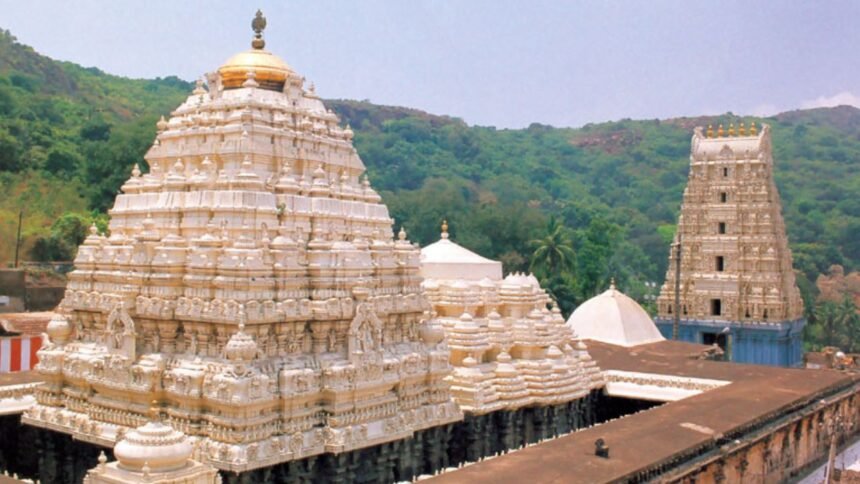
Visakhapatnam, Andhra Pradesh: The Simhachalam Sri Varaha Lakshmi Narasimha Swamy Temple, one of South India’s major Vaishnavite shrines, continues to record high pilgrim turnout as winter tourism picks up in Visakhapatnam. Located about 16 kilometres from the city centre on the Simhachalam hill range, the temple is known for its unique depiction of Lord Narasimha and its blend of Kalinga, Chola and Chalukya architectural influences.
A Temple Known for Its Rare Deity Form
The presiding deity—Varaha Lakshmi Narasimha—is among the rarest forms of Vishnu worshipped in India. Unlike traditional Narasimha temples, the idol here is kept fully covered with sandalwood paste throughout the year, giving it a smooth rounded appearance. The original form is revealed only once annually on Akshaya Tritiya, a ritual known as Chandanotsava or Nijaroopa Darshanam, drawing tens of thousands of devotees.
Historical Significance Dating Back to 11th–12th Century
Inscriptions at the temple indicate contributions from various dynasties, including the Eastern Ganga kings, Gajapatis, and Vijayanagara rulers. Scholars note that the earliest epigraphical references date back nearly 900 years, establishing Simhachalam as one of the region’s oldest active temples.
The temple also finds mention in traditional texts and local legends that associate the hill with the mythological tale of Narasimha’s appearance to save Prahlada.
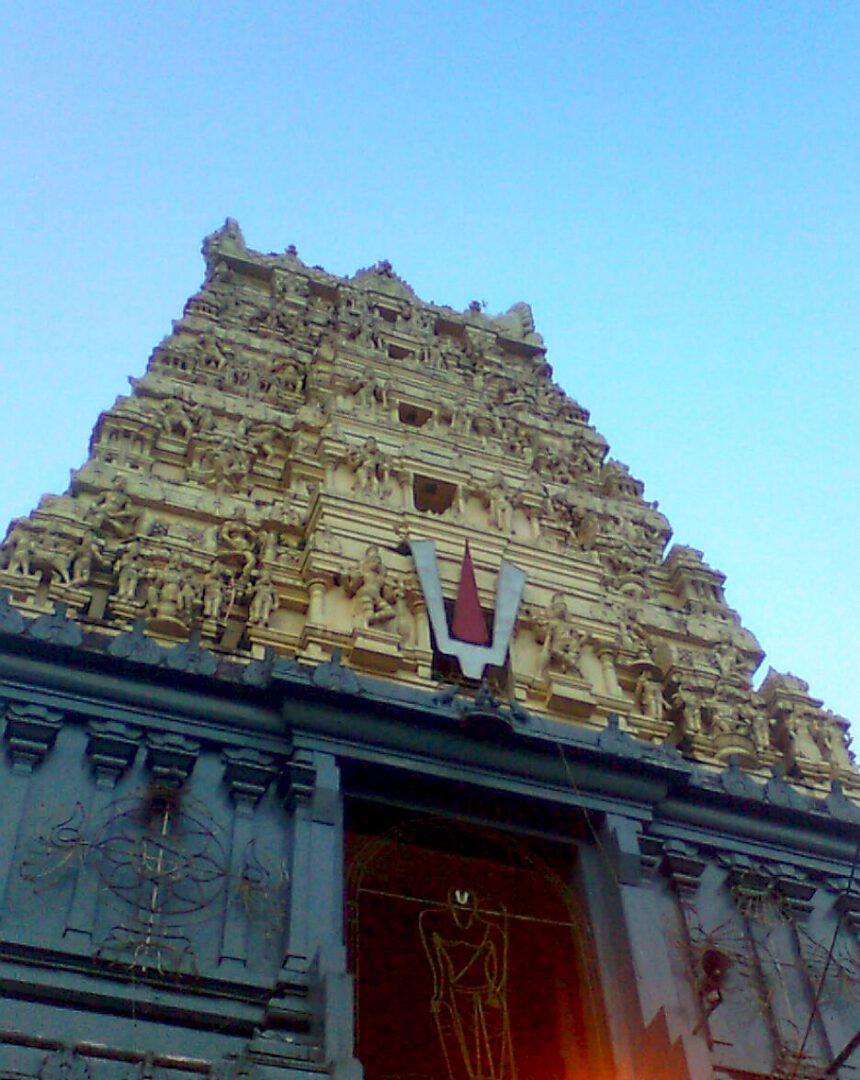
Architecture That Combines Multiple Dynastic Styles
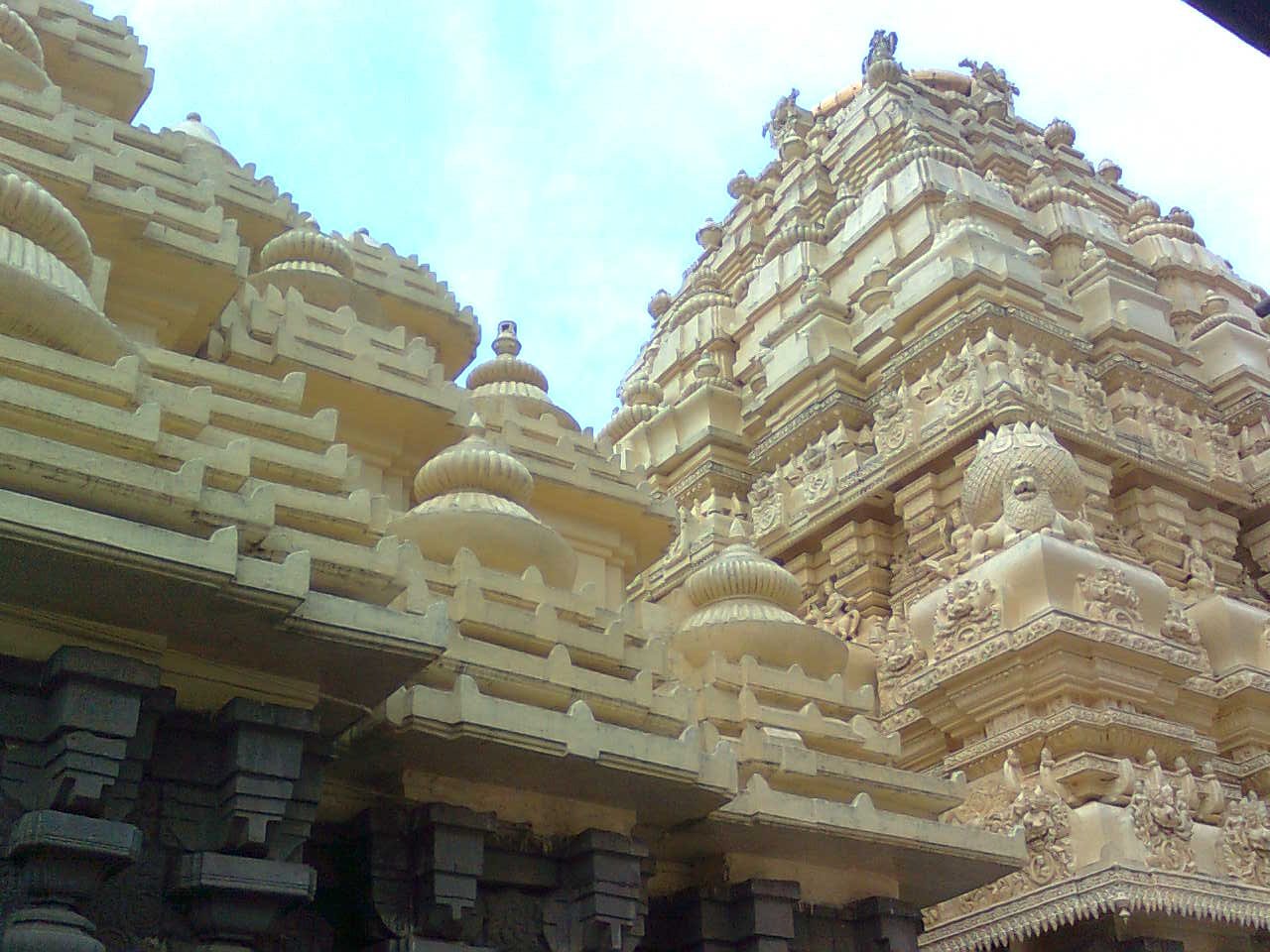
The structure features:
- A square sanctum with ornate Kalinga-style carvings
- A multi-pillared mandapa reflecting Chola and Vijayanagara motifs
- Stone sculptures depicting Narasimha’s various forms
- A tall dhvaja stambham in the outer courtyard
- Intricate wooden artwork in certain mandapas
The temple’s hilltop position offers wide views of Visakhapatnam, making it a major cultural and tourism landmark.
Pilgrim Footfall Rises Ahead of Festival Season
Temple authorities report steady increases in footfall, particularly on weekends and auspicious days. Officials attribute the rise to:
- Improved road connectivity to the hill shrine
- Increased tourist inflow to Visakhapatnam
- The temple’s prominence in regional pilgrimage circuits
Special queues and crowd-management measures are in place during major events such as Narasimha Jayanti, Vaikunta Ekadashi and Chandanotsava.
Administration and Conservation Efforts
The temple is administered under the Endowments Department of Andhra Pradesh, with ongoing maintenance to preserve stone sculptures and gopuram structures. Periodic restoration includes chemical cleaning, reinforcement of older mandapas, and enhancement of visitor facilities such as drinking water points, lighting and security systems.
Heritage conservation experts state that Simhachalam remains a significant example of East Indian temple architecture, requiring regular monitoring due to its age and continuous pilgrim activity.
A Central Spiritual Landmark for North Coastal Andhra
For Visakhapatnam and surrounding districts, Simhachalam functions not only as a religious centre but also as a cultural anchor. The temple’s festivals, classical music performances and annual rituals attract participation from local communities and visiting arts groups.
With heritage tourism growing steadily in the region, Simhachalam Temple continues to be one of Vizag’s most recognisable religious and historical landmarks.
Also Read | Udaipur’s Jagdish Temple: A 17th-Century Landmark That Remains a Centre of Devotion and Heritage