







Seoul/Atlanta: More than 300 South Korean workers detained in a U.S. immigration raid at a Hyundai–LG battery plant construction site in Georgia have returned home on a chartered Korean Air flight, capping a week of diplomatic protests and emergency consular support. The Sept. 4 operation detained 475 people in what U.S. authorities described as a major work-site enforcement action; 316 of those detained were South Korean nationals.
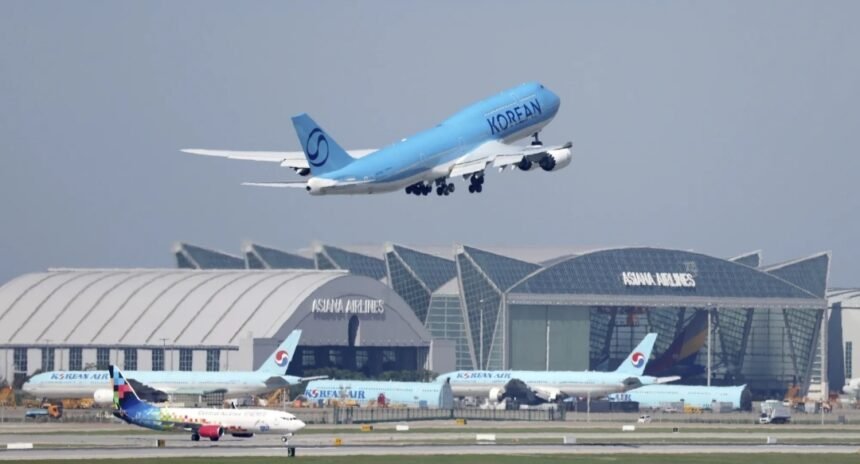
The flight landed at Incheon International Airport on Friday to emotional scenes as families and officials greeted the returnees. According to multiple outlets, about 330 detainees were repatriated, while one South Korean worker opted to remain in the United States. Images and testimonies about shackling and crowded conditions during detention fueled public anger in South Korea and sharpened questions about how a close ally treats workers tied to strategic investments.
Seoul has pressed Washington for clearer visa pathways for short-term technical staff sent to help stand up large industrial projects. Officials in both countries are discussing a joint task force and even a visa desk at the U.S. embassy in Seoul to prevent a repeat of the crisis, Reuters and the Financial Times reported.
Some reports noted a last-minute U.S. offer that workers who wished could remain temporarily to train American staff, but nearly all chose to go home only one stayed on. South Korean coverage and international outlets said the incident has chilled sentiment among Korean firms weighing U.S. expansion.
U.S. officials have defended the enforcement action as application of immigration law, while South Korean authorities and company representatives acknowledged that, although many workers held valid travel documents, some did not have the appropriate work visas—a grey zone that has now become a flashpoint as Washington courts allied investment in EV supply chains.
What’s next:
- Talks on a short-term technical visa fix and re-entry options for vetted personnel.
- Monitoring impacts on the Georgia plant’s commissioning timeline and broader Korean investment plans in the U.S. EV sector.