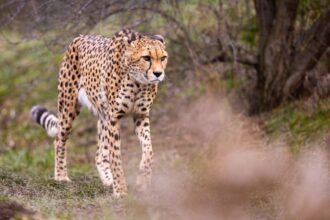








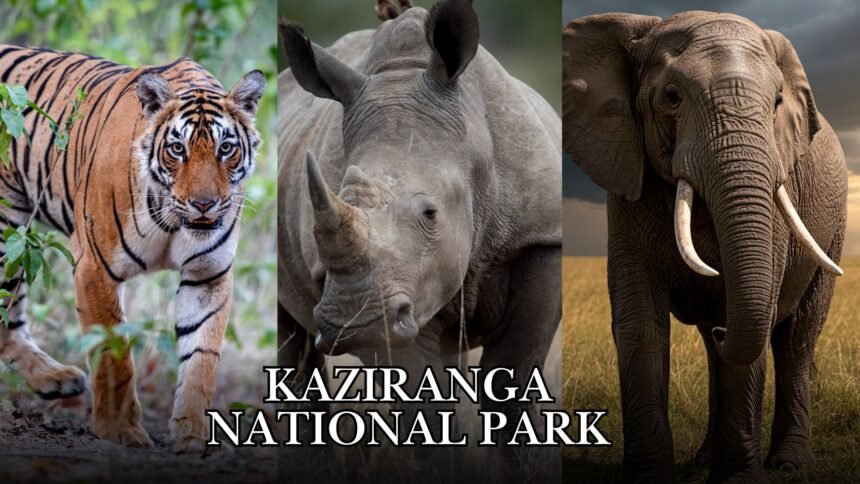
New Delhi: Assam’s crown jewel Kaziranga National Park welcomes record tourists in its 2025-26 season, home to 70% of India’s one-horned rhinoceros population and experiencing unprecedented conservation success.
Wildlife populations and conservation triumphs
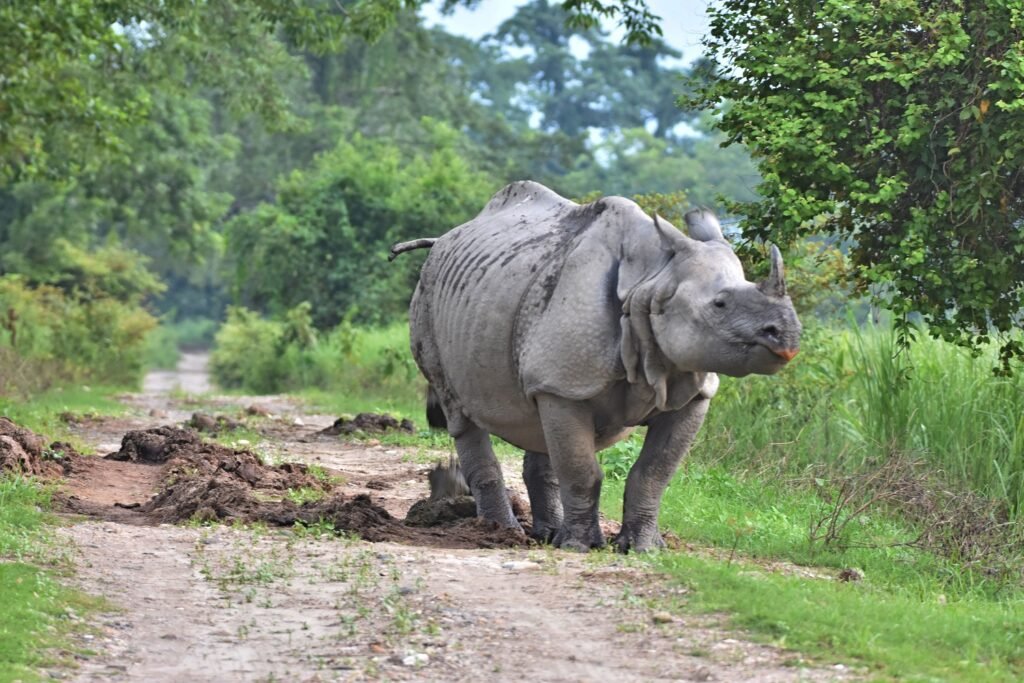
Kaziranga harbors 2,613 one-horned rhinoceros (2022 census), representing 70% of approximately 4,014-4,075 total rhinos in India. This constitutes the world’s largest population of the greater one-horned rhinoceros. The park’s crowning achievement is an 86% reduction in poaching since 2016 – with only 2 rhinos poached in both 2023 and 2024, down from 27 in 2013. The year 2022 marked zero poaching for the first time since 1977.
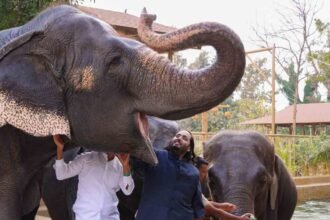
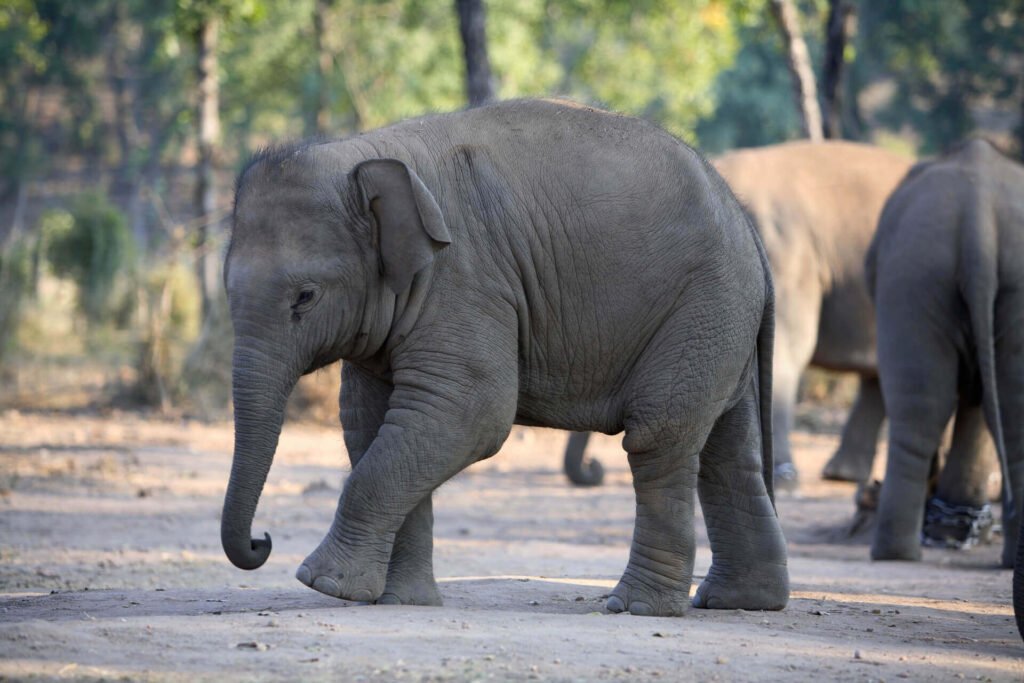
Elephant populations are equally significant. India’s DNA-based 2025 census recorded 22,446 wild elephants nationwide, with 4,159 elephants in Assam. The Kaziranga-Karbi Anglong Elephant Reserve hosts 1,940 elephants, representing Assam’s largest elephant population and a critical breeding ground for this endangered species.
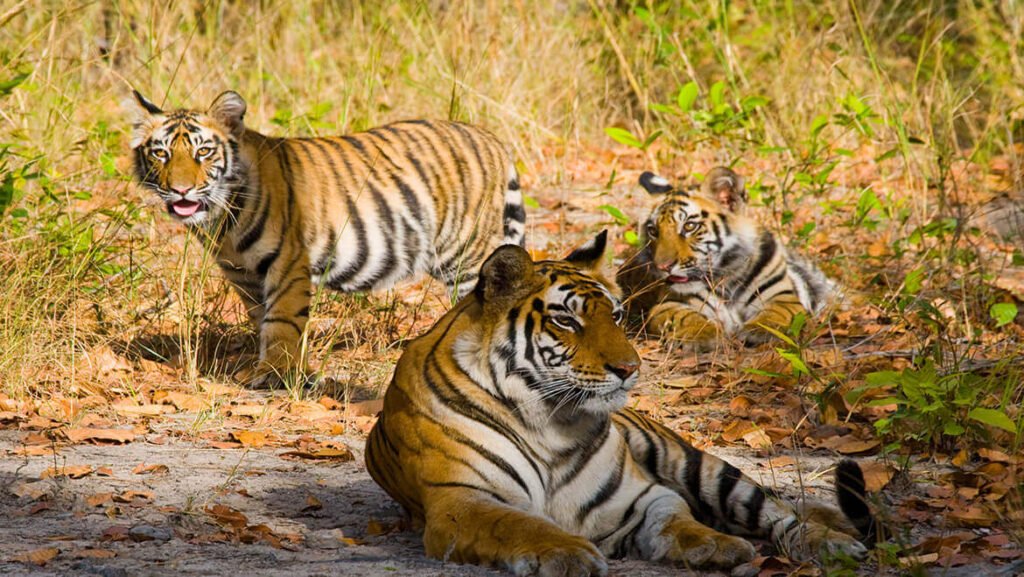
The 2024 tiger census revealed 148 tigers in the park, a remarkable increase of 44 from 2022’s count of 104. With a density of 18.65 tigers per 100 sq km, Kaziranga ranks as India’s third-highest tiger density park, trailing only Bandipur and Corbett.
A biodiversity treasure trove
Kaziranga’s “Big Five” – rhinoceros, Bengal tiger, Asian elephant, wild water buffalo (1,666) and eastern swamp deer (468) – define its ecological significance. The park supports 479 bird species, 42 reptile species (including king cobras and reticulated pythons), and 35 mammal species with significant breeding populations. Nine of India’s 14 primate species inhabit this landscape, including the hoolock gibbon – India’s only ape.
Recent discoveries in 2024 include recordings of the rare binturong (bearcat) and Asian small-clawed otter, both Schedule I protected species. Kaziranga has documented 446 butterfly species – India’s second-highest after Namdapha including 18 species new to India.
Essential visitor information
Best visiting months: November through April with December to March offering optimal conditions. The park closes during monsoon season (May-September) when the Brahmaputra River inundates 95% of the park area.
Safari timings: Jeep safaris operate 7:00-9:30 AM (morning) and 1:30-3:30 PM (afternoon); elephant safaris run 5:15-7:30 AM (morning) and 3:00-4:00 PM (afternoon). Morning safaris are strongly preferred for maximum wildlife activity and cooler temperatures.
Four safari zones: Central (Kohora), Western (Bagori), Eastern (Agaratoli) and Burapahar (Ghorakati). Each zone offers distinct landscapes and wildlife encounters with Bagori particularly renowned for rhino sightings and Agaratoli excellent for birdwatching.
Reaching Kaziranga: Nearest airports are Jorhat (96 km) and Guwahati (217 km); closest railway stations include Furkating Junction (75 km) and Jakhalabandha (50 km). National Highway 37 passes directly through the park vicinity, ensuring excellent road connectivity.
Accommodation options: Range from government-run lodges (Bonani, Bonoshree, Kunjaban) offering budget-friendly stays to luxury resorts like IORA – The Retreat, Diphlu River Lodge and Wild Grass Lodge providing premium experiences with full safari arrangements.
Recent developments and challenges
The 2024-25 season witnessed record tourism of 4,06,564 visitors (including 17,693 foreign tourists) – a fourfold increase over the past decade. In May 2025, a massive 47,306-hectare expansion was approved, increasing the park from 1,302 sq km to 1,775 sq km – the largest single expansion in its history.
July 2024 brought the worst flooding since 1991, with water levels reaching 87.47 meters and 95% of the park submerged. This resulted in 215 animal casualties including 17 rhinos, though 180 animals were successfully rescued. To mitigate roadkill during animal migrations, a ₹6,957 crore project for a 34.5 km elevated wildlife corridor on NH-715 was approved in October 2025.
Operation Falcon 2024 demonstrated robust anti-poaching commitment with 42 poachers arrested and 9 poaching attempts foiled. The park maintains 233 anti-poaching camps – the highest density at one camp per 5.82 sq km – supported by over 600 frontline staff including 54 female guards and advanced drone surveillance.
Kaziranga’s conservation model stands as a global benchmark – from just 600 rhinos in the 1960s to over 4,000 today. This represents the power of dedicated protection, community engagement and adaptive management, making it an unmissable destination for every wildlife enthusiast and nature lover seeking authentic wilderness experiences.
Also Read | Top 5 National Parks in India to Visit This November for Ultimate Safari Adventures