







Opinion Article
The Mirage of Development
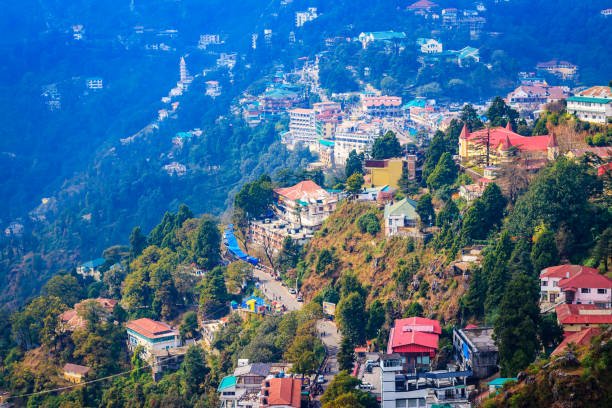
For decades, development has been equated with concrete highways, multi-storey hotels, hydroelectric projects, and expanding townships. In Uttarakhand, this notion of progress has translated into aggressive construction on fragile mountain terrains and riverbanks. Natural spaces once meant for forests and rivers are now shrinking under the weight of human expansion.
Encroachment as the New Normal
Villages are being transformed into crowded bazaars, sacred riverbanks into parking lots, and fragile forest corridors into resorts. These encroachments may appear minor in isolation, but together they are systematically erasing the ecological balance that sustains the Himalayas. What is labelled as “vikas” (development) is often no more than commercial exploitation of natural wealth.
Nature’s Retaliation
The sinking land of Joshimath, recurring Kedarnath floods, and the alarming rise of landslides are not coincidences—they are warnings. The mountains are unable to bear the weight of tunnels, dams, and unscientific construction. Rivers, once lifelines, are being forced into narrow channels, making floods and soil erosion inevitable.
Communities in Crisis
Local communities, who once lived in harmony with their environment, now face displacement and unemployment. Farmers lose fertile land, families are forced to migrate, and traditional livelihoods tied to forests and rivers are collapsing. Ironically, those least responsible for ecological destruction are paying the highest price.
The Way Forward
Development cannot and should not be halted but it must be redefined. Sustainable infrastructure, regulated tourism, respect for traditional knowledge, and eco-sensitive planning must guide policy. Instead of concrete jungles, Uttarakhand needs green corridors and resilient local economies.
Conclusion
Uttarakhand is a warning bell for the rest of India. The Himalayas are not just mountains; they are living ecosystems that provide water, oxygen, and climate stability to millions. The cost of reckless encroachment is no longer hidden it is visible in cracked walls, flooded valleys, and displaced lives.
The choice before us is stark: continue chasing short-term profit in the name of development, or adopt a model where progress walks hand-in-hand with nature’s preservation. One path leads to irreversible disaster, the other to a sustainable future.
— The Central Post