








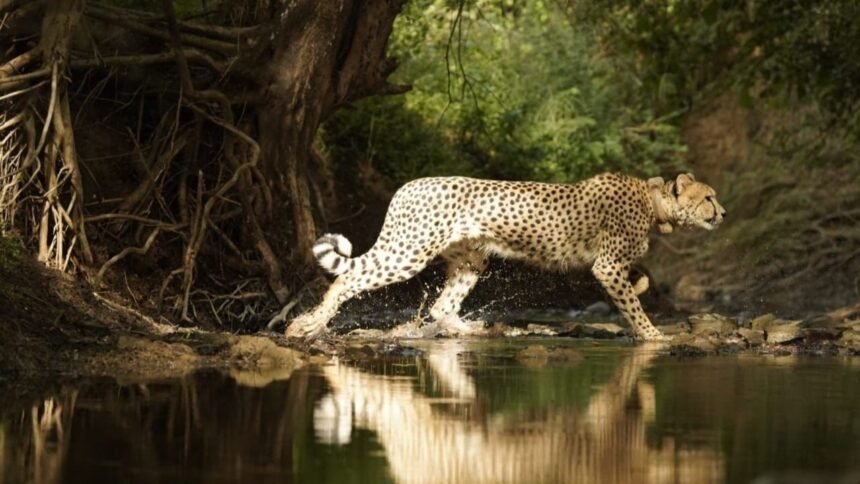
New Delhi: International Cheetah Day, observed globally on 4 December, carries a special meaning for India, a country attempting one of the world’s most ambitious wildlife restoration projects. India once had a thriving population of Asiatic cheetahs, but the species was officially declared extinct in 1952 after decades of hunting, habitat destruction and the collapse of prey species. The annual observance of International Cheetah Day has therefore become a moment for India to reflect on its ecological past and spotlight ongoing efforts to reverse a historical environmental loss through Project Cheetah.
Launched by the Government of India in 2022, Project Cheetah seeks to reintroduce the world’s fastest land animal to Indian soil. The first phase began on 17 September 2022, when eight cheetahs from Namibia were translocated to Kuno National Park in Madhya Pradesh. This was followed by a second batch of twelve cheetahs from South Africa in February 2023. With these steps, India became the first country in the world to bring back cheetahs after they had been declared extinct, marking a significant milestone in global conservation history.
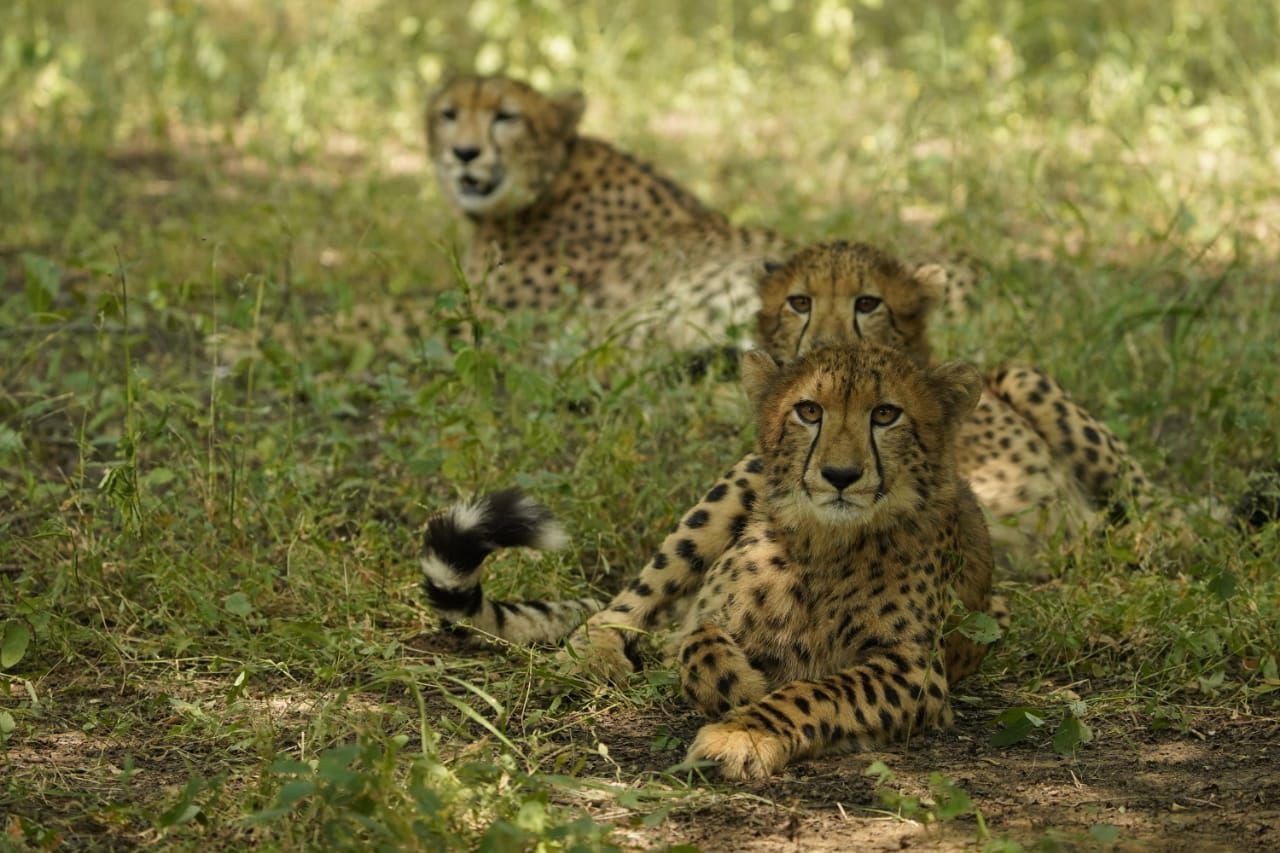
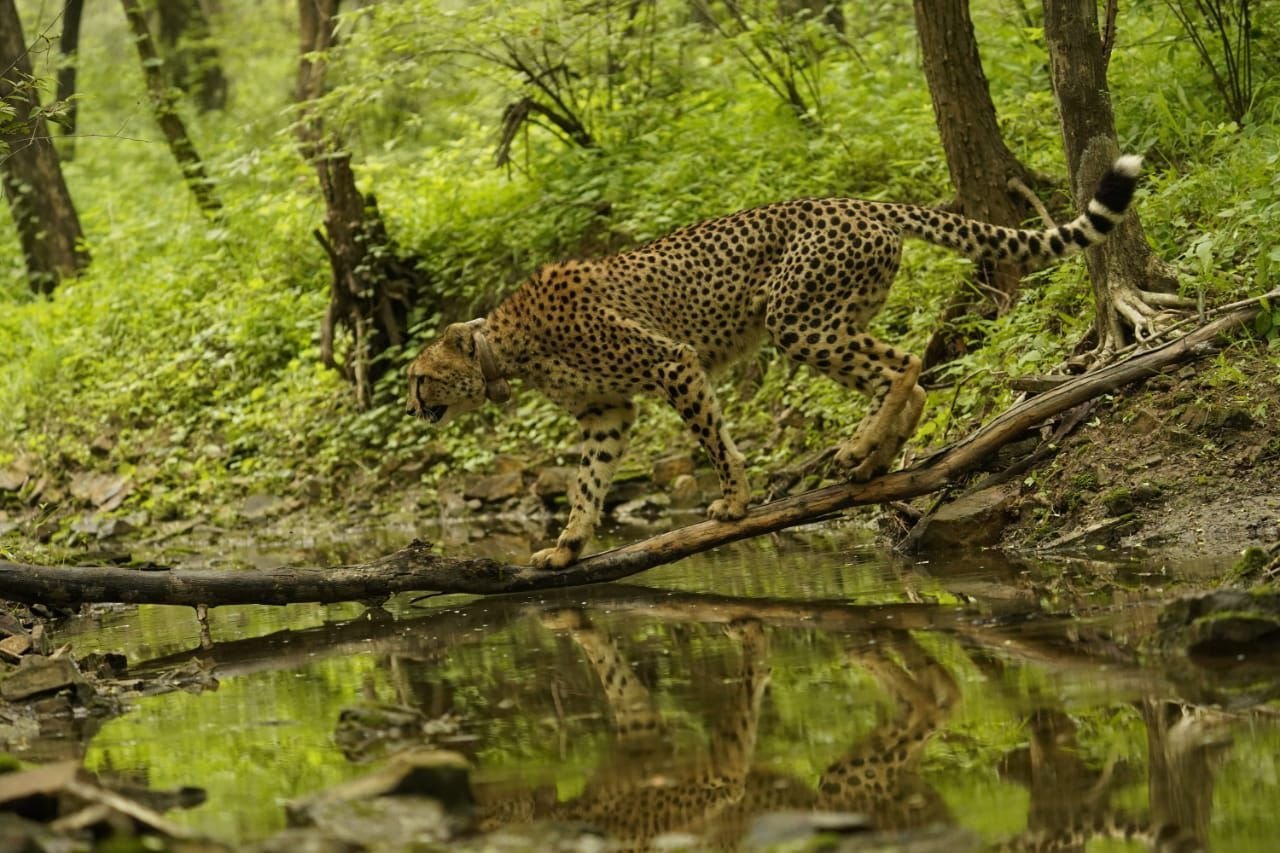
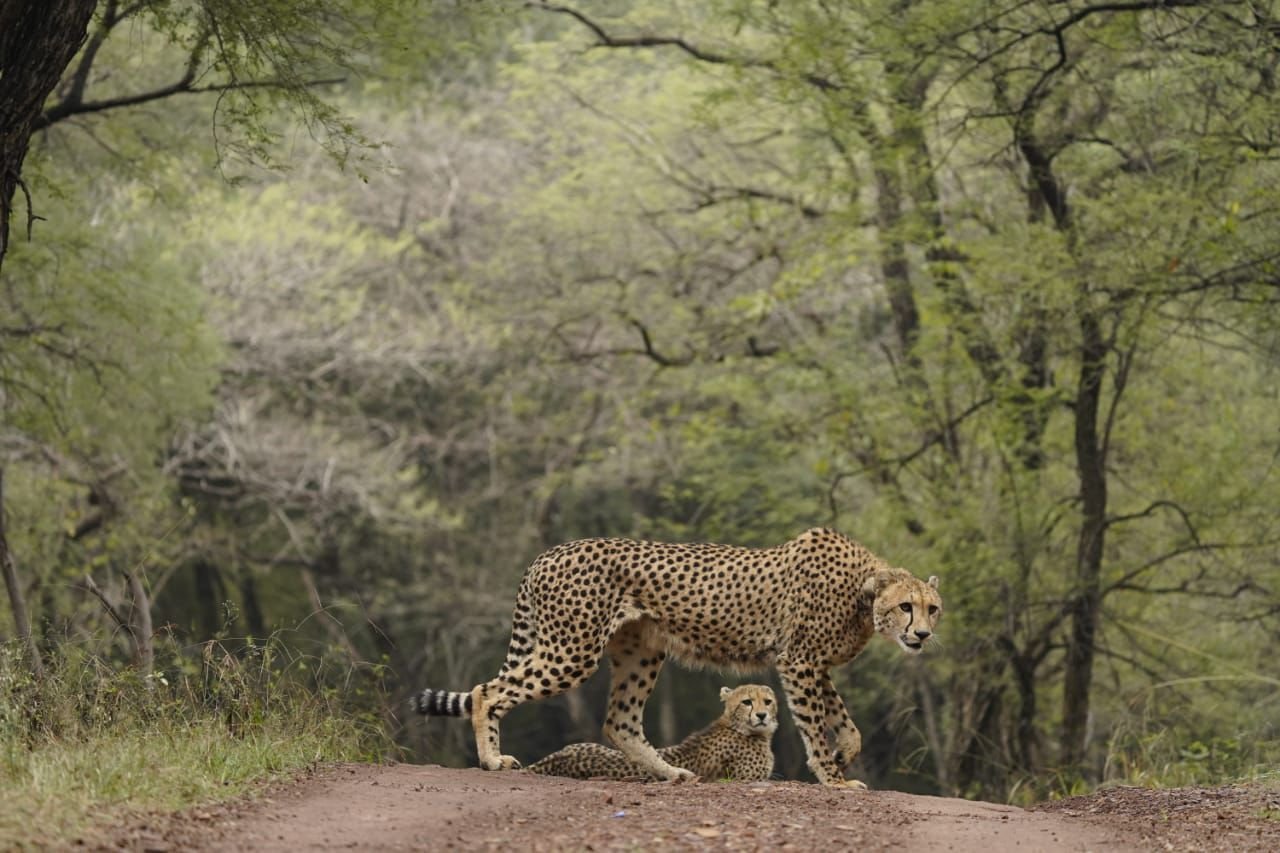
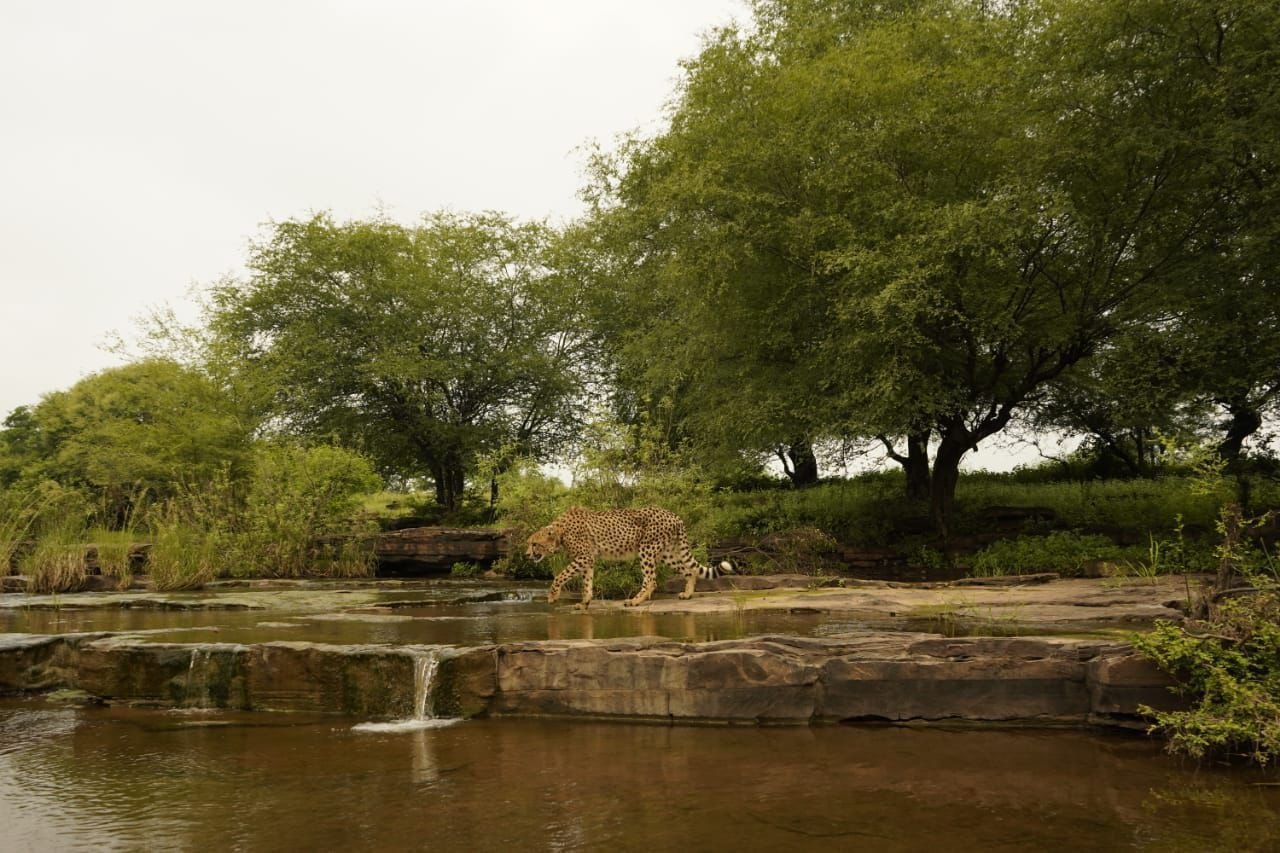
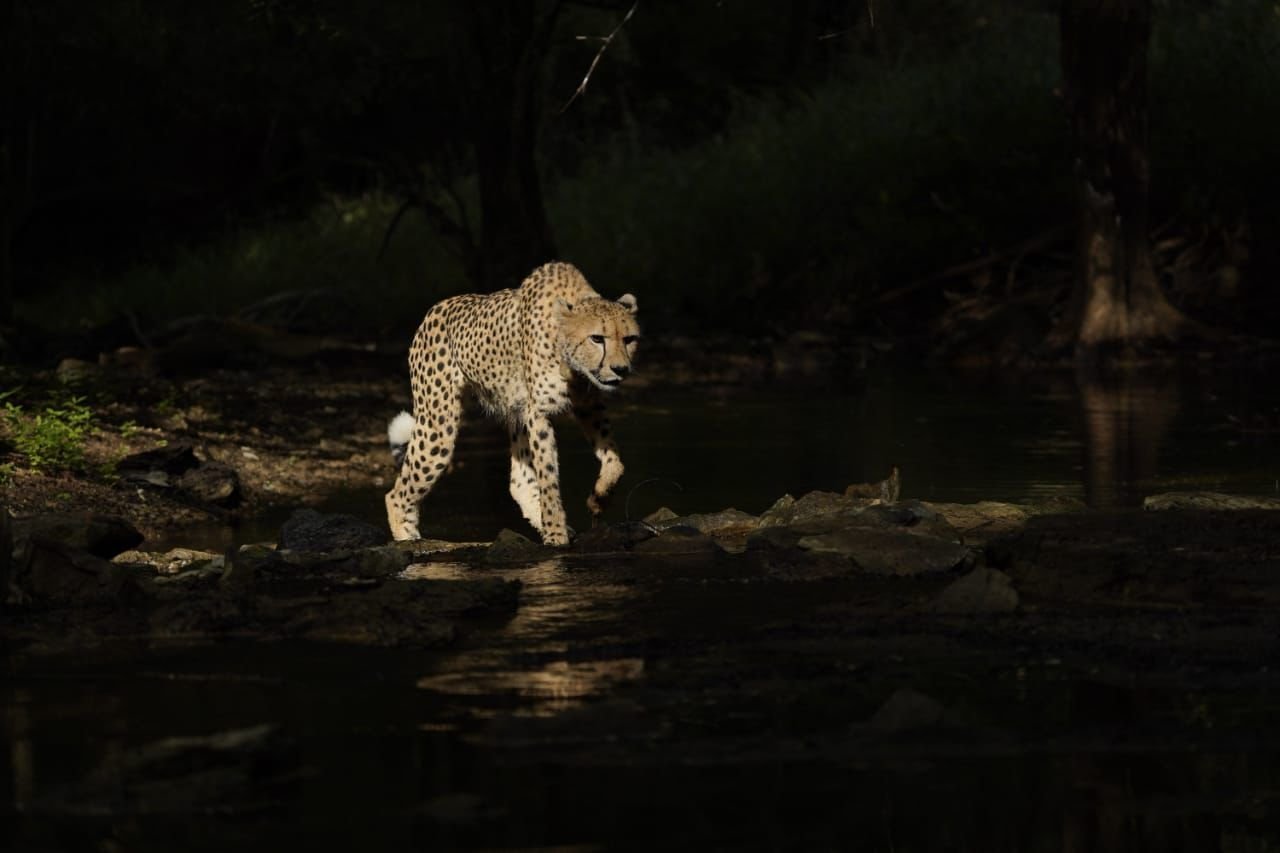
The initiative is rooted in the larger goal of restoring India’s threatened grassland ecosystems. Cheetahs, as top predators, help maintain balanced prey populations, preventing overgrazing and allowing savanna landscapes to regenerate. The project also supports wider biodiversity recovery, serving as a flagship effort to revive other grassland species such as blackbuck, chinkara and Indian hare. Beyond ecological benefits, Project Cheetah positions India as a leader in scientific conservation, showcasing the country’s ability to undertake large-scale carnivore translocation similar to global rewilding programmes.
Another important dimension of the effort is its potential to boost eco-tourism. If cheetahs successfully establish stable populations, Kuno National Park could evolve into a major sustainable tourism destination, creating livelihood opportunities for local communities and generating revenue that can be reinvested in long-term conservation. While challenges remain, as is common in any wildlife reintroduction project, the initiative continues to signal India’s commitment to ecological restoration.
As International Cheetah Day is marked this year, India’s message centres on hope, long-term conservation planning and the acknowledgement of an environmental responsibility decades in the making. Project Cheetah stands not merely as an attempt to reintroduce a lost species, but as an effort to rebuild ecosystems and renew the relationship between humans and the landscapes they inhabit.
Also Read | India Marks International Cheetah Day With Strong Conservation Gains, Says PM Modi