








Rating: ⭐⭐.5
A sincere but uneven war drama, held back by pacing and structure.
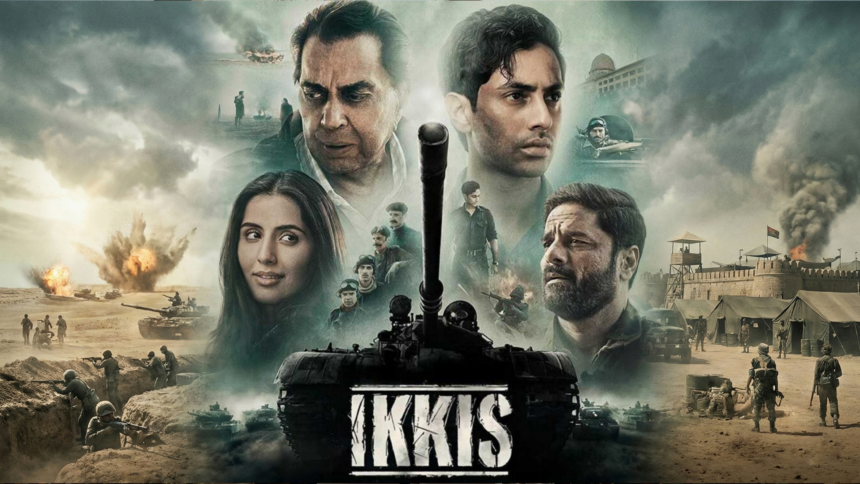
War films often shout to be heard. Ikkis chooses to speak softly. This biographical war drama is a restrained and human approach to the story of Param Vir Chakra awardee 2nd Lt. Arun Khetarpal directed by Sriram Raghavan and produced by Dinesh Vijan under Maddock Films. The final product is a film that might not be completely satisfying in structure, but leaves an emotional impact through its performances and intent.
Set against the backdrop of the 1971 Indo Pak war, Ikkis unfolds through a non linear narrative that becomes most effective in its final stretch. It is not a conventional war spectacle. Instead, it is a reflective film about sorrow, memory, resilience, and unsolved mysteries.
A War Story Told Through Loss and Memory
The film follows Brigadier Madan Lal Khetarpal, played by Dharmendra, as he travels to Lahore, Pakistan. His journey has two deeply personal reasons. One is to reunite with his old friends of school and college days in Sargodha before Partition. The other, and much more painful, is to know why his 21 year old son, 2nd Lt. Arun Khetarpal, preferred to remain in his tank and fight, when he had been ordered to get out of it to save his life in the 1971 war.
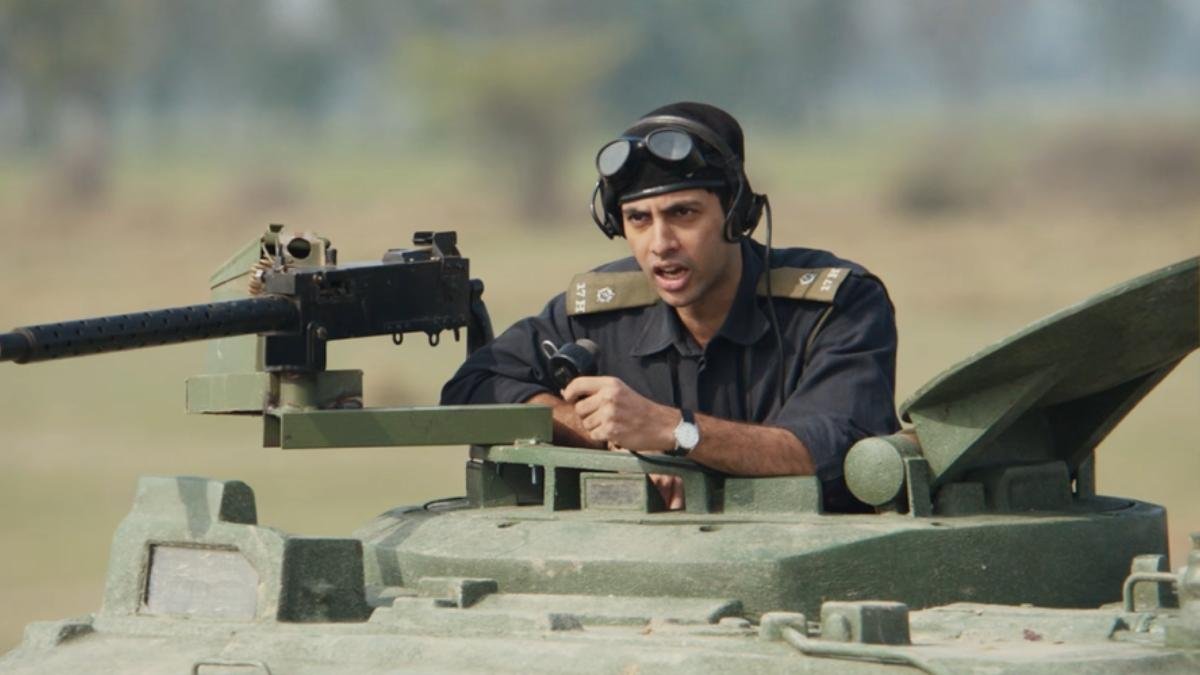
In a cruel twist of fate, Brigadier Khetarpal is hosted by Brigadier Jaan Mohammad Nisaar, portrayed by Jaideep Ahlawat. He is the Pakistani commander whose actions during the war led to Arun’s death. Throughout three days in Lahore, the movie is silent about grief, guilt, and respect of a soldier, as well as the emotional burden of the left behind. Parallel to this introspective journey, the film also shows Arun’s bravery on the battlefield through carefully staged tank war sequences.
What sets Ikkis apart is its refusal to rely on loud nationalism or heavy handed dialogues. It does not make war a spectacle, it makes it a very personal experience.
Performances That Carry the Film
Dharmendra is the emotional backbone of Ikkis. As Brigadier Madan Lal Khetarpal, he portrays grief with dignity and restraint. There are no dramatic outbursts, only silence, pauses, and eyes filled with unspoken pain. His performance is even more touching when you know that it is his very last appearence in a film. He is there throughout and gives the story a grace and gravitas. His emotional scenes are one of the strongest moments of the film, and without too much melodrama, they stick in your head even when the film is over.
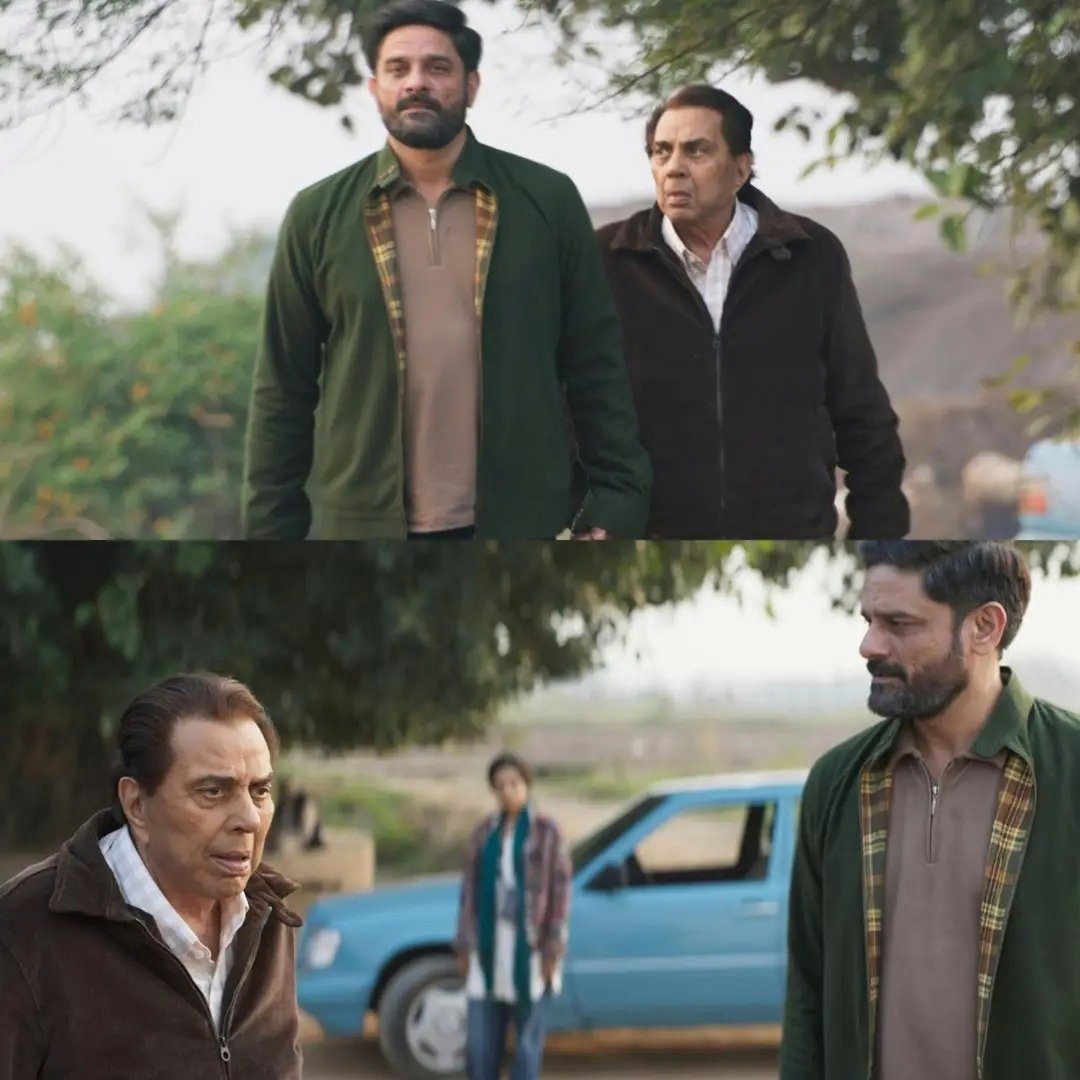
Jaideep Ahlawat again justifies why he is regarded as one of the best actors of his generation. He depicts Brigadier Jaan Mohammad Nisaar with a depth and intensity. The scenes he shares with Dharmendra crackle with emotional depth and unspoken tension. Their interactions are some of the film’s biggest highlights and elevate the overall experience.
Agastya Nanda plays 2nd Lt. Arun Khetarpal with sincerity. His performance shows honesty and effort, and it marks a clear improvement from his debut in The Archies. His body language is not entirely reflective of how tough a battle hardened soldier is, but his devotion can be seen. His voice modulation is also inexperienced at moments. Nevertheless, his work is an indicator of improvement and potential.
The camaraderie among the soldiers adds warmth to the film. These lighter scenes of friendship and mutual jokes add balance to the serious topic and are among the smaller details that help the story to look lived in.
Direction, Music, and Technical Strengths
Sriram Raghavan takes a controlled and thoughtful approach to direction. The movie is more emotional than heroic, a feature that enables the film to breathe. The conversations are plain, but efficient, not attempting to be too patriotic or dramatic.
The cinematography sets the mood beautifully, especially during the Lahore sequences and the battlefield scenes. Tank war scenes, which are not easily explored in Hindi cinema, are fresh and well done. The CGI is well-crafted and contributes to the narration without overwhelming it.
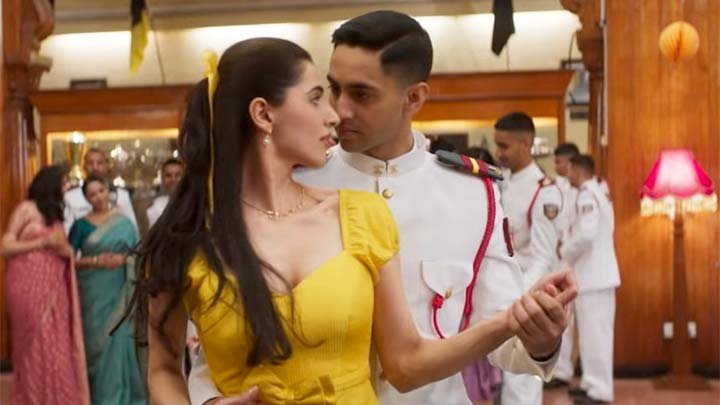
One standout moment is the NDA ball sequence. It captures the innocence and joy of young officers before war changes their lives forever. This scene also brings emotion and depth to the story. The music is pleasant but largely forgettable, except for the song Sajda, which leaves a lasting impression. The songs do not interrupt the flow but do not contribute a lot of weight to the story as well.
What Doesn’t Work?
Despite its strengths, Ikkis is not without flaws. The screenplay could have been tighter. There is a parallel track that runs throughout the film, and it is weak, and it at times breaks the flow. The first part, specifically, is disproportional and sometimes even random, and the film purpose is not always very evident.

The pacing is another issue. While the last 30 minutes are engaging and emotionally rewarding, the film struggles to maintain momentum in the beginning. Some moments feel flat and a fand some scenes are not believable. Some of the supporting characters have been done weakly, which is a contrast to power performance by Dharmendra, Jaideep Ahlawat, and Agastya Nanda.
The romantic track involving Simar and Agastya does not fully land. Their relationship is not consistent in their chemistry, but they do have some heartfelt moments.
Final Verdict
Ikkis is a decent film that could have been better. It is most effective when it slows down and puts emphasis on feelings rather than structure or spectacle. The non linear storytelling comes together beautifully in the climax, making the final act the film’s strongest section.
This is not a war film meant to thrill with constant action. It is about heart, loss, and the quiet courage of a 21 year old soldier who chose duty over life. Ikkis is one of those movies that you walk into the theatres just to know a story, and to see some performances that are an ode to not just the people whose stories are being told, but also to those who star in it. The film doesn’t come without flaws, and it isn’t a very conventional war film, to say the least, but it tries to get there the best it can.
Ikkis makes for a one time watch that stays with you because of its intent and its performances, especially Dharmendra’s poignant and unforgettable farewell, but don’t expect very heavy action, because this one’s about heart.
Also Read | Sunny Deol Gets Emotional After Ikkis Screening, Calls Film a Heartfelt Tribute to Dharmendra