







Bollywood has never been just about songs, stars, and box office. It has echoed the way the Indian society thinks, feels and evolves with time. Some films from the past are remembered with love, while others return to the spotlight because of controversy. Even the scenes that used to seem normal now cause unease, controversy, and even rage. This has prompted a hard question to many viewers. Would these old Bollywood films survive if they released today?
The answer is not simple. There are numerous mainstream movies of the 70s, 80s, 90s, and early 2000s that would be severely criticized in the modern world. The audiences have become more conscious of gender equality, consent, caste, and class, as well as representation. Social media has given people a voice, and silence is no longer the default reaction. But instead of cancelling these films completely, it is important to understand why they were made and what they reveal about their time.
When Cinema Reflected Society Without Question
Earlier Bollywood movies were heavily influenced by the social beliefs of the time. The tales tended to be about men having power, having control of the family and a strict tradition. Women were expected to sacrifice, obey, or wait patiently for approval. At the time, these ideas were rarely questioned on a large scale.
Even such a classic as Mughal-e-Azam is glorified with its size, music, and performances. However, nowadays, the audience observes how little freedom Anarkali has in her life. The powerful men determine her destiny, and her misery is perceived as tragic romance. Previously viewers did not question this. It is only today that people would question why her voice was not a factor.
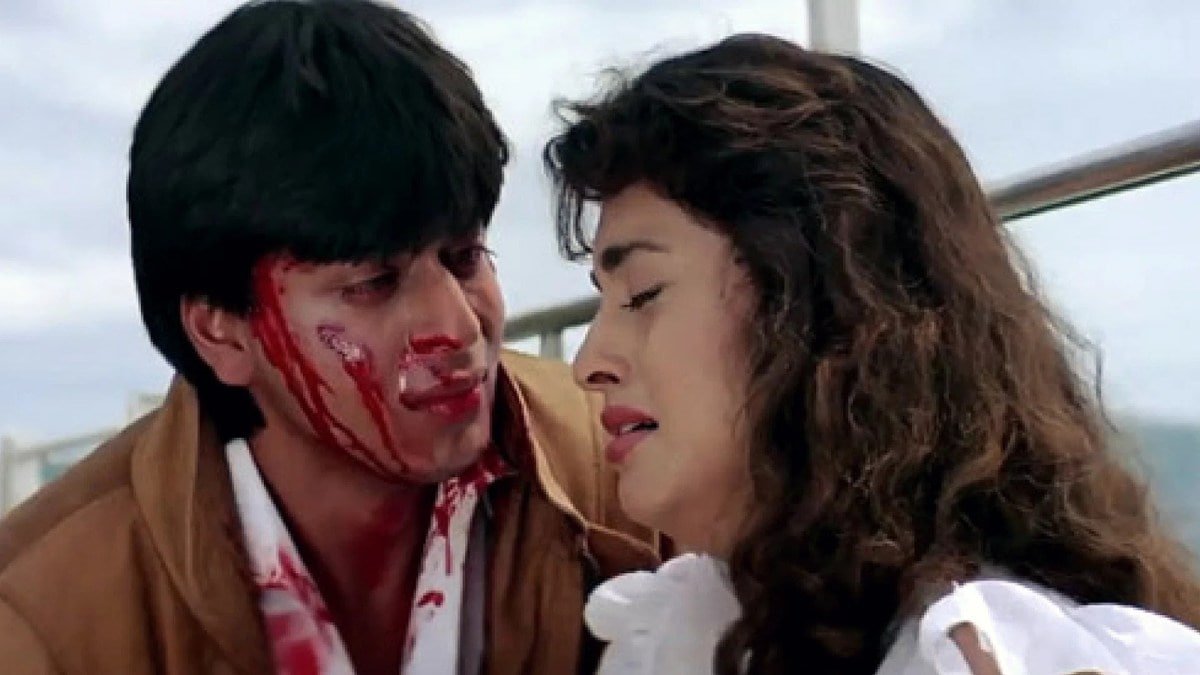
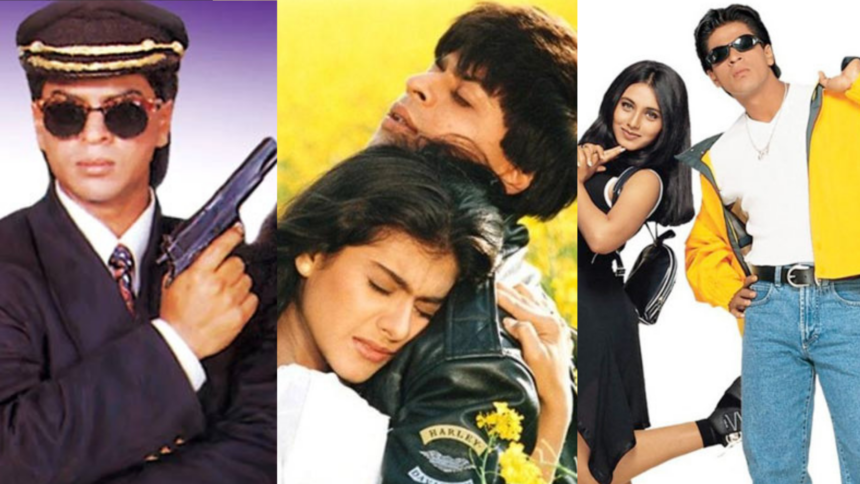
The same shift in thinking applies to 90s cinema. Darr and Baazigar are some of the films that made Shah Rukh Khan a popular anti hero. His characters stalked, threatened, and hurt women, yet the focus stayed on his passion and pain. This was considered to be a bold story telling at the time. Today, this kind of behaviour is criticized as normalising obsession and violence.
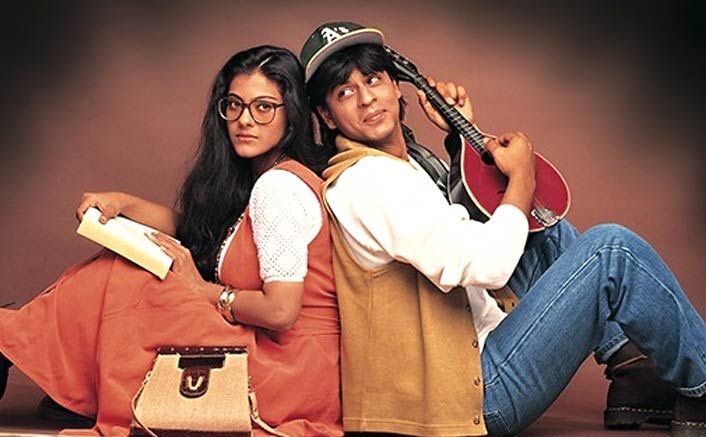
Romantic blockbusters such as Dilwale Dulhania Le Jayenge defined the narration of love stories over decades. Although the movie is still adored, current audiences have highlighted the use of honour, family pressure, and male approval to the point of dominance. Themes of choice and equality were not in the spotlight back then, as they are now.
Why These Films Would Face Outrage Today
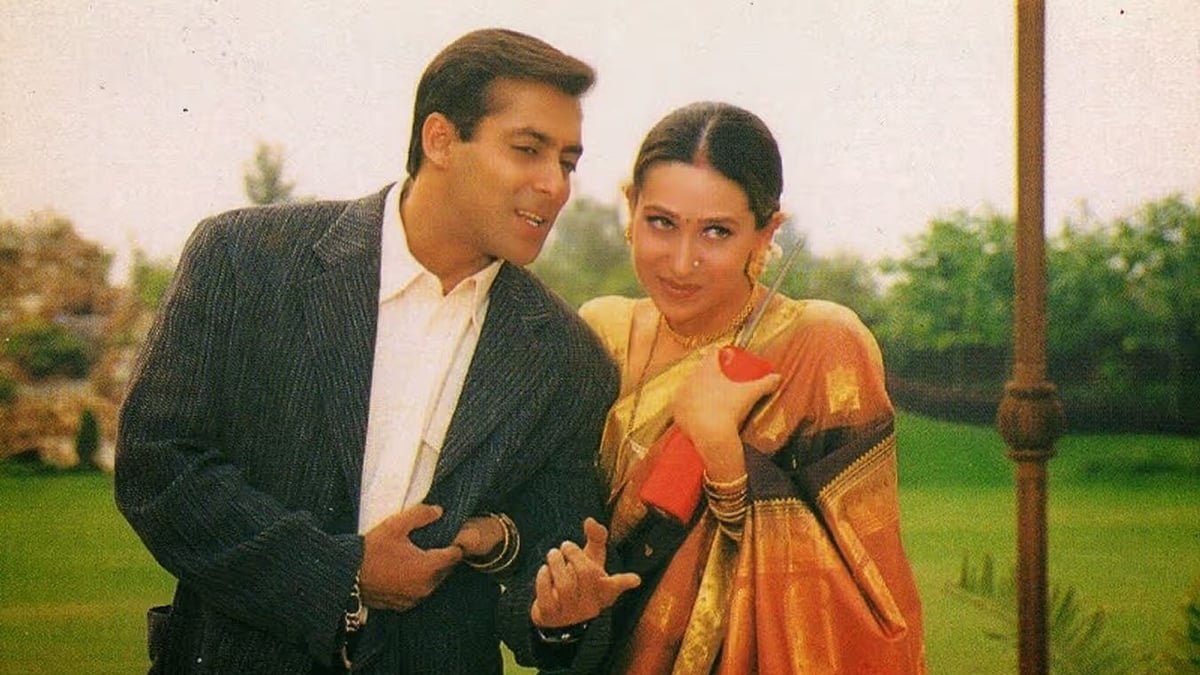
The cultural environment has changed sharply. What was previously considered as entertainment is now scrutinized. Movies such as Raja Hindustani were massive hits in the 90s, but its violent romance would nowadays probably be labelled as toxic. Biwi No. 1 treated infidelity and emotional pain as comedy, something that feels careless in a time when mental health is openly discussed.
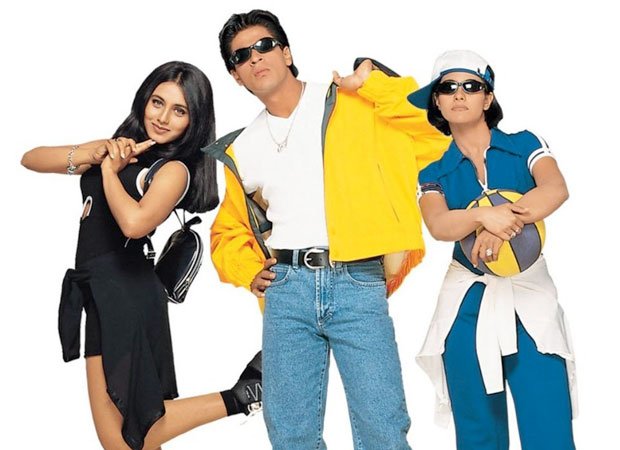
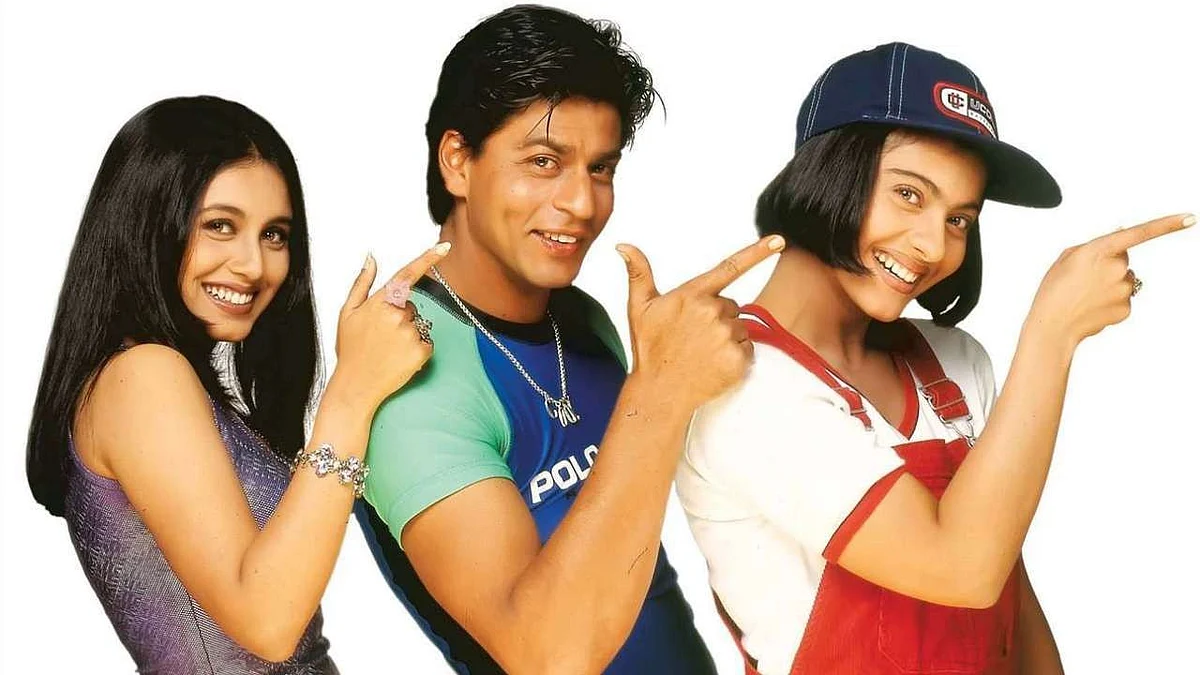
Even softer films like Kuch Kuch Hota Hai face criticism now. The message about how a woman has to alter her looks to be perceived as desirable is not relevant to young viewers. Conventional family dramas such as Hum Aapke Hain Koun also cast their doubts on fixed gender roles.
Even at the time of release, some of the films were controversial. Bombay and Fire was protested on the basis of dealing with sensitive social issues. In the world of present day social media, responses would be quicker and much more vocal. Recent debates around films like Pathaan or The Kerala Story show how intense cultural responses have become.
Why Old Bollywood Controversial Films Still Matter
Despite their flaws, these films are important. They are cultural documents. They reflect what the society embraced, disregarded or glorified at various times. They reveal how ideas about love, power, masculinity, and tradition were shaped.
Watching these films today is not about defending them. It is about understanding them. When audiences criticise old scenes now, it shows growth. It proves that viewers care about fairness and respect. Such awareness did not come out of the blue. It was the result of long discussion and deliberation.
Even today, cinema struggles with similar issues. Films like Kabir Singh and Animal prove that problematic ideas still exist, but the difference is that audiences now respond loudly. That response itself is progress.
Older movies have been exposed to new audiences through streaming platforms that openly challenge them. Film students and critics revisit these stories to learn what was successful and what was not. This dialogue is healthy. It pushes cinema forward instead of freezing it in the past.
Reflect, Not Erase
Therefore, a lot of old Bollywood movies would probably be cancelled in case they were released nowadays. However, forgetting them will be a loss of a significant cultural history. These films help us measure change. They remind us how far society has come and how far it still needs to go.
Real progress does not come from outrage alone. It comes from reflection. Even by watching old films on open eyes, we get to learn how telling stories changes with the society. The magic of Bollywood is not only in its glory years, but in that it can adapt, learn and evolve.
When we look back honestly, we do not weaken cinema. We make it better.
Also Read | Big Stars, Bigger Age Gaps: Why Bollywood’s Most Uncomfortable Romance Trend Is Still Going Strong?