







Bollywood has always celebrated its male superstars as timeless heroes. They will still remain lovers, saviours, and action icons, no matter how old they become. What has not aged well, however, is the industry’s comfort with pairing these men with actresses who are often young enough to be their daughters.
Even in 2025, this pattern remains strong, proving that the industry has not fully moved on from its outdated ideas of romance. Once again this issue has been brought into the limelight by the casting of 59 year old Salman Khan opposite 28 year old Rashmika Mandanna in Sikandar. The 31 year age gap can no longer be silently brushed off by the audiences. It now sparks debate, discomfort, and serious questions about why Bollywood still struggles to imagine age appropriate romance on screen.
Salman Khan and the Spotlight on Unequal Romance
Salman Khan’s career offers some of the most talked about examples of extreme age gaps. During Dabangg 3, a romantic flashback between Salman and Saiee Manjrekar caused eyebrows to be raised since at the time Salman was 54 and Saiee was 18. The film swept the 36 year difference under the carpet as a sweet love story but many viewers also felt that this was strongly uncomfortable.
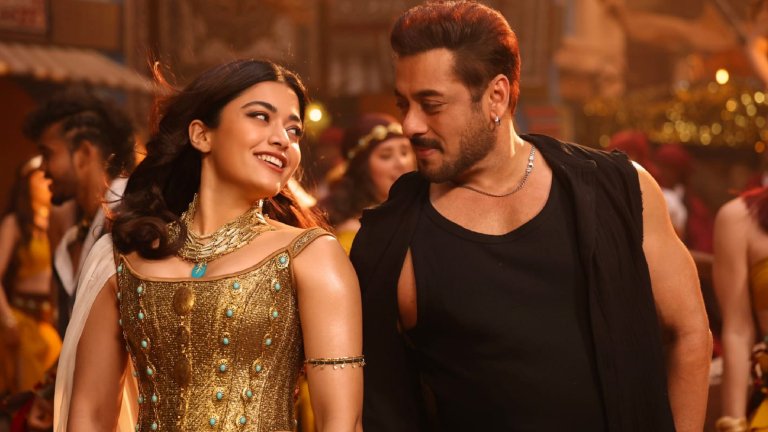
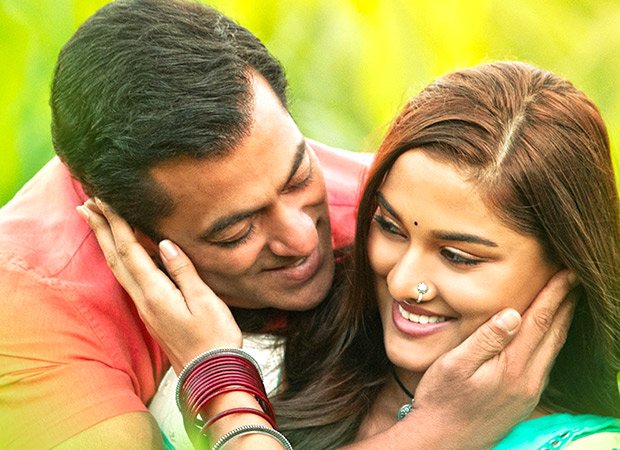
Now, with Sikandar, the debate has returned with even more force. Rashmika Mandanna is a leading actress with strong performances behind her, yet the visual and emotional gap between the two actors is hard to ignore. It is not the actors, but the mentality that still holds that an older hero will always need a much younger heroine to sell romance.
A Pattern That Goes Beyond One Superstar
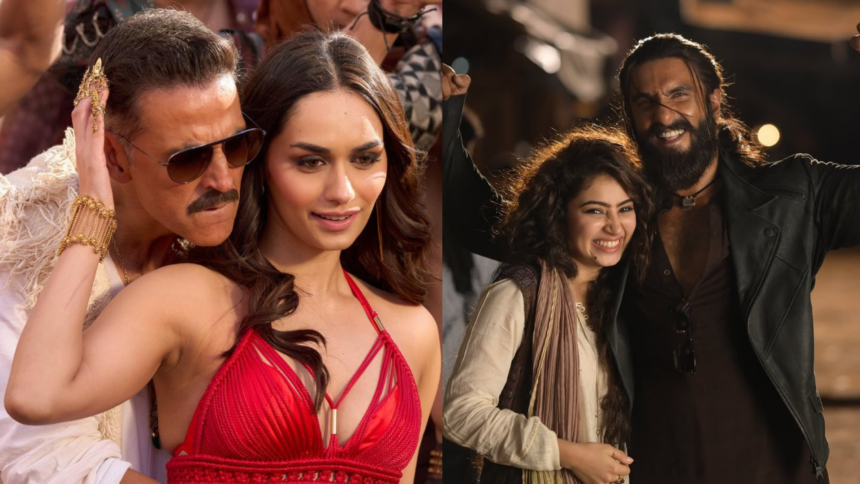
This issue is not limited to Salman Khan. Akshay Kumar’s pairing with Manushi Chhillar in Samrat Prithviraj showed a 30 year age difference, even though the story was set in a historical period where casting could have been more thoughtful. Amitabh Bachchan’s late 90s films like Sooryavansham and Lal Badshah followed the same formula, with actresses nearly half his age playing his romantic interests.
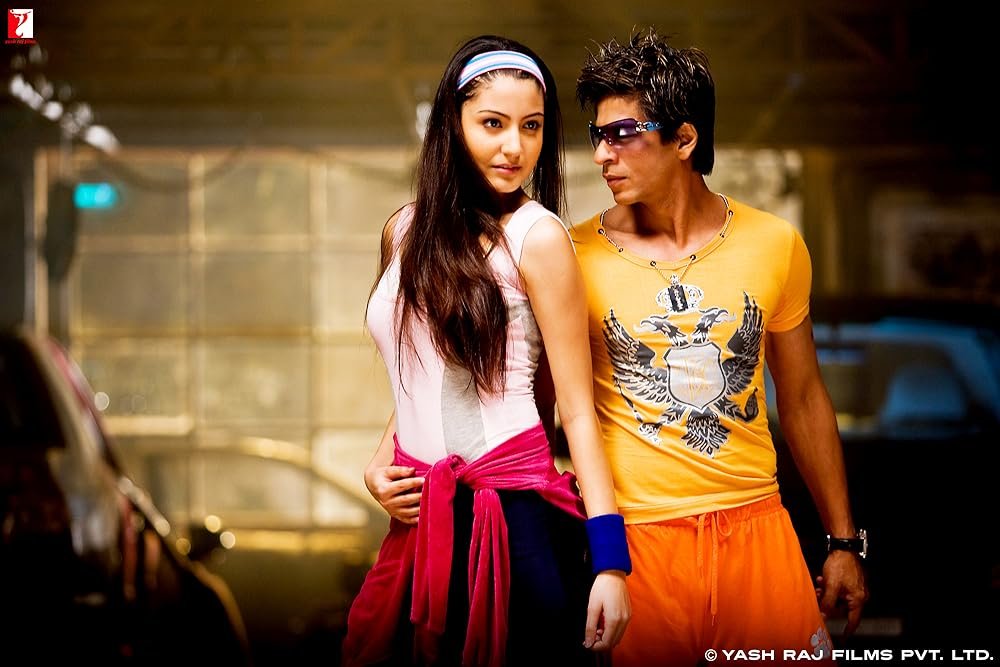


Shah Rukh Khan, the ultimate romantic hero in Bollywood, has not been left behind in this trend. In Rab Ne Bana Di Jodi, he was 43 and Anushka Sharma was only 20 and in Dunki, he was more than 20 years older than Taapsee Pannu. Aamir Khan in Ghajini, Ajay Devgn in Himmatwala, and Nawazuddin Siddiqui in Tiku Weds Sheru all serve to show that it is an industry-wide habit and not a singular decision.
Why Bollywood Still Clings to This Formula
One of the biggest reasons behind this trend is star power. Male actors in Bollywood enjoy long careers where their age rarely affects their position as leading men. Producers see them as safe investments who guarantee box office returns. Actresses, on the other hand, face an unspoken expiry date. As they grow older, romantic roles reduce, and they are often pushed into secondary characters. This brings about a system of constantly introducing younger actresses into the scene, with old actors taking up the romantic space.
The other cause can be the manner in which mainstream film still continues to be written in a predominantly male way, with the heroine more than willing to appear young, fresh, and physically attractive, even more than emotionally realistic.
How This Impacts Women in the Industry
This casting choice has real consequences. It limits opportunities for talented actresses who are in their 40s and 50s and still capable of carrying strong romantic roles. It also sends a problematic message to society that a woman’s value lies in her youth, while men are allowed to age without losing desirability. This influences the perception of relationships in real life, as unequal age relationships become natural and even desirable over time. To viewers, and particularly younger audiences, the absence of realistic romance complicates the emotional appeal of these stories, transforming what are meant to be emotional love stories into embarrassing spectacles.
Rare Exceptions That Only Highlight the Bias
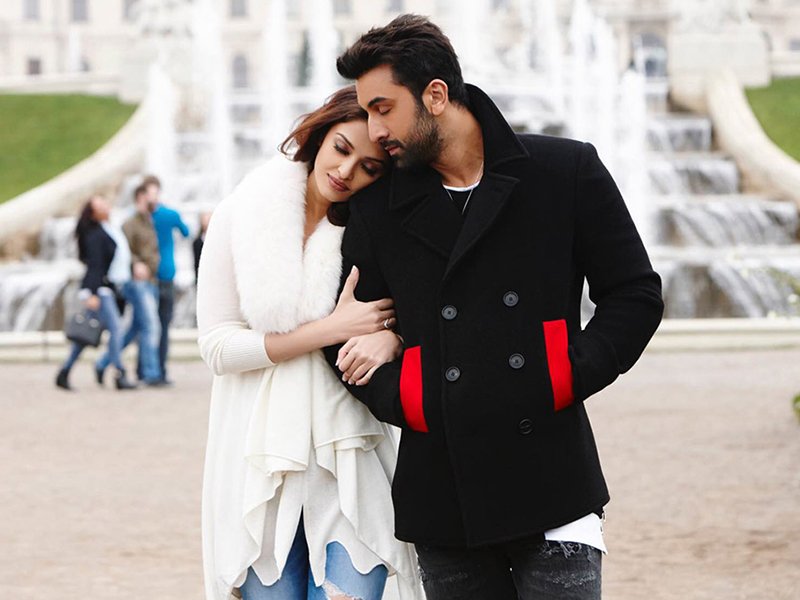

There have been moments when Bollywood has challenged this norm. Other movies such as Ae Dil Hai Mushkil when Aishwarya Rai Bachchan was cast alongside a younger actor Ranbir Kapoor, or Dil Chahta Hai, in which Dimple Kapadia was cast as a mature romantic interest, demonstrated that age was not a factor in love on screen. However, these films are remembered as bold exceptions rather than standard practice. The fact that they still feel unusual only proves how deeply rooted the bias is.
A Changing Audience and an Industry at a Crossroads
Today the audience is much more expressive and conscious. Social media has ensured that an uncomfortable casting option cannot be dismissed and audiences are no longer scared to condemn them. At the same time, web series and streaming platforms have shown that realistic, age appropriate romances can work beautifully when written with honesty. The success of such stories proves that the problem is not audience acceptance, but industry hesitation.
Time for Bollywood to Grow Up
Bollywood does not need to retire its male stars, nor does it need to stop telling love stories. The mainstream cinema can be more realistic and respectful through casting actresses who are more their age, writing stronger female characters, and breaking the outdated notions of romance. Until that happens, every new film featuring a massive age gap will continue to spark debate, not because people enjoy controversy, but because they are tired of seeing the same old story repeated again and again.
Also Read | SS Rajamouli’s Varanasi Targets 2027 Release, Ram Navami Buzz Grows After Powerful New Teaser Hints