






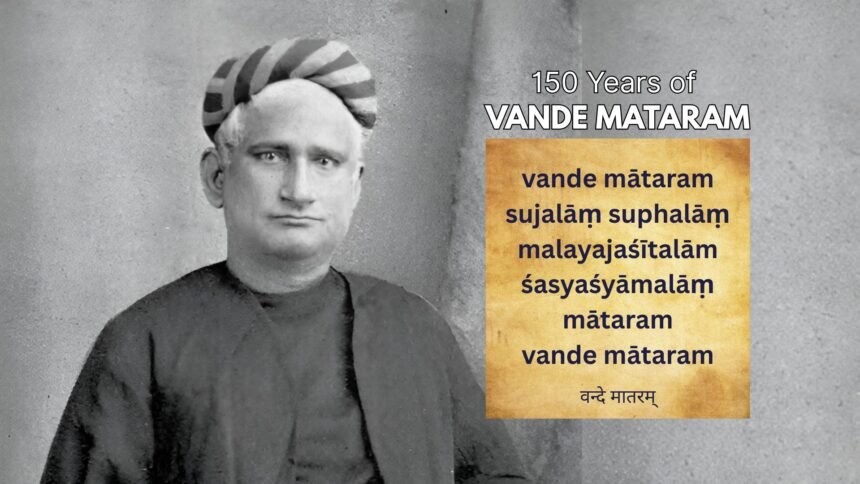
New Delhi, November 7, 2025: Exactly 150 years ago today, sitting by the banks of the Hooghly river, Bankim Chandra Chatterjee penned a song that would become one of the most powerful weapons in India’s fight against British rule. ‘Vande Mataram‘ (Bengali: বন্দে মাতরম্ Bônde Mātôrôm) वन्दे मातरम् the hymn that sent shivers down the spines of millions and made the colonial government tremble.
Across the country today, this historic song’s sesquicentennial is being celebrated with great fanfare. The central government has organized special programs in all states featuring collective singing, exhibitions, and cultural events.
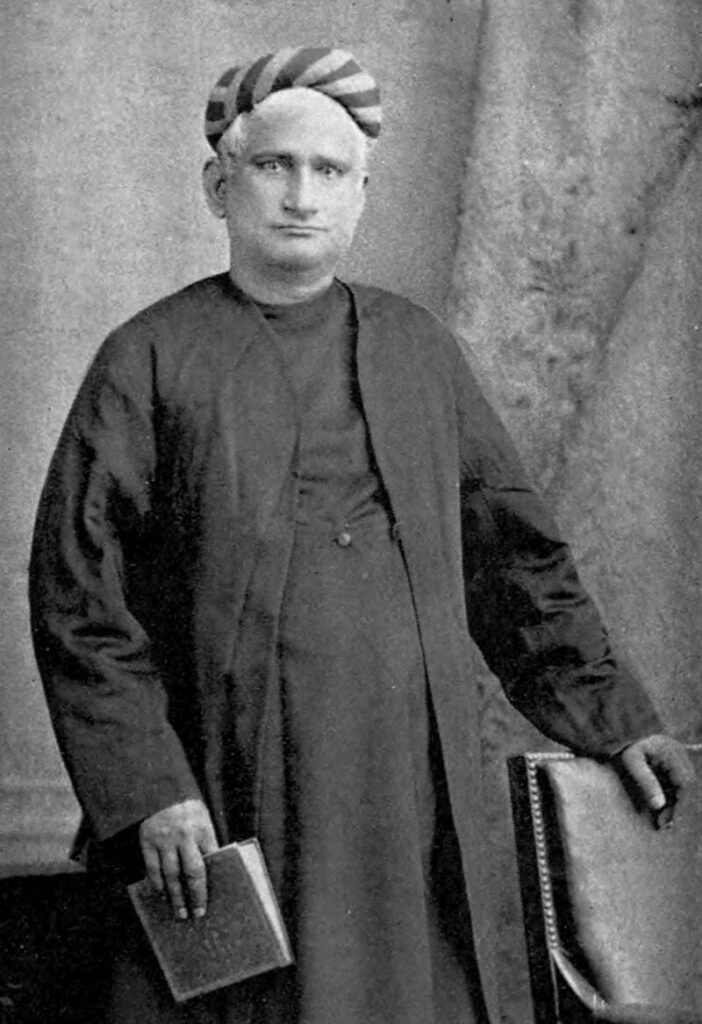
The irony wasn’t lost on anyone the man who wrote this revolutionary song was himself a District Collector serving under the British Raj. In 1875, at Chinsurah, Bankim Babu crafted verses in a blend of Sanskrit and Bengali that were essentially a prayer to Mother India. But being a government officer, he knew that openly publishing such an inflammatory composition could be dangerous. So he played it smart seven years later in 1882, he tucked it away in his novel ‘Anandamath.’ Hidden within a story about the Sanyasi Rebellion, the song slipped past British censors and reached the people.
The real storm broke in 1905. When Bengal was partitioned, ‘Vande Mataram’ thundered forth as a major political slogan for the first time on August 7. During the Swadeshi movement, it became the war cry of revolutionaries. From the streets of Calcutta to prison cells, one refrain echoed everywhere “Vande Mataram!”
The British panicked. They banned the song. Anyone caught singing it landed in jail. But this ban became its greatest strength. Thousands of young patriots would cry “Vande Mataram” before being hauled to prison, and march proudly to the gallows with it on their lips.
Rabindranath Tagore had first sung it at the 1896 Calcutta Congress session, giving it a political platform. After that, it became the heartbeat of the freedom struggle. Even Mahatma Gandhi was a strong supporter. In 1946, he said that a song associated with so much sacrifice simply couldn’t be forgotten.
However, after independence, a new challenge emerged. The later verses mentioned Hindu goddesses like Durga and Lakshmi, which some Muslim leaders objected to. Showing wisdom, the Congress decided in 1937 that only the first two stanzas would be sung verses that are completely secular and simply describe India’s geographical beauty.
The National Song
On January 24, 1950, Dr. Rajendra Prasad announced in the Constituent Assembly that ‘Vande Mataram’ was being accorded the status of National Song, with equal honor to ‘Jana Gana Mana.’ It was a balanced decision equal respect for both, but different occasions for each.
‘Jana Gana Mana’ plays at official ceremonies with strict protocols. Meanwhile, ‘Vande Mataram’ is sung at cultural programs and patriotic gatherings, with no legal restrictions. You don’t have to stand while it’s played, nor follow any other formalities.
Lyrics of the song
| Bengali script | Bengali phonemic transcription | Devanagari script | IAST transliteration |
|---|---|---|---|
| বন্দে মাতরম্৷ সুজলাং সুফলাং মলয়জশীতলাম্ শস্যশ্যামলাং মাতরম্! বন্দে মাতরম্৷ শুভ্র-জ্যোৎস্না পুলকিত-যামিনীম্ ফুল্লকুসুমিত দ্রুমদলশোভিনীম্, সুহাসিনীং সুমধুরভাষিণীম্ সুখদাং বরদাং মাতরম্৷৷ বন্দে মাতরম্৷ | Bônde mātôrôm sujôlāng suphôlāng môlôyôjôshītôlām shôsyô shyāmôlāng mātôrôm bônde mātôrôm shubhrô jyotsnā pulôkitô jāminīm phullô kusumitô drumôdôlôshobhinīm suhāsinīng sumôdhurôbhāshinī sukhôdāng bôrôdāng mātôrôm bônde mātôrôm | वन्दे मातरम्। सुजलाम् सुफलाम् मलयजशीतलाम् शस्यश्यामलाम् मातरम्। वन्दे मातरम्। शुभ्रज्योत्स्नाम् पुलकितयामिनीम् फुल्लकुसुमित द्रुमदलशोभिनीम् सुहासिनीम् सुमधुर भाषिणीम् सुखदाम् वरदाम् मातरम्॥ वन्दे मातरम्। | vande mātaram sujalāṃ suphalāṃ malayajaśītalām śasyaśyāmalāṃ mātaram vande mātaram śubhrajyotsnām pulakitayāminīm phullakusumita drumadalaśobhinīm suhāsinīṃ sumadhura bhāṣhiṇīm sukhadāṃ varadāṃ mātaram vande mātaram |

When this issue came up in Delhi High Court in 2022, the government clarified once again both songs are equal and deserve equal respect.
Today, 150 years later, when someone sings ‘Vande Mataram,’ the same passion, the same pride wells up that those revolutionaries felt. This isn’t just a song it’s the entire story of India’s freedom struggle set to music.
Also Read | Who Is Major Shaitan Singh Bhati, the Param Vir Chakra Hero Whose Bravery Inspired the Film ‘120 Bahadur’