







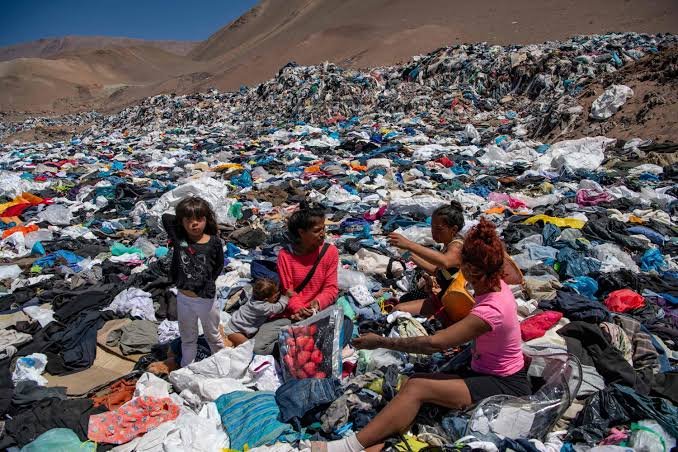
New Delhi, November 16: Fast fashion is one of the fastest growing industries in the world, offering new clothes every week at low prices. These clothes attract consumers who want the latest trends. Behind the colourful displays and cheap offers, experts say fast fashion uses psychological tricks to influence buying behaviour. At the same time, the industry creates large amounts of waste, pollution, and environmental damage.
Fast fashion means making clothes fast, selling them fast, and throwing them away fast. The aim of fast fashion brands is not to produce clothes that last long but to make people buy more and more new clothes.
To increase sales, fast fashion companies use tricks that affect how people think and shop. For example, they display “limited stock” warnings to push customers to buy quickly out of fear of losing the item.
Flash sales trigger the fear of missing out in people. Because the prices are low, they don’t think much and end up buying impulsively.
New trends pop up on social media platforms like Instagram and TikTok, creating social pressure to keep buying new clothes. Trend cycles are intentionally shortened to make old clothes feel outdated.
Influencer marketing takes advantage of the trust people have in influencers. Since influencers seem relatable, friendly, and “just like us,” people believe them more than traditional advertisements.
When a person shops online, they can buy something instantly with just a click. That quick and easy action gives their brain a small hit of dopamine, a chemical that makes them feel happy or rewarded.
Ads often portray buying as self-care or empowerment. Consumers are conditioned to see repeat outfits like a social failure.
But while these tactics keep consumers buying more, the impact doesn’t end at the shopping cart. This constant cycle of production and consumption comes with a huge environmental cost.
Textile dyeing is the second-largest water polluter globally. Toxic dyes enter rivers untreated in manufacturing hubs. Chemicals present in dye kill aquatic life and destroy ecosystem.
A typical pair of jeans uses thousands of litres of water, often ranging between 3,800 litres to 10,000 litres, depending on production methods and the brand.
Cotton is known as the “thirsty crop”. It needs huge amounts of water to grow. In many cotton producing regions, especially in India, Pakistan, and China, farmers depend on underground water because rainfall is not enough. Continuous extraction of groundwater for cotton farming lowers the water table, causing wells to dry up and making water scarce for nearby communities.
Cotton farming uses large amounts of chemical fertilizers and pesticides. When it rains, these chemicals wash off the fields and enter rivers, lakes, and ponds. This creates water pollution, harms fish and aquatic life, and makes the water unsafe for humans. These chemicals can also seep into the soil and contaminate groundwater supplies.
Polyester is a synthetic fibre made from plastic. When polyester fabrics are produced, cut, or washed, tiny plastic particles called microplastics, are released into the environment. Many of these particles travel through drains and waterways and eventually end up in the oceans, where they harm marine animals, enter the food chain, and pollute the water.
In many textile factories, especially in developing countries, treating wastewater is expensive. To save money, factories sometimes dump untreated or partially treated wastewater into nearby water sources. This polluted water often contains toxic dyes, chemicals, bleaches, and heavy metals, causing serious environmental harm and health risks.
Fast fashion may offer cheap clothes and constant new trends, but the hidden costs are far greater than most consumers realise. The industry thrives by encouraging impulsive buying, shortening trend cycles, and manipulating shoppers through psychological tactics. Yet behind every purchase lies a chain of environmental damage, from polluted rivers and shrinking groundwater to toxic chemicals and microplastics entering the oceans. As consumption increases, so does the strain on the planet and the communities living closest to production sites. Reducing the harm requires not only stricter industry regulations but also more conscious choices from consumers. Slowing down fashion is no longer just an option, it is a necessity for protecting both people and the environment.
Also Read | Delhi’s Air Quality Remains ‘Very Poor’ As Temperatures Dip To Season’s Lowest